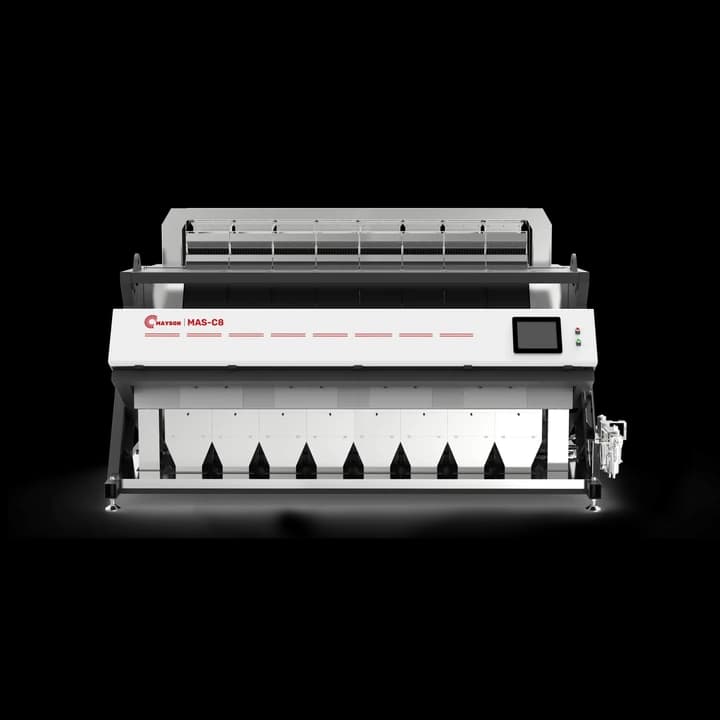
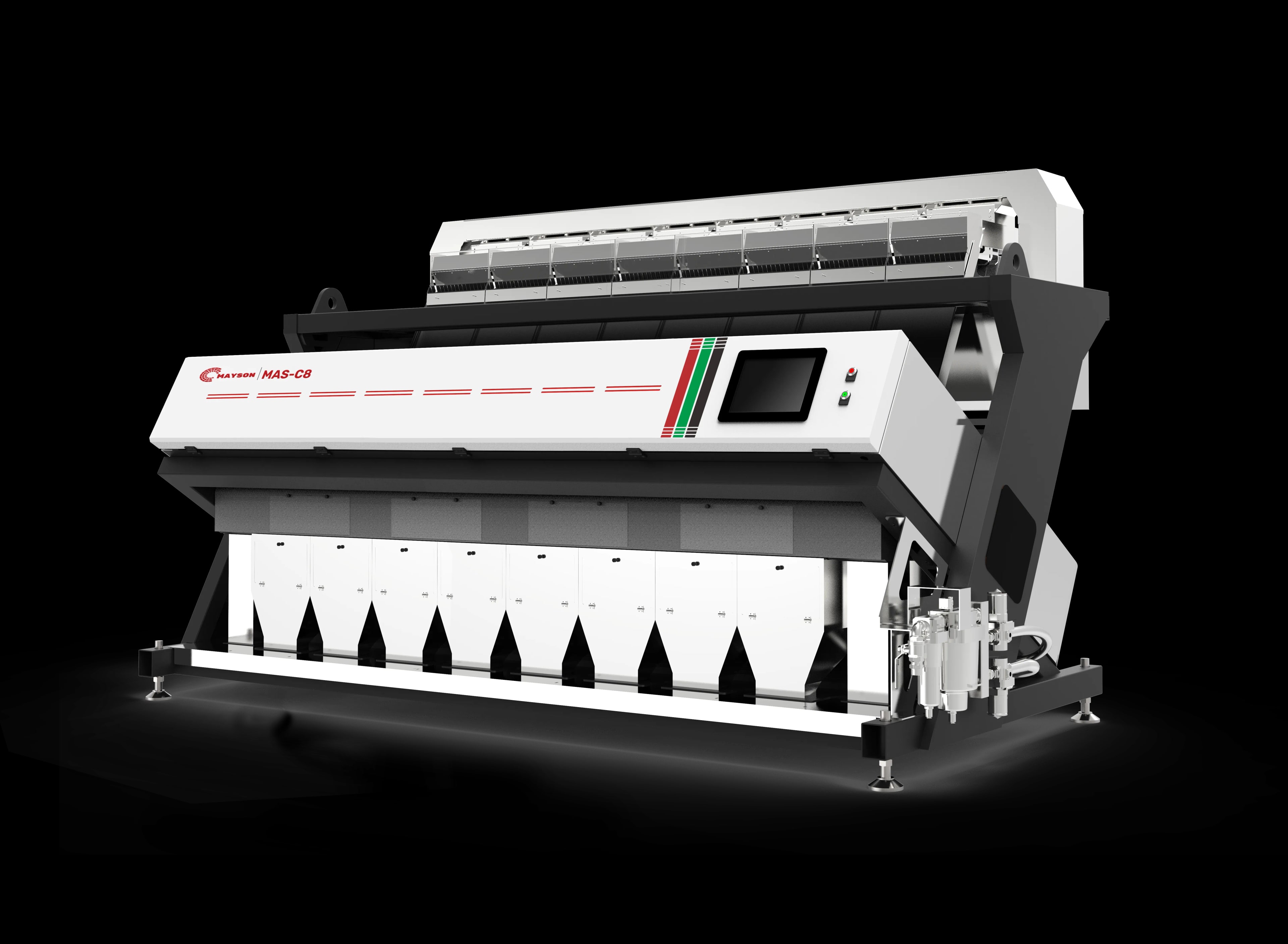
MAS-CCOLOR SORTING SERIES
Precision Flake
Color Sortingfor PET and Rigid Plastics
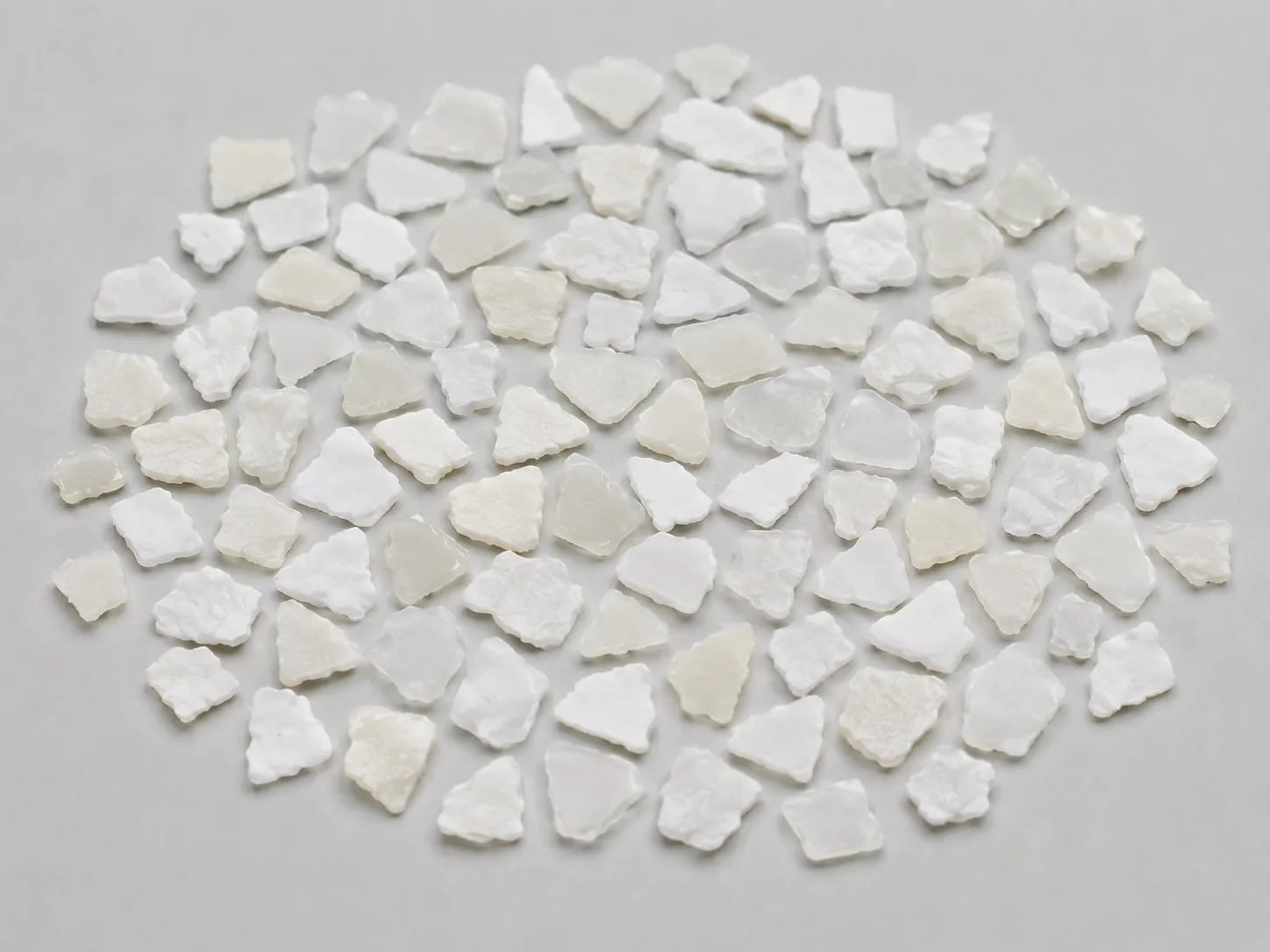
Advanced optical detection and high-speed ejection deliver exceptional color separation for PET and rigid plastic flakes. Purify clear, light-blue, green, and mixed-color streams with outstanding accuracy and stable performance.
Flake Color SortingPET / HDPE / PEClear / Blue / GreenBefore Pelletizing
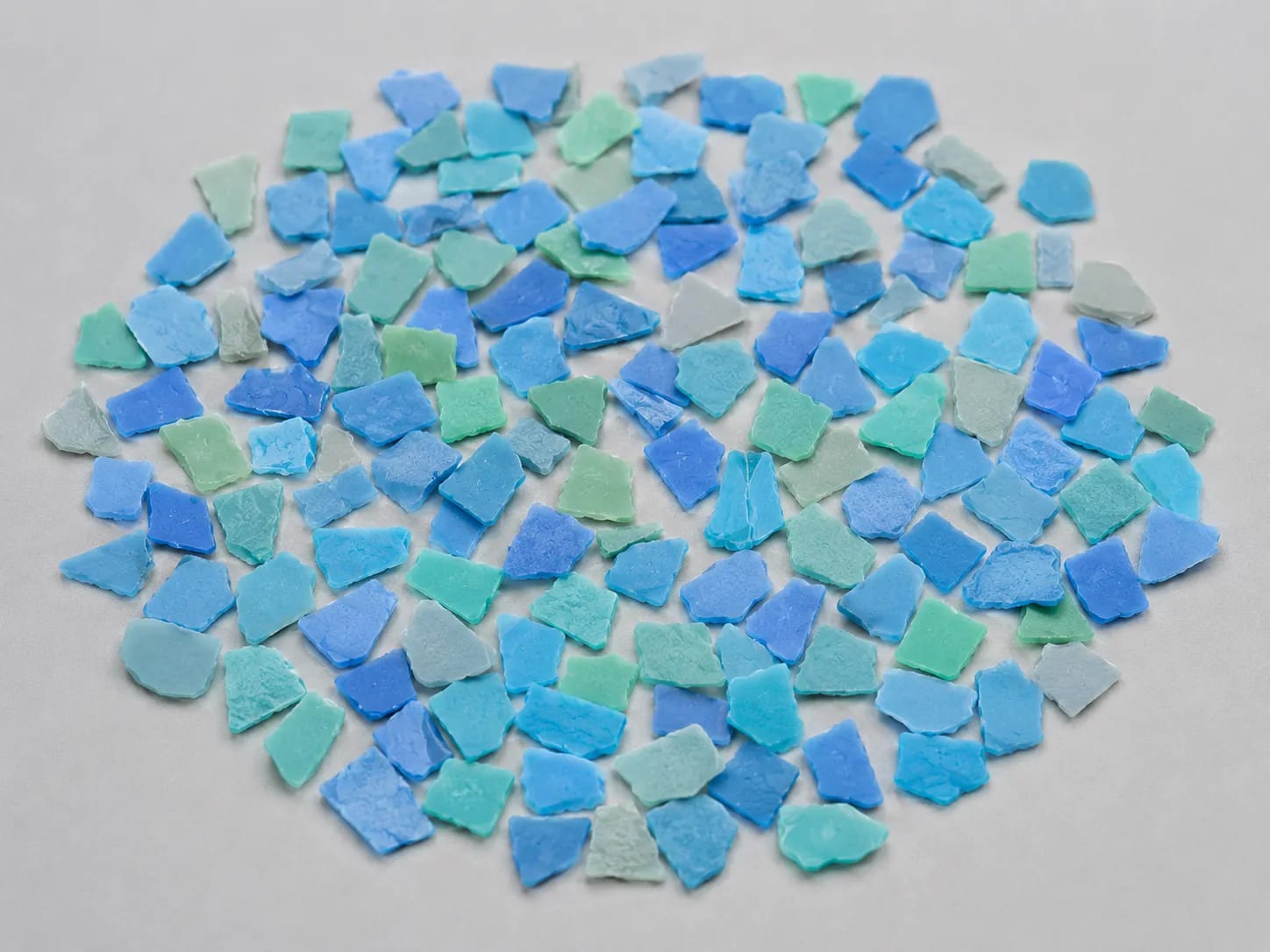
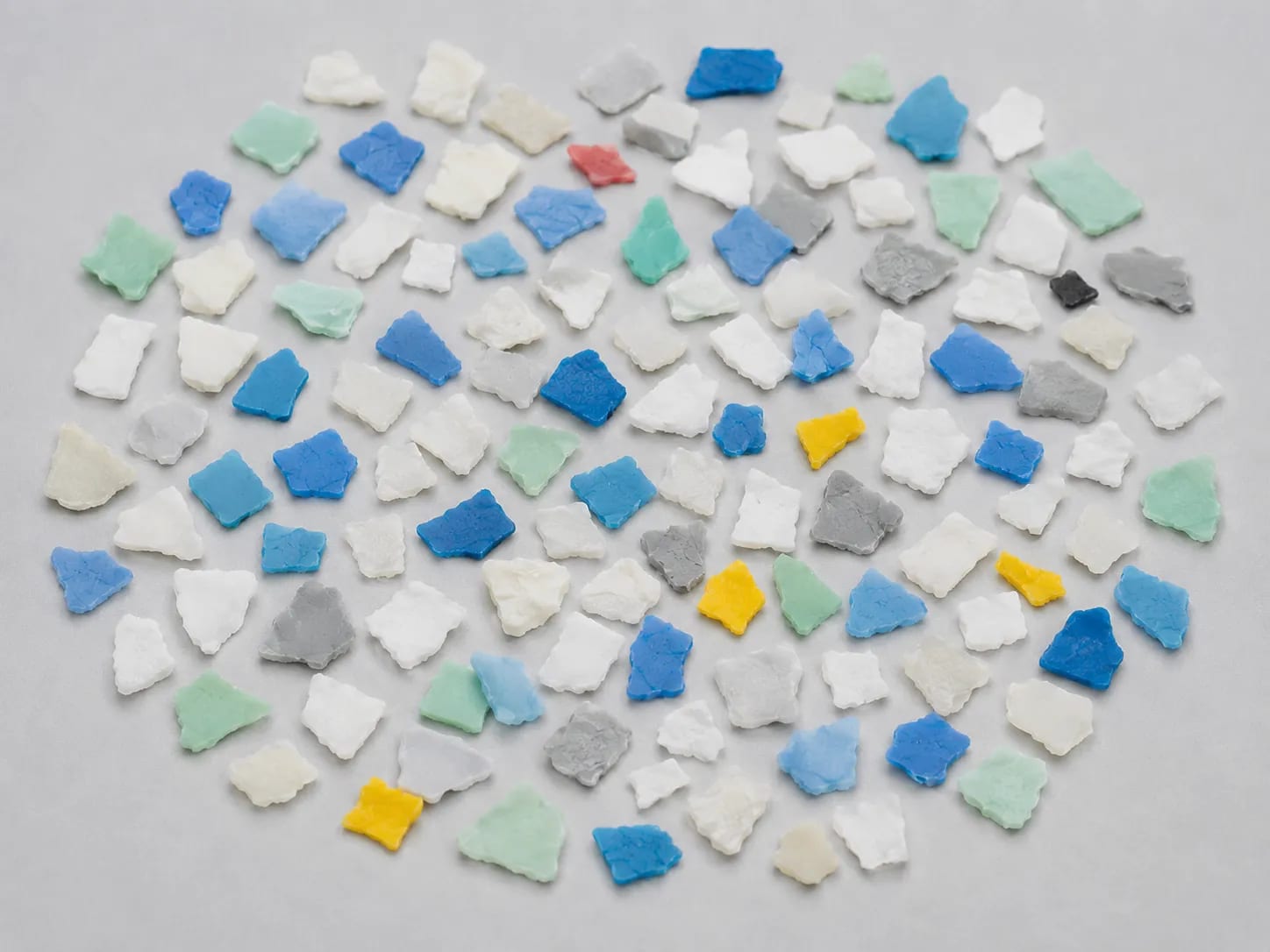
01
Feed
Even flake delivery ensures consistent sorting.
02
Detect
Optical detection reads color, brightness and transparency — not polymer type.
03
Accept / Reject
High-speed ejection delivers clean accepts and accurate rejects.
Why MAS-C
A color sorter built to make recovered plastic worth more.
The Maximum Sorting (MAS) color platform is engineered for flake and rigid-fragment streams where visible color and appearance decide product value.
Advanced color sorting
Precise separation driven by subtle color and shade variation across flakes and rigid fragments.
Cost-effective
Low maintenance keeps the total operating cost down across the machine's working life.
Real-time performance insight
On-board data analytics support process optimization and faster line decisions.
Streamlined operation
A clear, user-friendly interface shortens operator training time.
Energy savings
An energy-efficient design lowers power consumption per tonne sorted.
Compact design
A space-efficient footprint integrates into existing recycling lines.
Main applications
Two color-sorting jobs, one platform.
MAS-C is positioned by the visible sorting target rather than a vague plastic category, so the recipe stays concrete.
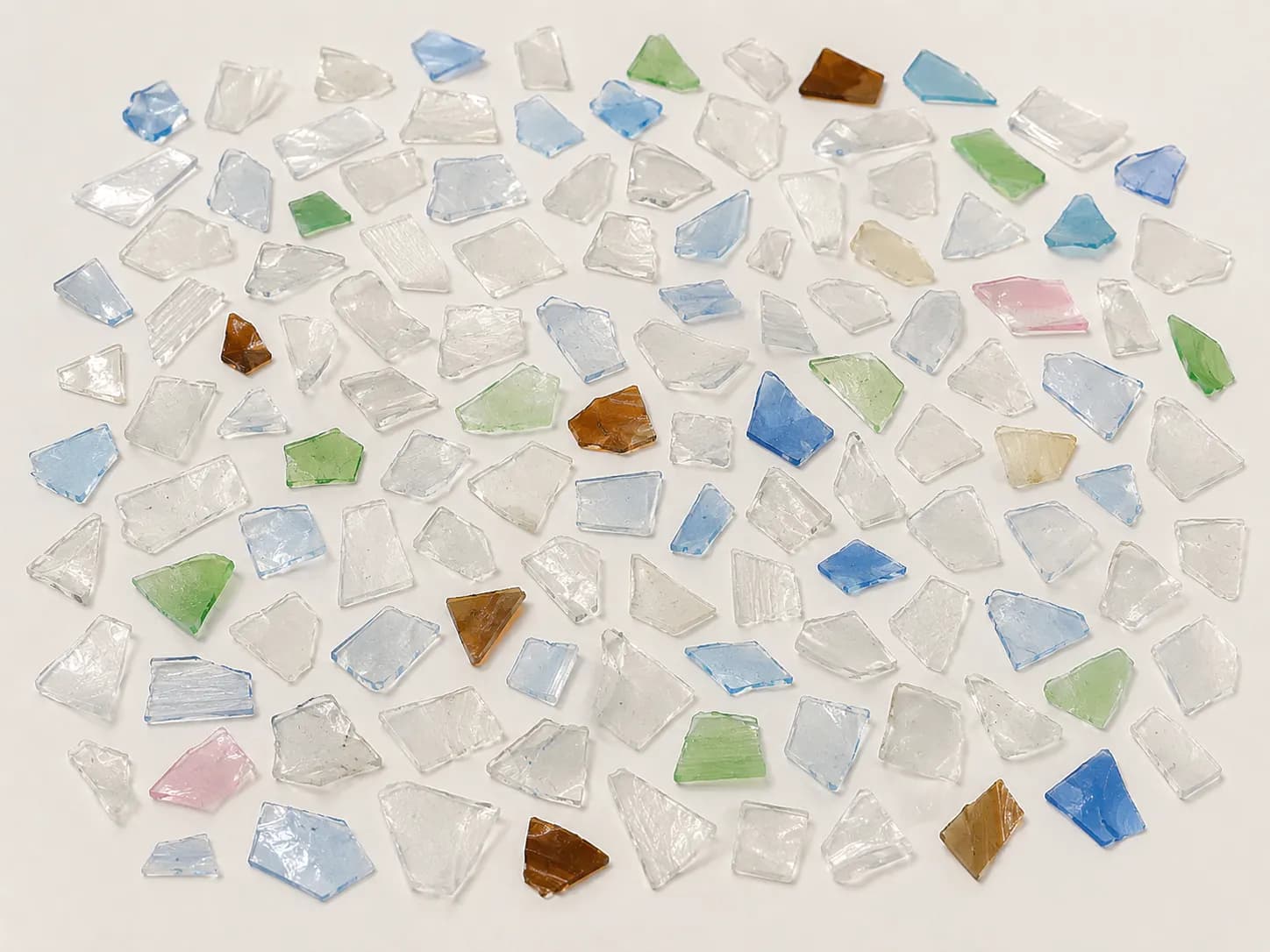
Application 01
General color sorting
Sort single- and double-sided colored plastic flakes, detect and remove opaque and black flakes from multicolored material, and pull black material out of mixtures such as PC alloy and PC / PP / PS / ABS.
Opaque piecesBlack flakesOff-color flakesPC / PS / ABS mixes
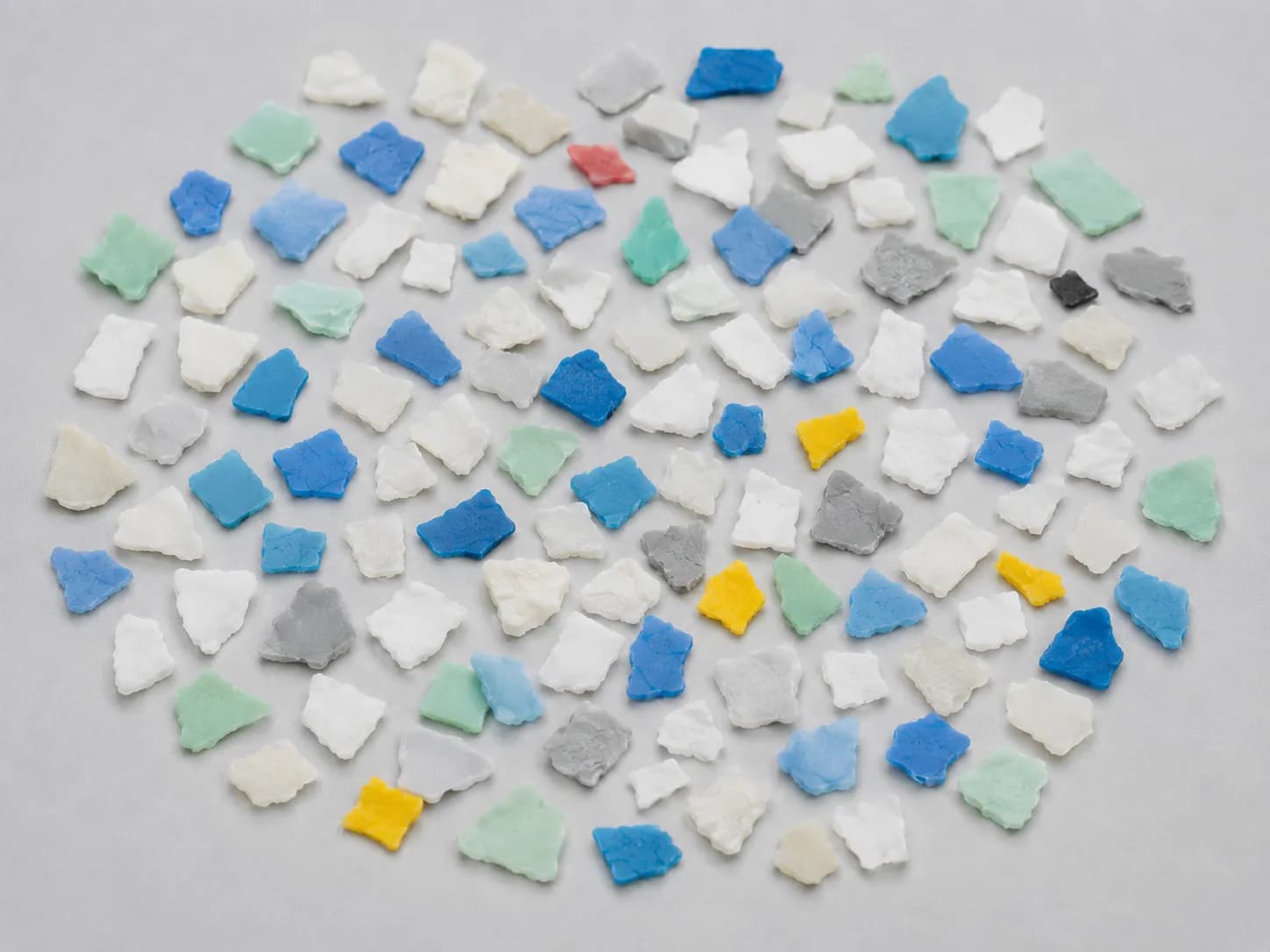
Application 02
Color sorting in PP / PE
Separate red and yellow, blue and green, black, multicolored, transparent and white flakes from PP and PE material to recover clean, single-color fractions.
Red / yellowBlue / greenBlackTransparentWhite
Sorting scope
What MAS-C can and cannot sort.
MAS-C sorts prepared rigid flakes by visible color. Use this scope to check fit before a sample test.
What MAS-C can sort
- PET flakes by visible color — clear, blue, green, amber and mixed color
- PP and PE rigid flakes by visible color
- White flakes with yellowed or off-color contamination
- Black flakes as a visible reject, before NIR material sorting
- Opaque, transparent and off-color rigid plastic fragments
What MAS-C cannot sort
- Whole bottles — sort before shredding with MAS-B
- PET vs PVC by material — use MAS-P (NIR) or MAS 3D
- PP vs PE by material — use MAS 3D (MAS-P Pro)
- Plastic pellets — chute-type limitation — pellets bounce
- Soft plastic film — air ejection is not suitable, even shredded
Black plastic + NIR
Can MAS-C remove black plastic before NIR sorting?
Yes. MAS-C uses visible-light color inspection to identify and reject black plastic flakes as a color class. This is useful before NIR material sorting, because black plastic absorbs NIR light and can interfere with polymer identification. However, removing black flakes by color is not the same as identifying the polymer type of black plastic.
Flake color stream
Mixed color flakes, accepted color range and off-color rejects.
MAS-C is framed around visible color and appearance sorting for prepared flakes or rigid fragments, not whole bottles.
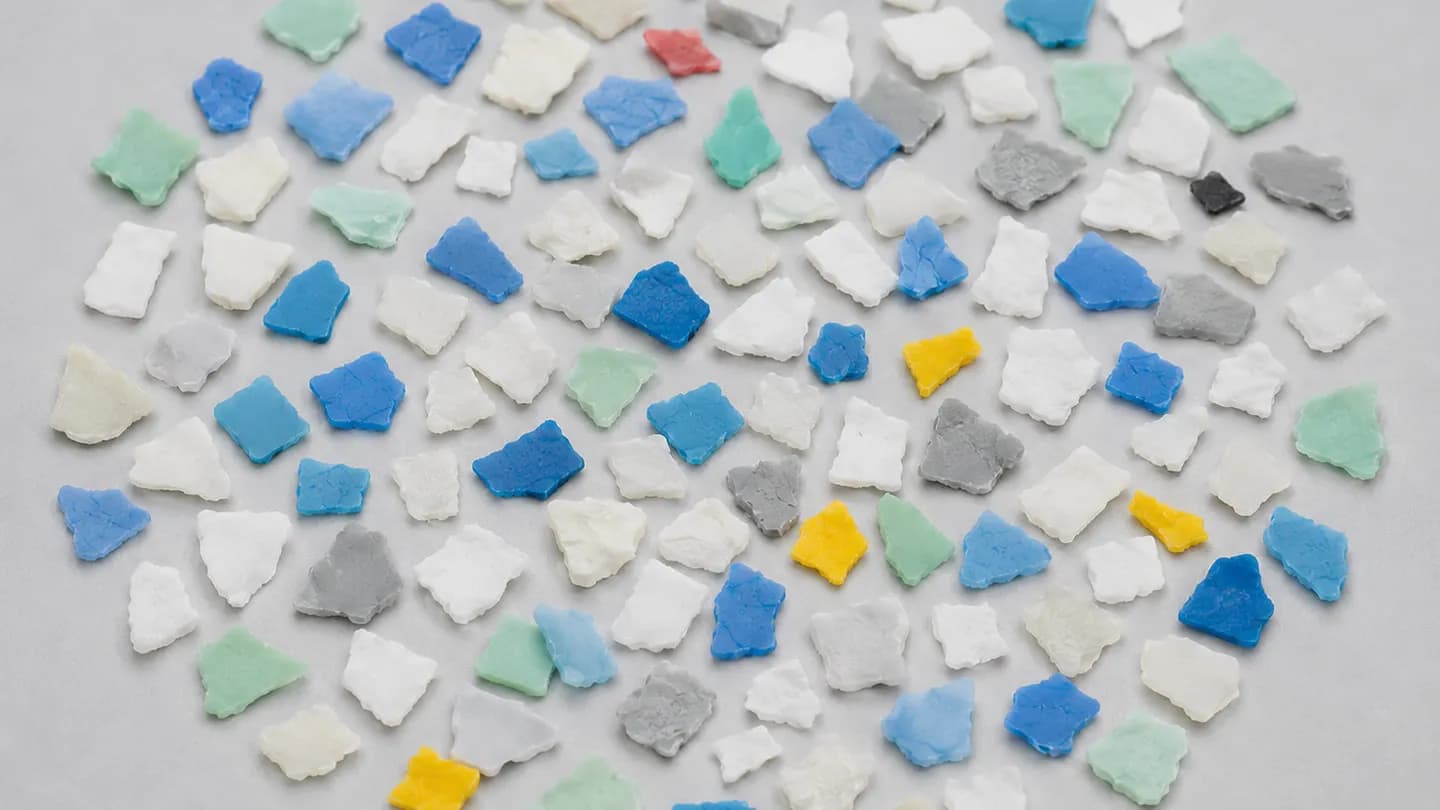
Color boundaries depend on visible contrast, flake size, moisture, lighting, presentation and the selected recipe.
Raw materials
Color classes MAS-C is built to recover.
Switch between material families and click any class to see exactly what enters the machine and what comes out — feed, accepted product, recovered color fractions and reject classes.
Typical color fractions recovered from prepared PET flake streams.
Mixed feed
Clear PET dominates the incoming stream, mixed with blue, green, amber, pink and slightly yellowed pieces. This is the raw flake curtain MAS-C reads before any decision is made.
Accepted and reject classes are always confirmed on your representative samples before a configuration is quoted.
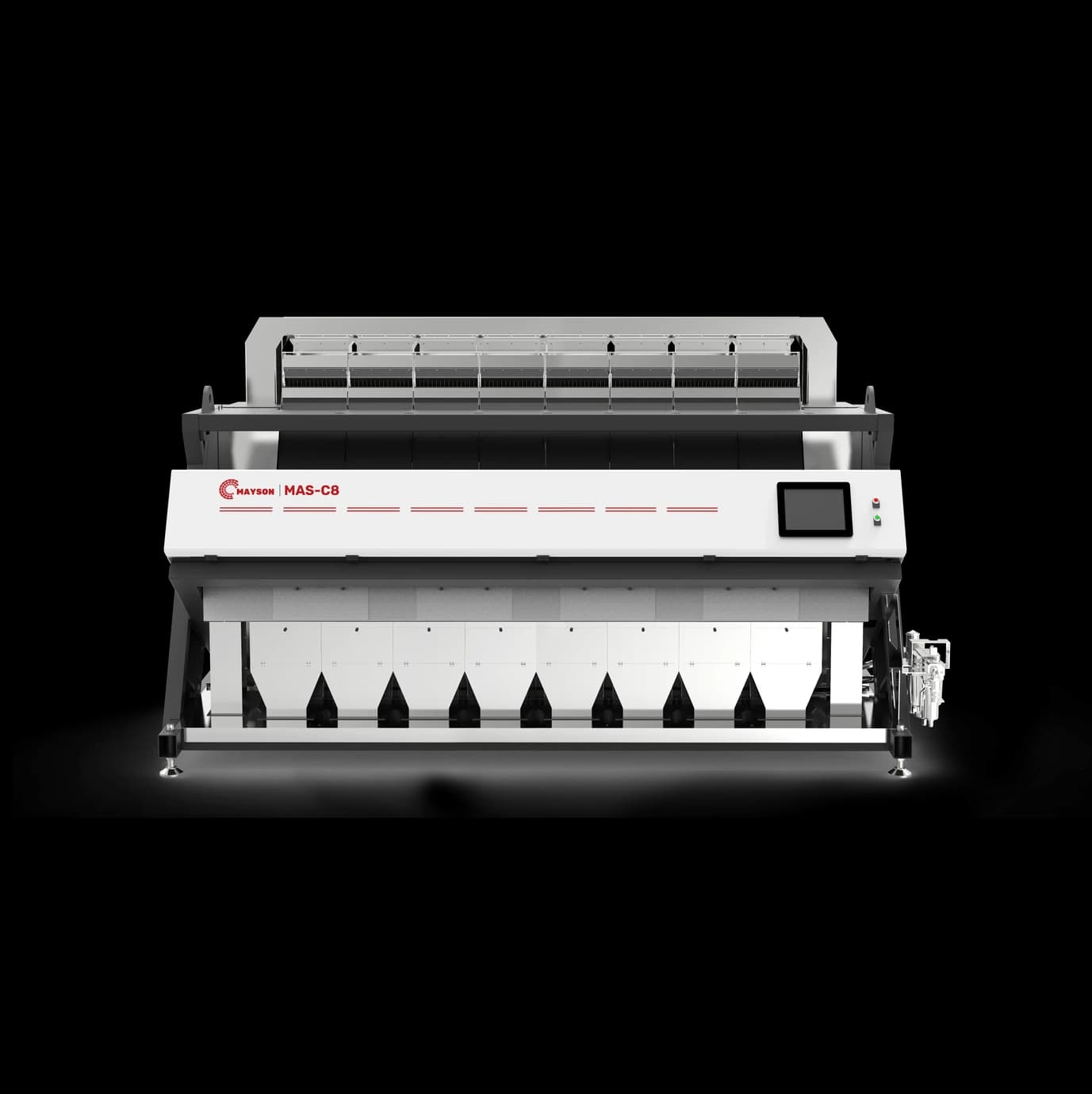
The platform
A dedicated color-sorting platform, not a generic line.
Stable feeding and presentation, controlled visible-light imaging and precisely timed ejection are tuned around prepared flakes so color decisions stay repeatable from the first pass.
C5 – C12Chute configurations (5–12)
5 – 10 T/HTop capacity range
from 3.7 kWInstalled power
1829 mmStandard machine width
How it works
From color sample to reject timing.
MAS-C should be explained as controlled visible inspection and recipe-led ejection for prepared flakes.
- 01Customer-prepared
Feed & stabilize
Prepared flakes are metered by a vibratory feeder and spread into a thin, even curtain so every piece is presented to the cameras the same way. Stable presentation is what makes the color decision repeatable from the first pass.
- 02Controlled lighting
Illuminate & image
Calibrated full-spectrum LED lighting floods the inspection zone while high-resolution cameras capture each flake's color, brightness and transparency — read from both sides so a flake cannot hide its off-color face.
- 03Live recipe
Recognize against the recipe
The processor compares every flake to the accepted color range and the named reject classes from your sample test — clear versus off-color, opaque, black or aged — and makes an accept/reject call in real time.
- 04Air ejection
Time & eject
A fast valve bank fires a precise air pulse the instant an off-spec flake reaches the ejection line, knocking it into the reject channel while accepted flakes fall straight through. Timing is tuned to flake size and chute speed.
- 05Quality check
Verify & re-sort
Accepted and reject streams are checked against your quality target. Tighter targets can run a second pass to lift purity, or route the reject stream to recover a saleable color fraction instead of losing it.
Compare
MAS-C vs MAS-P vs MAS-PC: which sorter do you need?
Match your sorting goal to the right Mayson platform — or compare them all in the buyer's guide. Final configuration is confirmed on a representative sample.
| Your sorting goal | Recommended platform |
|---|---|
| Color sorting for rigid flakes only | MAS-C |
| Remove black flakes before NIR sorting | MAS-Cor MAS-PC |
| PET vs non-PET material separation | MAS-P |
| PET material + color sorting | MAS-PCmaterial + color combination |
| PP / PE / ABS material separation | MAS 3Dadd color via MAS-PC Pro |
| Whole-bottle sorting before shredding | MAS-B |
MAS-C Pro vs MAS-PC Pro — don't confuse them: MAS-C Pro is a color-only Pro build for the hardest color targets (very light shades, single-color purification, slight ABS / PP / PE shade differences). MAS-PC Pro is a different machine that adds multi-spectral material sorting on top of color, for hard polymers such as PP, PE and ABS.
Technical details
MAS-C color sorter specifications.
Chute configurations from C5 to C12 scale from compact lines to high-throughput plants. Figures may vary based on contaminant rate and target classes.
| Module (channels) | Length (mm) | Width (mm) | Height (mm) | Weight (kg) | Power (kW) | Capacity (T/H) | Air (m3/min) |
|---|---|---|---|---|---|---|---|
| C5 | 2348 | 1829 | 1887 | 1300 | 3.7 | 1.8-3.5 | <2.5 |
| C6 | 2663 | 1829 | 1887 | 1450 | 4.4 | 2-4 | <3 |
| C7 | 3293 | 1829 | 1887 | 1600 | 5.2 | 2.8-5.6 | <3.5 |
| C8 | 3293 | 1829 | 1887 | 1700 | 5.9 | 3-6 | <4 |
| C10 | 3923 | 1829 | 1887 | 2050 | 7.3 | 4-8 | <5 |
| C12 | 4033 | 1829 | 1887 | 2250 | 8.7 | 5-10 | <6.5 |
** Figures may vary based on contaminant rate. Final model selection is confirmed on representative samples.
Buyer questions
What buyers ask before specifying a MAS-C.
Straight answers on purity, throughput, what MAS-C can and cannot separate, and how a sample test turns into a quoted configuration.
What can MAS-C sort?
MAS-C color-sorts hard plastic flakes and fragments — PET, PE, PP, PVC, PS, ABS, PC, PMMA and other rigid plastics — separating clear, white, single-color and off-color pieces and removing black. It sorts by visible color and appearance, not by polymer type.
Can MAS-C purify clear (transparent) PET flakes?
Yes. It separates clear PET from blue, green, brown and other off-color flakes, so the high-value transparent fraction meets downstream color requirements. Clear PET is usually the most valuable recycled stream.
Can MAS-C remove yellowed or discolored white plastic?
Yes. With 256-level grayscale recognition it detects subtle yellowing and discoloration, lifting the whiteness of recycled PP, ABS and PE white streams.
Can MAS-C remove black flakes?
Yes. Because it reads visible color, MAS-C ejects black fragments as a color reject — which also makes it a common pre-step before NIR material sorting, since NIR cannot see black plastic.
Can MAS-C identify polymer type, like PET vs PVC?
No — MAS-C sorts by color, and PET and PVC can look identical. To separate polymers or remove PVC hidden in clear PET, use the NIR-based MAS-P, or MAS 3D for harder polymer mixes.
Can MAS-C sort plastic pellets or film?
No. Pellets bounce on the chutes and disrupt reading, and film is too light for air-jet ejection — even after shredding. MAS-C is for hard flakes and rigid fragments only.
What throughput does MAS-C offer?
Roughly 1.8–3.5 t/h on MAS-C5 up to 5–10 t/h on MAS-C12, scaling with channel count (4–10, and a 12-channel option). The exact figure depends on your material and is confirmed on a representative sample.
What is a plastic color sorter?
A plastic color sorter uses visible-light cameras to sort prepared plastic flakes by color, transparency and appearance — keeping the target color fraction and ejecting off-color, opaque or black pieces. MAS-C is Mayson's color sorter for rigid flakes; it does not identify polymer type.
When should I choose MAS-C Pro instead of standard MAS-C?
Choose MAS-C Pro when the color task is unusually hard — extremely light-colored flakes, single-color stream purification, or slight shade differences in ABS, PP or PE (such as separating aged from fresh flakes). It keeps MAS-C's color-only role; it is not a material sorter.
When should I choose MAS-PC or MAS-PC Pro instead of MAS-C?
Choose those when you need material sorting as well as color. MAS-PC adds NIR polymer sorting (PET purification) on top of color; MAS-PC Pro adds multi-spectral sorting of harder polymers such as PP, PE and ABS, plus color. MAS-C alone sorts by color only.
Why does MAS-C need a sample test before a quotation?
Purity and throughput depend on your actual feed — the color mix, flake size, contamination and target classes. A representative sample test defines the accepted and reject color classes and confirms the realistic result, so the quoted configuration matches your stream rather than a generic spec.
Online preview
Preview your flake colors before a machine test.
Use the visual preview to discuss likely accepted and rejected color streams before sending real samples.
Preview material onlineReal sample testing
Use your own flake color targets before finalizing the sorting recipe.
A MAS-C project should start from real feed, accepted color fractions, off-color pieces and borderline material from the line.
Request a MAS-C test