Global SupportTrusted WorldwideInnovative Technology
Material guide
MAS RG Series Rice & Paddy Sorter
For white rice, brown rice, black rice, red rice, parboiled rice, glutinous rice, and long-grain rice streams where visible color, shape, size, surface defects, and foreign material must be defined before configuration.
Rice varietiesVisible defectsShape and sizeFeed / accept / reject
Variety, milling state, origin, storage, and grading target change what counts as acceptable product. The examples below describe possible sorting directions, not fixed machine claims.
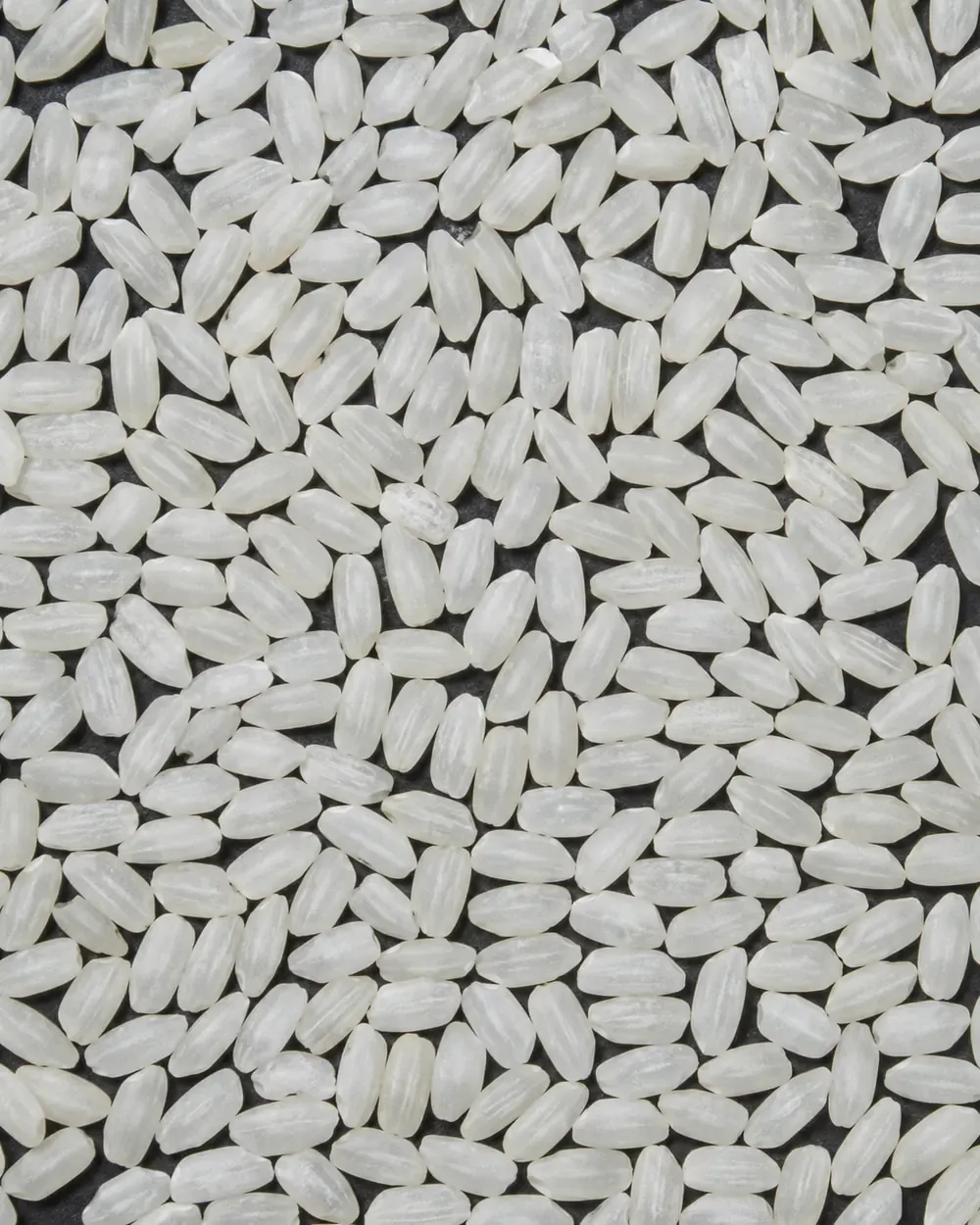
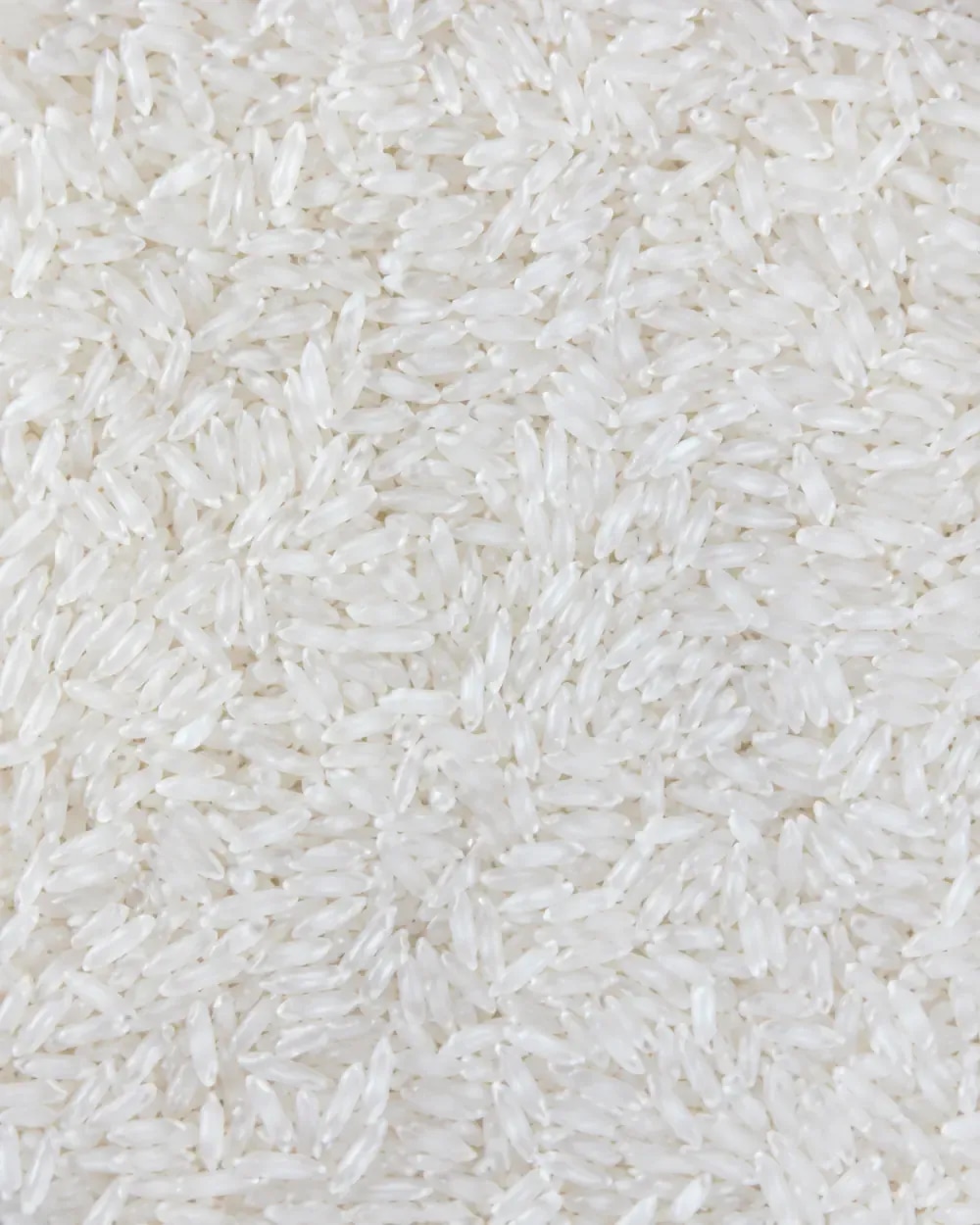
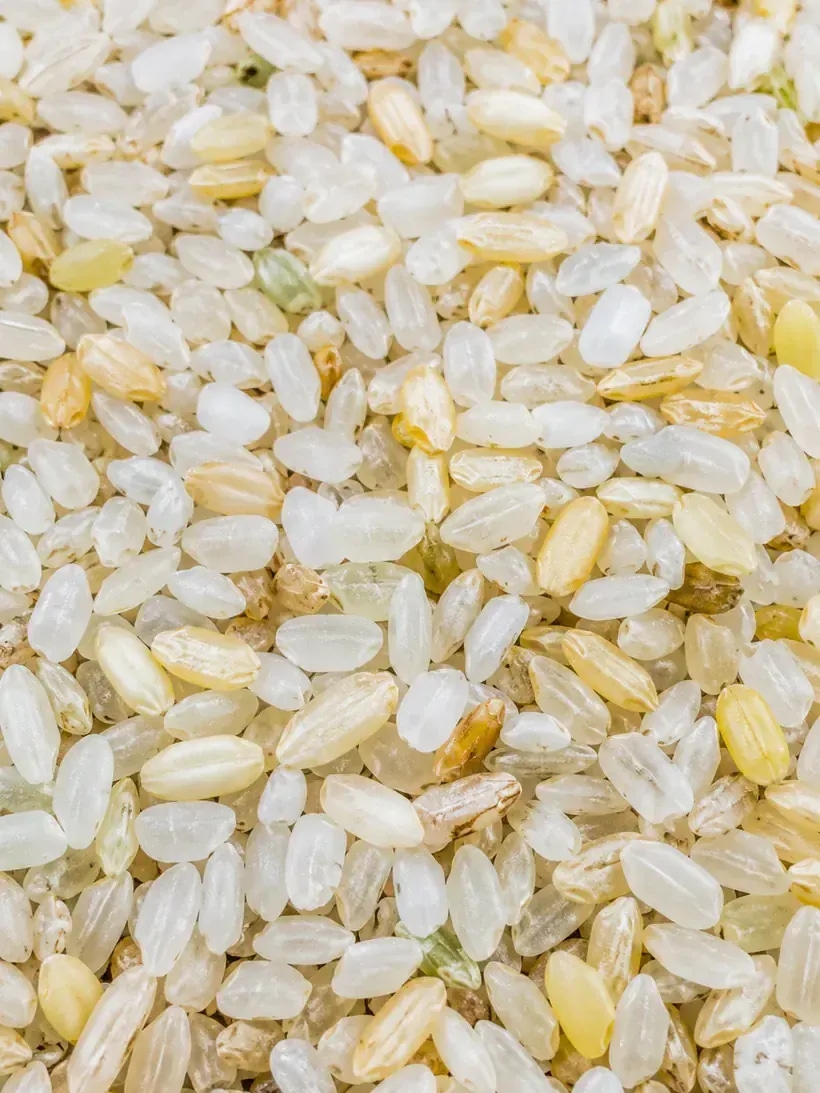
White Rice
Bright milled grains with a narrow accepted color range.
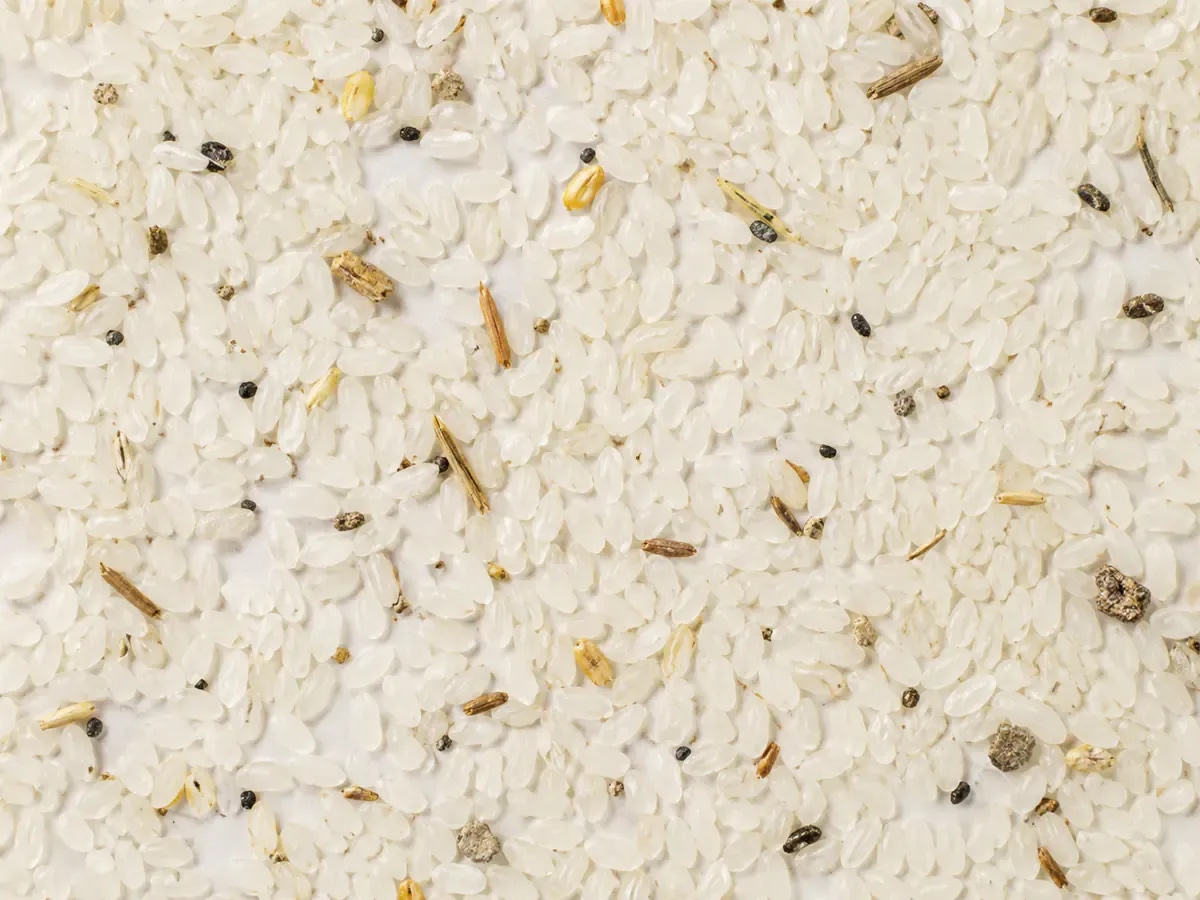
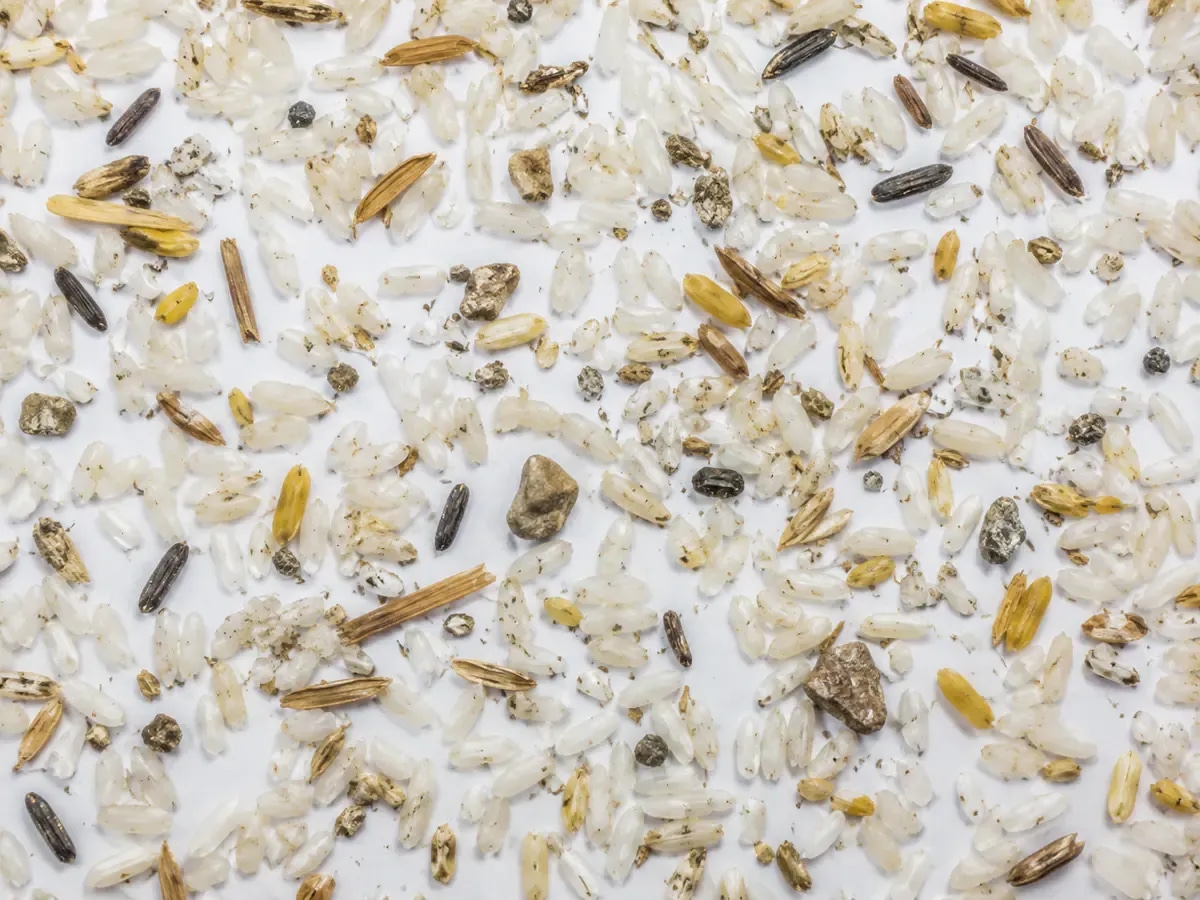
Yellow grains, chalky grains, black specks, broken kernels, and husk fragments can stand out clearly.
Sorting objective
Support a cleaner accepted stream by separating visible discoloration, chalkiness, broken pieces, and foreign material.
Evaluation note
Potential application subject to material evaluation.
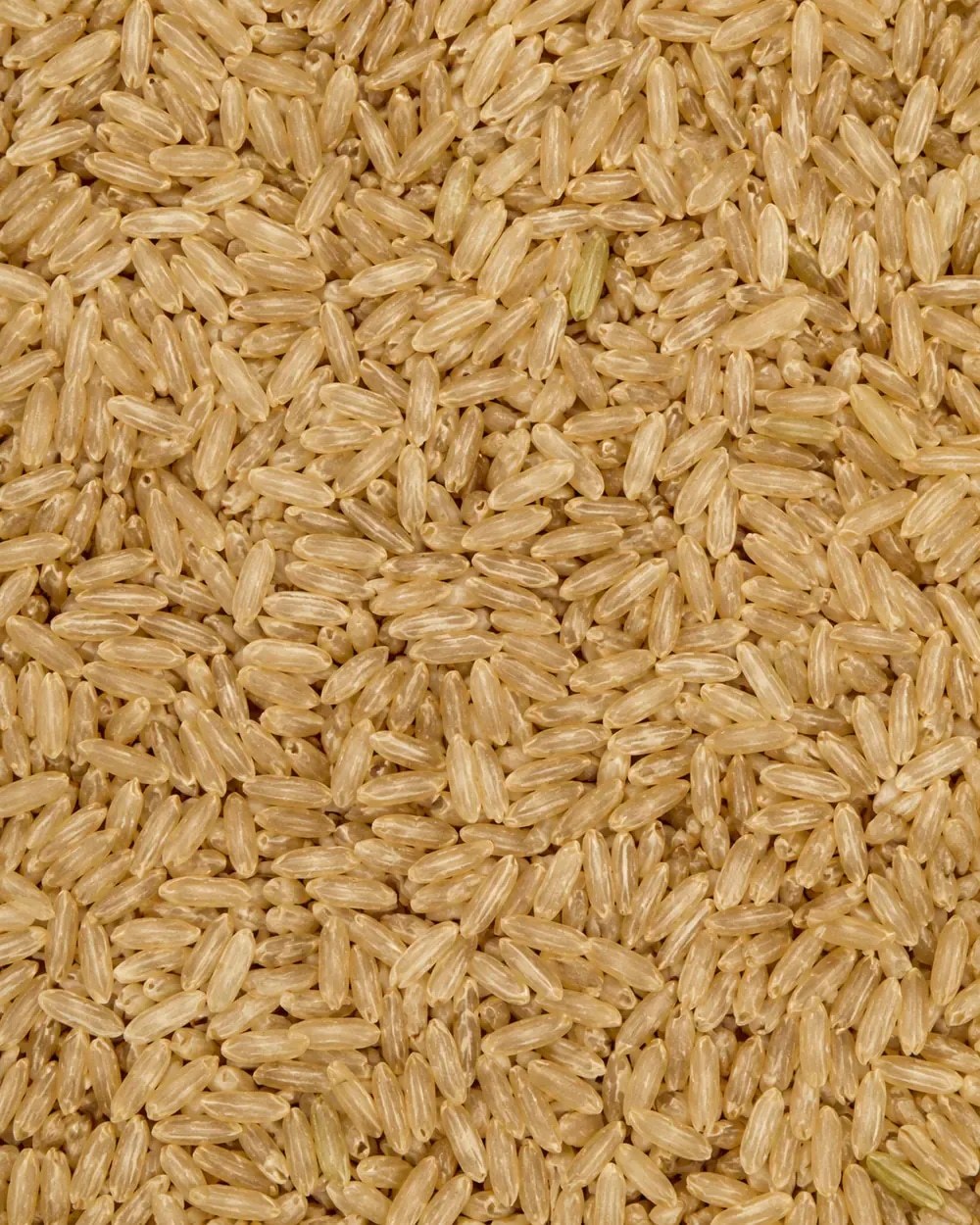
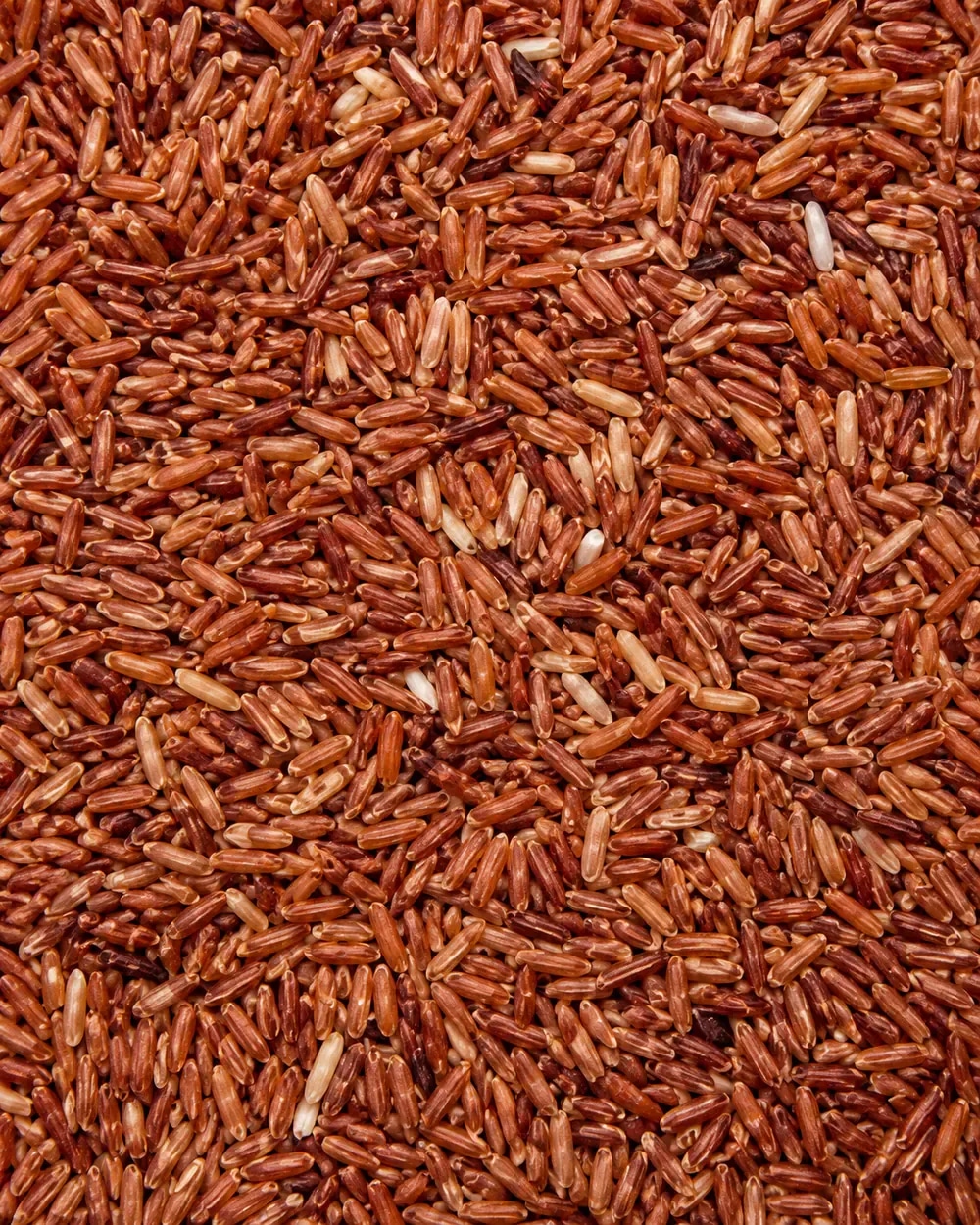
Brown Rice
Tan bran layer with natural color variation that may still be acceptable.
Define the accepted brown-rice tone before rejecting visible off-color grains or foreign material.Potential application subject to material evaluation.
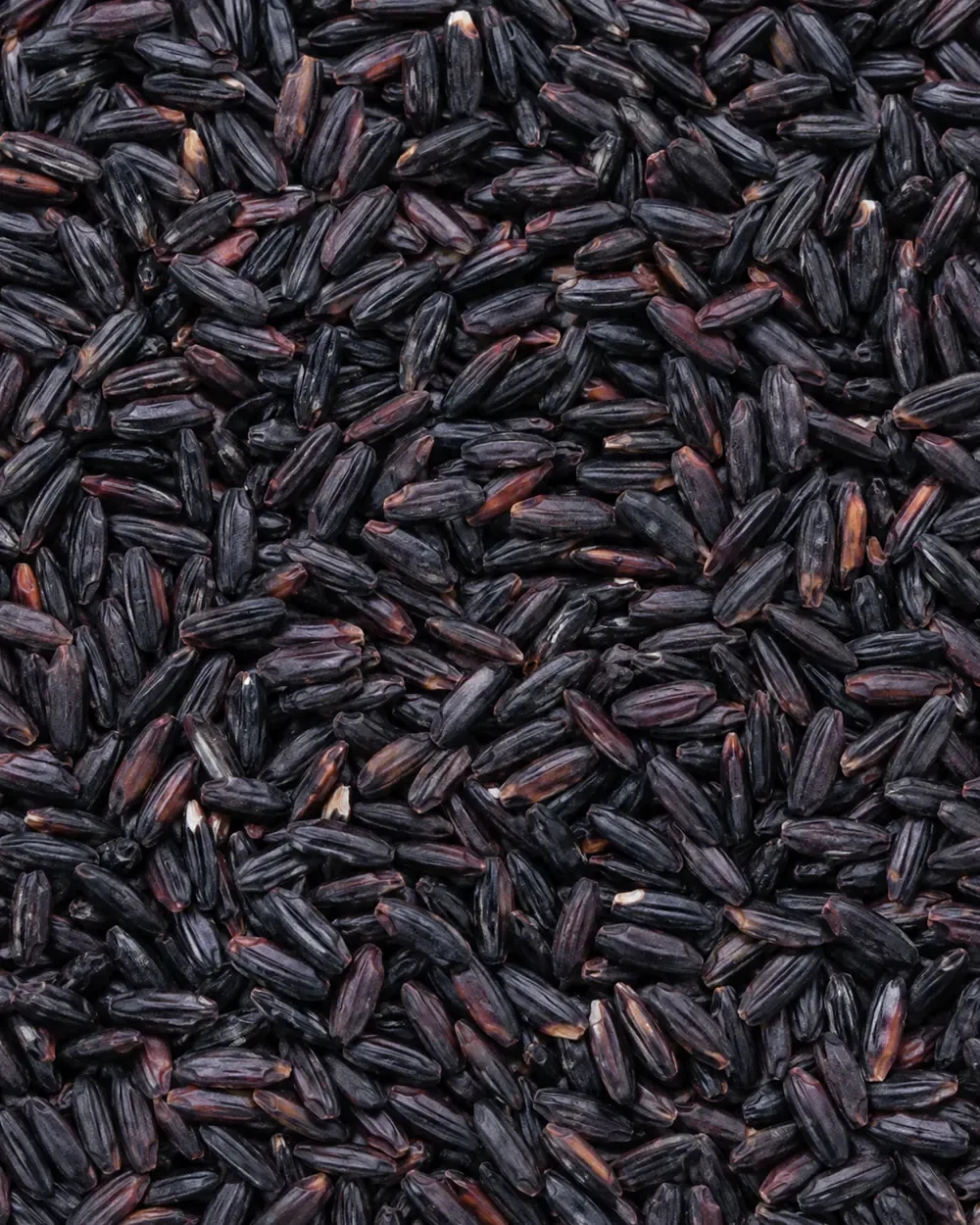
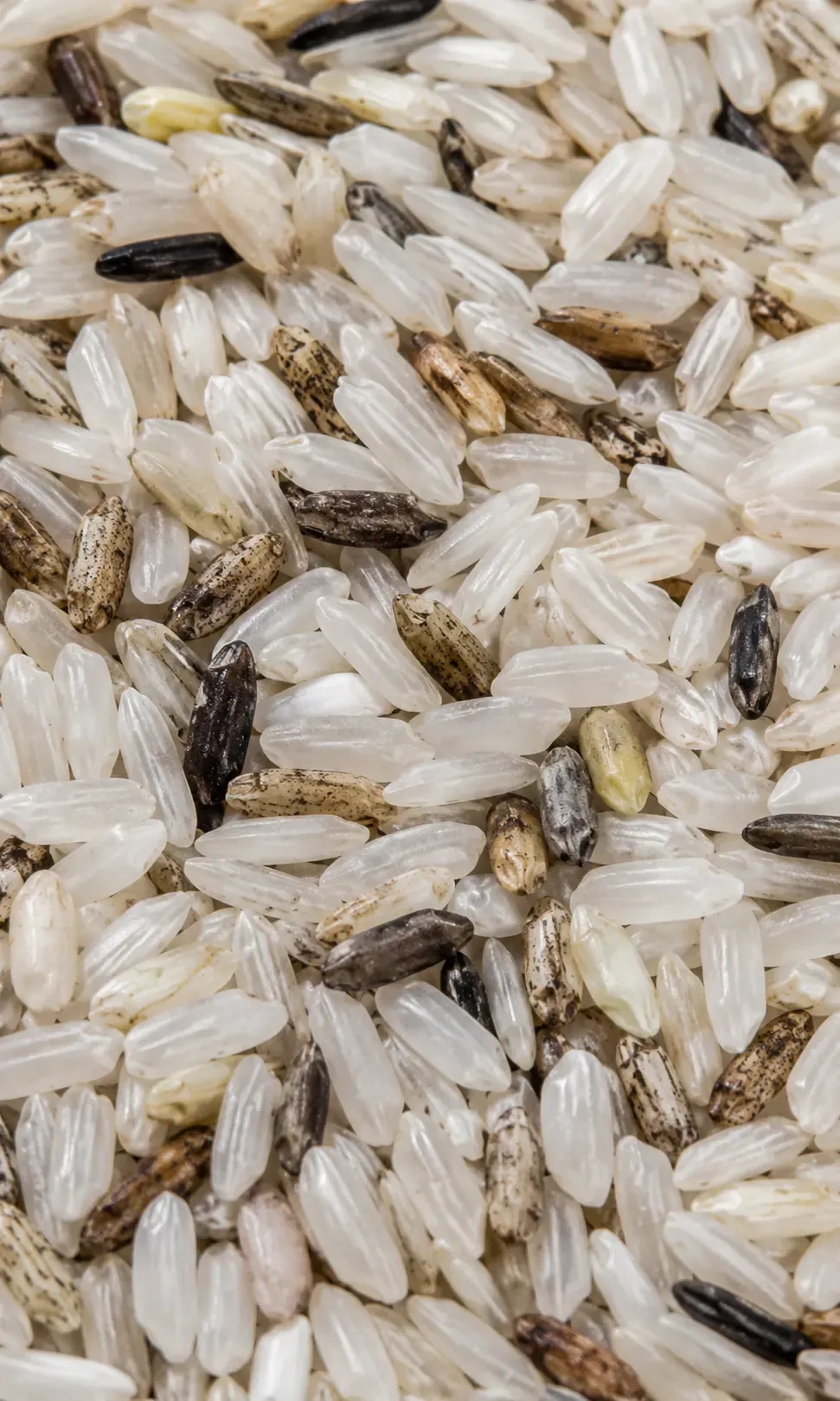
Black Rice
Dark grains with high contrast against pale fragments or light foreign material.
Separate visible off-type grains and contrasting foreign material while preserving acceptable dark kernels.Potential application subject to material evaluation.
Red Rice
Red or reddish-brown kernels where accepted tone must be clearly defined.
Use sample review to decide which red tones remain accepted and which become reject classes.Potential application subject to material evaluation.
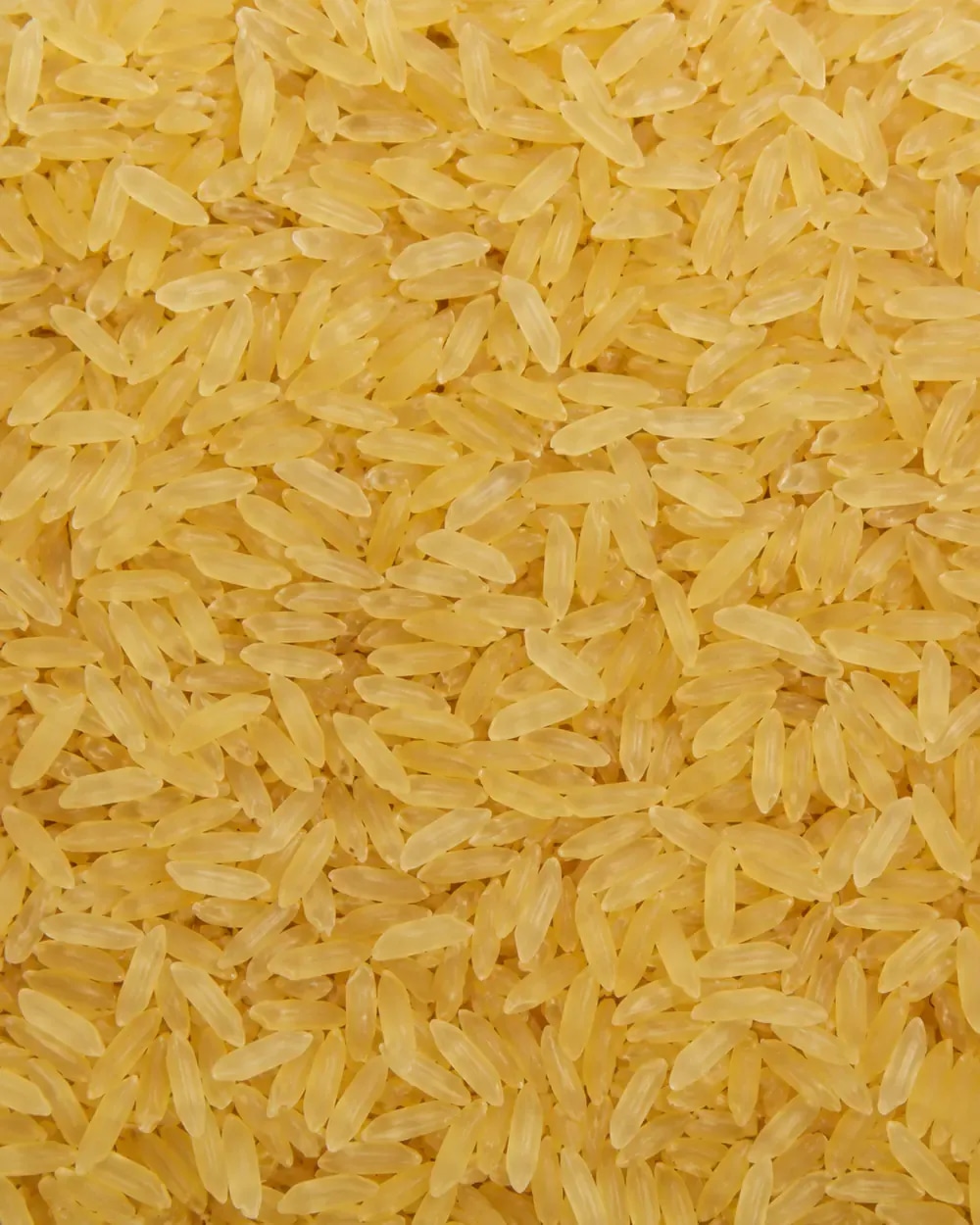
Parboiled Rice
Warm yellow or amber tone influenced by processing conditions.
Control visible appearance and remove off-spec grains after the accepted parboiled range is confirmed.Potential application subject to material evaluation.
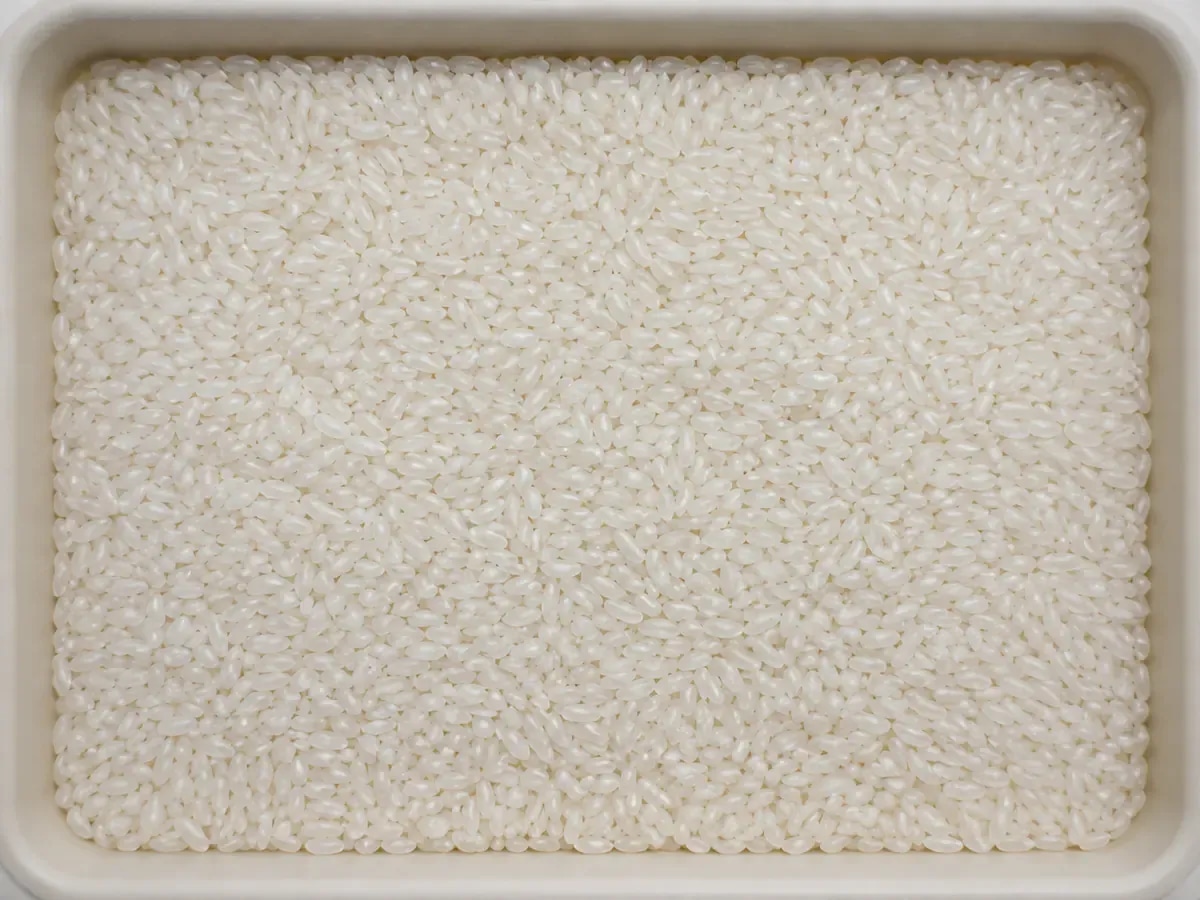
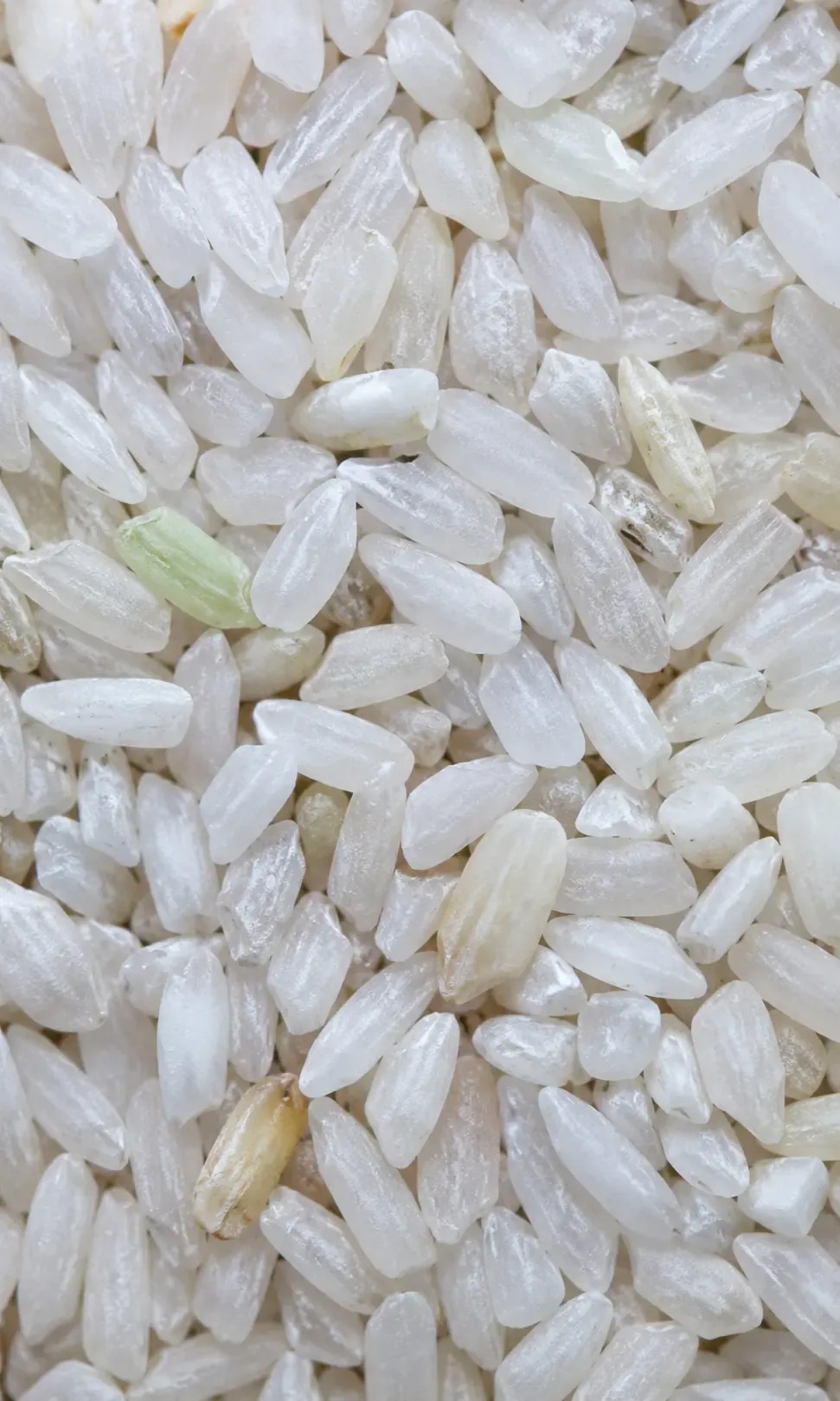
Glutinous Rice
Opaque white grains that can make chalkiness and surface defects harder to separate visually.
Review glutinous-rice defects separately from ordinary white-rice recipes.Potential application subject to material evaluation.
Long-Grain Rice
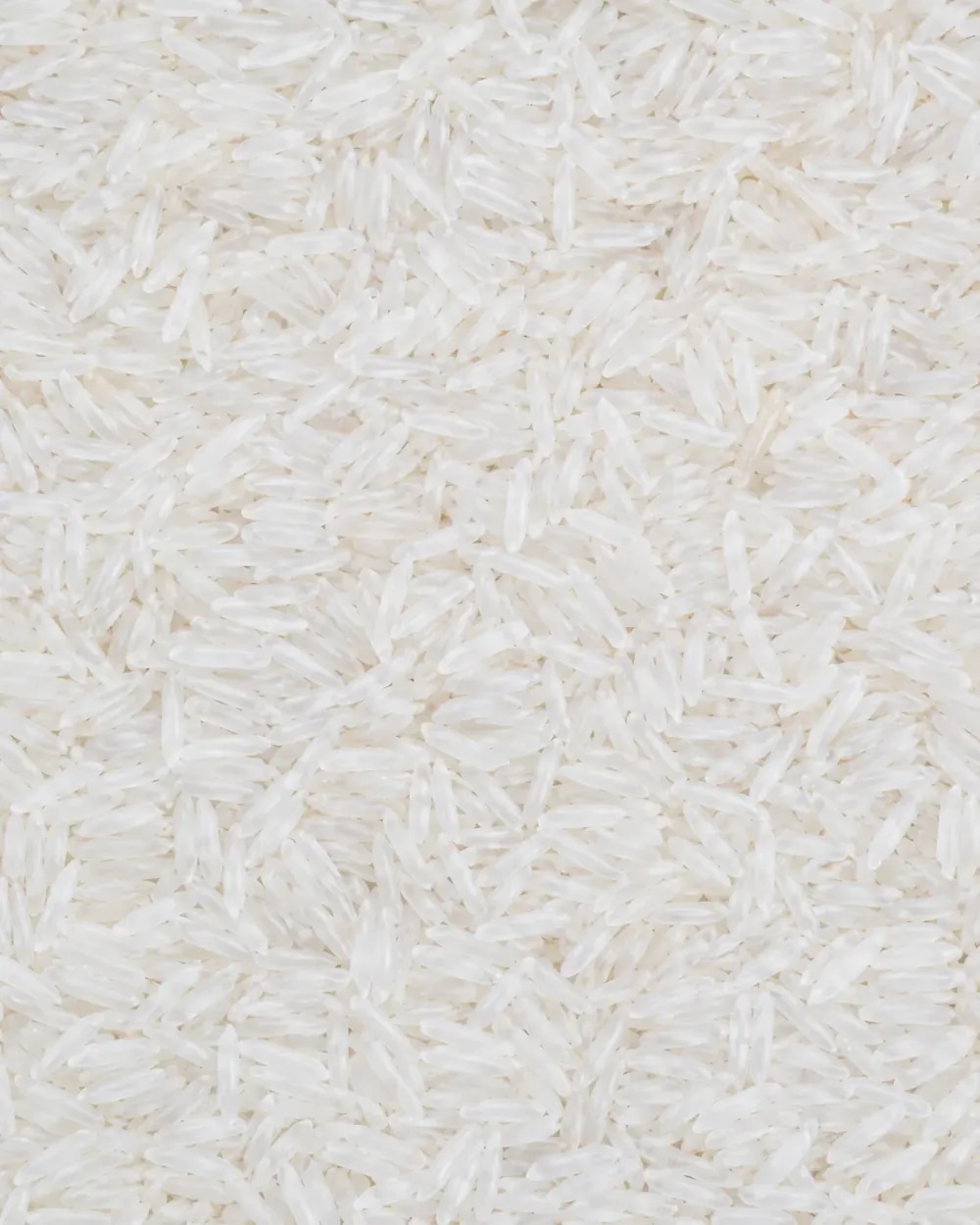
Long, slender kernels where shape and integrity are part of the quality target.
Combine visible color inspection with shape and size review when the grading target requires it.Potential application subject to material evaluation.
Sorting targets and accepted color ranges are defined using representative samples.
Visible defect library
Define the visible reject class before building the recipe.
Rice defect names can sound simple, but the reject boundary is usually sample-specific. The sorter can only act on visible differences presented to the inspection system.
01Color Defects
Yellow Grains
Yellow or amber grains that stand apart from the accepted product range.
Feed
Mixed milled rice with moisture, age, drying, or storage-related color variation.
Accept
Grains matching the approved accepted color window.
Reject
Visible yellow grains outside the agreed recipe boundary.
Testing note
The yellow threshold should be set with representative accepted and rejected samples.
Off-color Grains
Grains that fall outside the agreed accepted color family for the selected rice grade.
Feed
Mixed rice with natural tone variation, processing color shifts, or off-type kernels.
Accept
Grains that remain inside the buyer's accepted color range.
Reject
Visible off-color grains selected during sample comparison.
Testing note
The off-color boundary should be set with representative accepted and rejected samples.
Spotted or Discolored Grains
Brown, black, red, or mixed-color marks visible on the grain surface.
Feed
A mixed feed containing off-color kernels and normal natural variation.
Accept
Grains within the approved color and surface appearance range.
Reject
Visibly spotted or discolored kernels defined as rejects.
Testing note
Visible appearance does not confirm the cause of discoloration.
Dark Grains
Dark kernels or dark fragments visible against the accepted stream.
Feed
White or light-colored rice with dark off-type grains or fragments.
Accept
Clean accepted rice with dark-grain tolerance set by the buyer.
Reject
Dark grains and fragments that exceed the selected tolerance.
Testing note
Contrast, stream depth, and camera lighting affect detectability.
02Surface and Maturity
Chalky Grains
Opaque or chalky areas that reduce visual translucency.
Feed
Milled rice containing chalky, immature, or partially translucent kernels.
Accept
Grains that meet the customer's appearance and translucency target.
Reject
Chalky grains selected for removal after sample comparison.
Testing note
Chalkiness may need a separate recipe from ordinary color sorting.
Visibly Damaged Grains
Broken surface, marks, dark edges, or other visible damage.
Feed
Rice after handling, milling, or storage with visible damage mixed into the product stream.
Accept
Grains without the visible damage class selected for removal.
Reject
Damaged grains matching the tested visual reject pattern.
Testing note
Only visible damage can be evaluated by visible-light inspection.
Visible Mold-like Discoloration
Visible spots or discoloration that look mold-like to human inspection.
Feed
Rice containing suspicious surface discoloration in the visible spectrum.
Accept
Grains without the selected visible discoloration pattern.
Reject
Visible mold-like discoloration as defined by sample review.
Testing note
The page does not claim food-safety diagnosis or invisible contamination detection.
Immature Grains
Pale, greenish, chalky, or underdeveloped kernels visible in the stream.
Feed
Harvest or processing variation mixed with normal accepted grains.
Accept
Accepted grains that match the buyer's maturity and appearance range.
Reject
Immature grains defined by visible color, opacity, and shape signals.
Testing note
Maturity sorting must be calibrated against actual accepted and rejected samples.
Glutinous Rice Defects
Dark, yellow, spotted, or visibly contaminated kernels in glutinous rice streams.
Feed
Opaque glutinous rice where surface contrast may be subtle.
Accept
Acceptable glutinous grains matching the approved recipe window.
Reject
Visible glutinous-rice defects and impurities selected for removal.
Testing note
Glutinous rice should not reuse an ordinary white-rice recipe without testing.
03Broken and Off-Size
Large Broken Grains
Large broken kernels that remain visually close to whole grains but affect grade appearance.
Feed
Milled rice with head rice, partial kernels, and larger broken fractions mixed together.
Accept
Whole or approved larger kernels matching the selected grade.
Reject
Large broken grains selected for removal or separate grading.
Testing note
Broken-grain boundaries should follow the buyer's product standard and sample review.
Fine Broken Grains
Small broken fractions or fine pieces visible in the rice stream.
Feed
Rice containing head rice, small broken fractions, and fines.
Accept
Approved kernel size range for the finished product.
Reject
Fine broken fractions when visible and consistently presented.
Testing note
Fine fractions can be difficult when feed presentation is unstable.
Long-grain Rejection
Over-length grains that stand out from the selected product grade.
Feed
Mixed length rice where long grains are not part of the accepted product target.
Accept
Short or medium grains inside the defined length range.
Reject
Long grains selected as off-size material.
Testing note
Length thresholds must be confirmed using the actual rice variety.
Short-grain Rejection
Short grains or off-size fragments in a long-grain product stream.
Feed
Long-grain rice mixed with short kernels, broken pieces, or off-size fractions.
Accept
Long grains inside the agreed accepted range.
Reject
Short grains or off-size pieces selected for removal.
Testing note
The recipe must separate true short grains from broken fractions where possible.
Visual preview
Not sure which defects belong in your reject class?
Upload representative images and create an initial visual sorting preview before arranging a real machine test.
Length, width, shape, and integrity can become sorting targets.
Visible size and shape differences can support grade control when they are stable enough in the material presentation. The final threshold depends on variety, sample, and customer quality standard.
Length
Shape
Integrity
Width
Length
Long Grain Rejection
Accept
Short or medium grains kept for a defined product grade.
Reject
Over-length grains separated when they break visual uniformity.
Works only after the accepted length range is defined by sample review.Length
Short Grain Rejection
Accept
Long grains kept as the accepted product stream.
Reject
Short grains or off-size fragments rejected from long-grain product.
The recipe must consider overlap between short whole grains and broken grains.Shape
Accepted Short or Medium Grain
Accept
Short or medium kernels remain when they match the selected product grade.
Reject
Off-size long grains can be moved out once the accepted boundary is confirmed.
Shape classes should be set with the actual customer grade sample.Width
Accepted Long Grain
Accept
Long kernels remain when the finished grade requires slender full grains.
Reject
Short or mixed off-type kernels can be removed from the accepted range.
Width and silhouette still need confirmation against the actual rice variety.
Grain integrity examples
Whole-kernel and broken-grain targets should follow the actual rice grade, sample mix, and customer acceptance boundary.
Integrity
Accepted Full Kernels
Accept
Whole grains remain in the accepted stream.
Reject
Large and fine broken fractions are moved out into separate rejects.
Head-rice targets depend on the actual product grade under review.Integrity
Reject Large Broken Grains
Accept
Whole or near-full kernels remain as the target output.
Reject
Large broken kernels move into a controlled reject class.
Large-broken limits should match the customer's grading rule.Integrity
Accepted Head Rice
Accept
Head rice remains after the broken-grain boundary is set.
Reject
Shorter partial kernels and fines can be separated where presentation is stable.
Head-rice accept ranges should be tested with representative production material.Integrity
Reject Fine Broken Fractions
Accept
Larger kernels remain when the grade allows them.
Reject
Fine broken fractions are separated when they are visible and consistently presented.
Fine fractions become harder when the layer depth and overlap are unstable.
Actual shape and size thresholds must be confirmed with representative rice samples and the selected machine configuration.
Foreign material classification
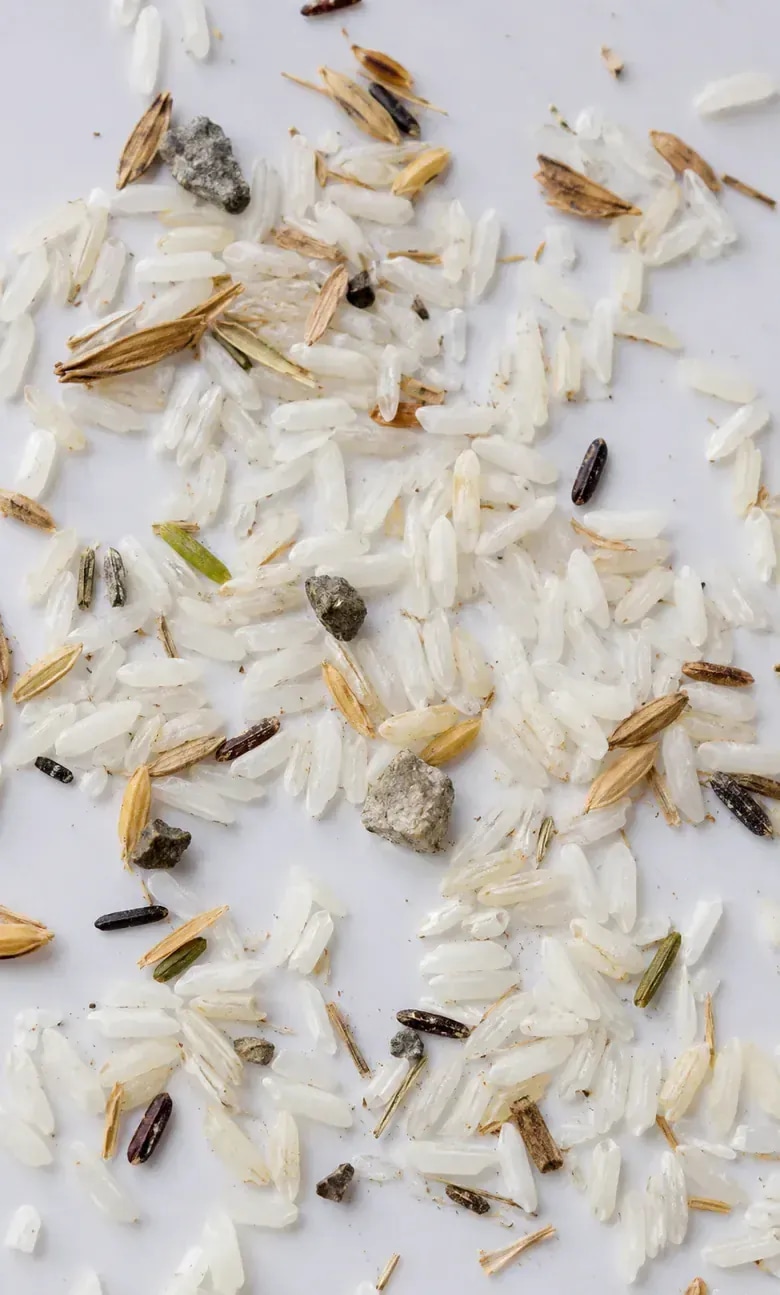
Classify visible contaminants by source and optical contrast.
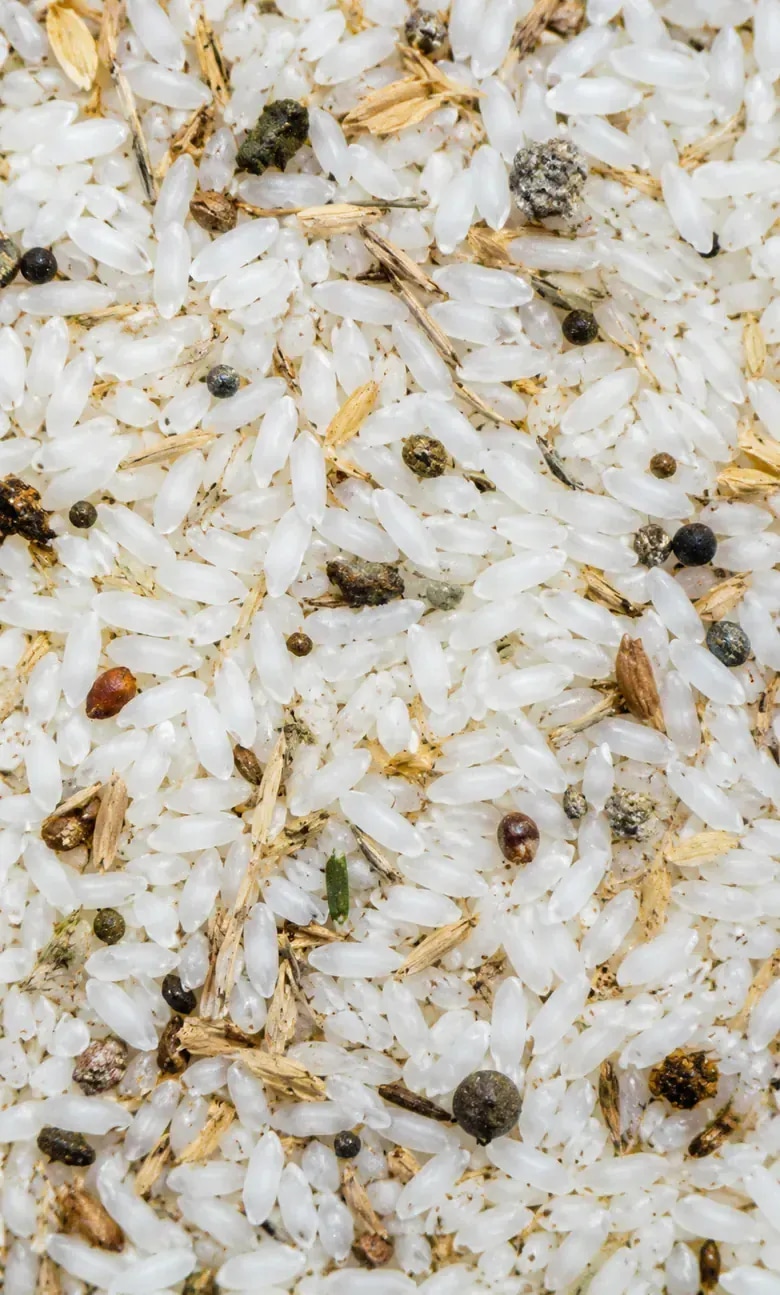
Foreign material removal should be scoped with real contamination samples. The page lists visible classes for evaluation, not a guarantee that every particle is detectable.
Natural Contaminants
Field or primary-cleaning residues that may remain with the rice stream.
StonesSandClodPlant Debris
Industrial Contaminants
Plant, packaging, or handling fragments that require visible-contrast review.
GlassCeramicsPlastic FragmentsDesiccant ParticlesVisible Metal Fragments
Organic Contaminants
Process-related or biological foreign material that must be reviewed carefully.
Husk and BranStrings and FibersVisible Insect MaterialDropping-like Foreign Material
Detectability depends on visible contrast, particle size, material presentation and the selected inspection configuration.
Material sorting challenges
Rice is small, fast, and visually variable.
Sorting difficulty comes from the material stream itself. This is why a real sample test matters before final configuration.
01
Small particle size
Each grain is small, so presentation, camera timing, and ejector timing need to work together.
Representative samples show whether the target difference is visible enough at operating speed.
02
High material flow
Continuous rice flow can hide individual grains if the feed layer is too dense or unstable.
Testing helps define feed behavior and whether the target can be inspected consistently.
03
Similar accepted and defective colors
Yellow, chalky, immature, or lightly discolored grains may sit close to the accepted product range.
Good and reject samples are needed to set a practical decision boundary.
04
Broken and overlapping grains
Broken pieces and overlapping grains can reduce shape clarity and complicate rejection timing.
Sample trials reveal whether shape classes remain stable in the stream.
05
Harvest, origin, and storage variation
Rice from different batches can shift in color, surface condition, moisture history, and impurity mix.
Recipes may need review when the source material changes.
06
Different market grading requirements
One buyer may accept a visible variation that another buyer wants removed.
Testing turns the buyer's quality target into accepted and rejected sample classes.
07
Limited viewing angles
Some surface defects are visible only from certain angles or when the grain is presented cleanly.
A real test checks whether the selected inspection setup can see the target consistently.
08
Need for stable presentation
Lighting, feeding, and stream depth affect the visibility of every defect and contaminant.
Configuration is defined through material testing.
Feed / accept / reject
Build the recipe around three visible streams.
Rice sample review should name the mixed feed, the expected accepted product, and the expected rejected stream before any performance statement is made.
Input
Mixed Feed
Representative incoming rice with acceptable grains, visible defects, broken pieces, and possible foreign material.
Accepted and rejected grains mixed
Visible color and surface variation
Foreign material examples supplied by the customer
Accept
Expected Accept Stream
Rice that matches the selected grade target after visible defects and contaminants are separated.
Defined accepted color range
Shape and size tolerance agreed
Final quality target confirmed by sample review
Reject
Expected Reject Stream
The visible defect, broken-grain, and foreign-material classes selected for removal.
Color defects
Shape and size rejects
Visible foreign materials
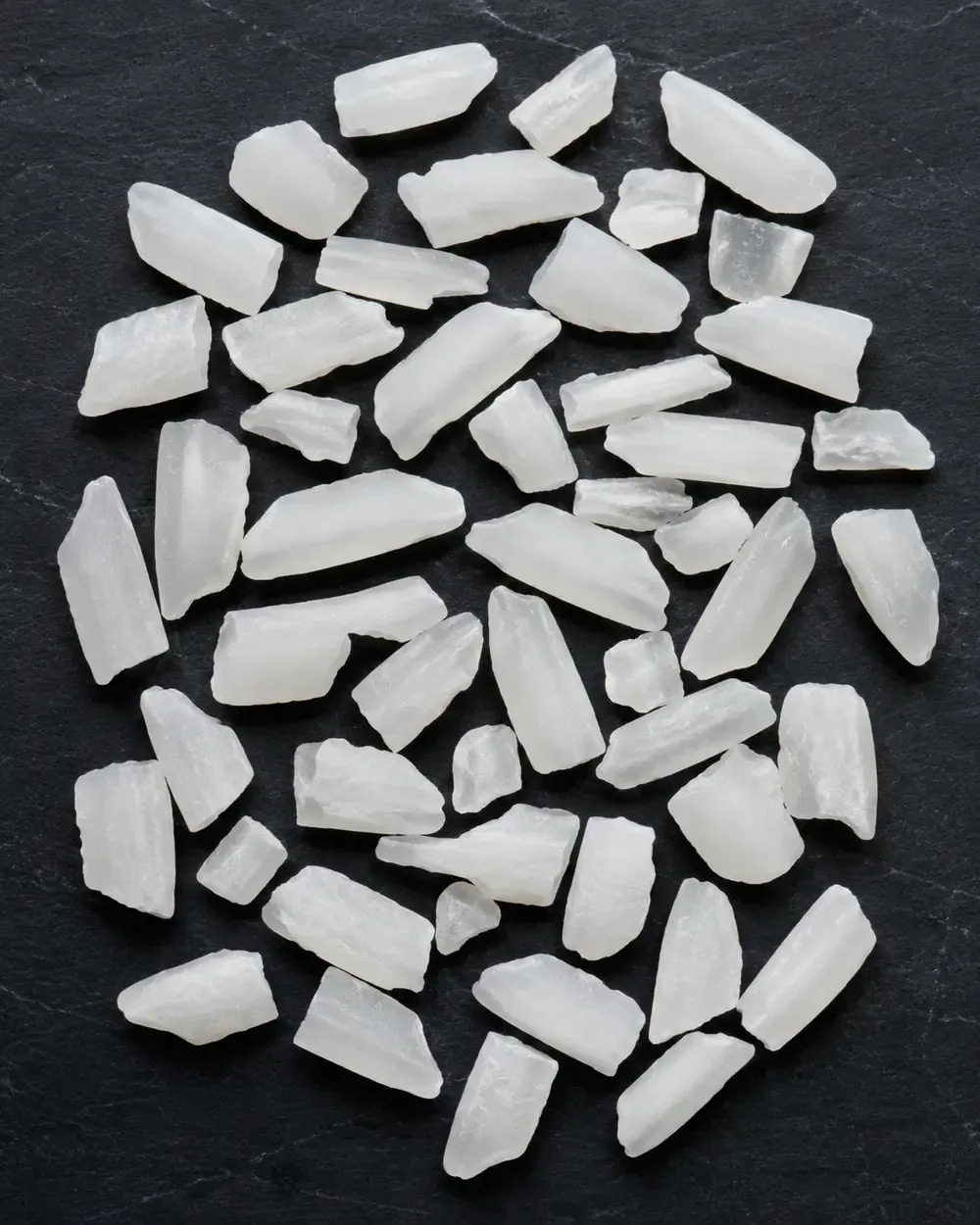
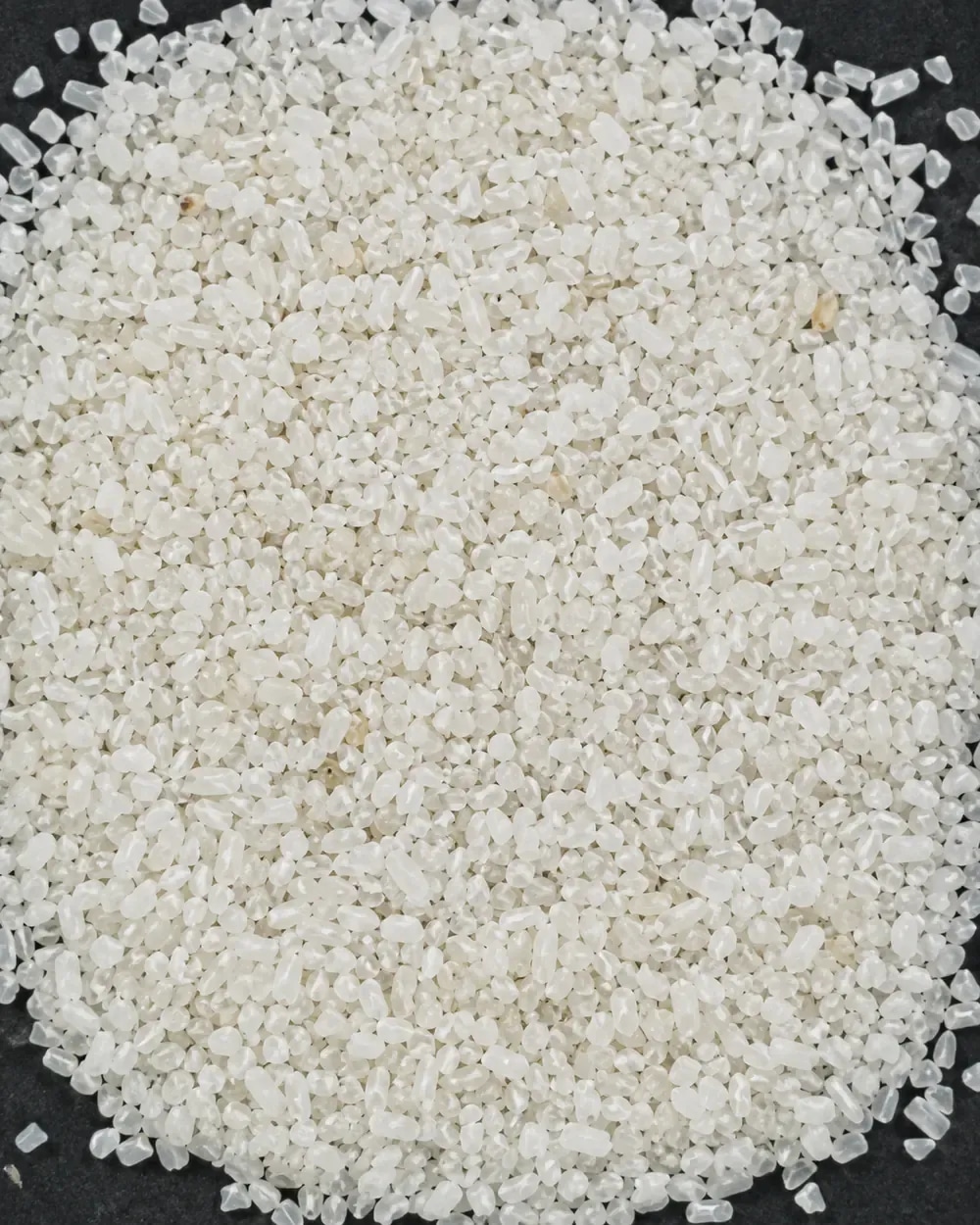
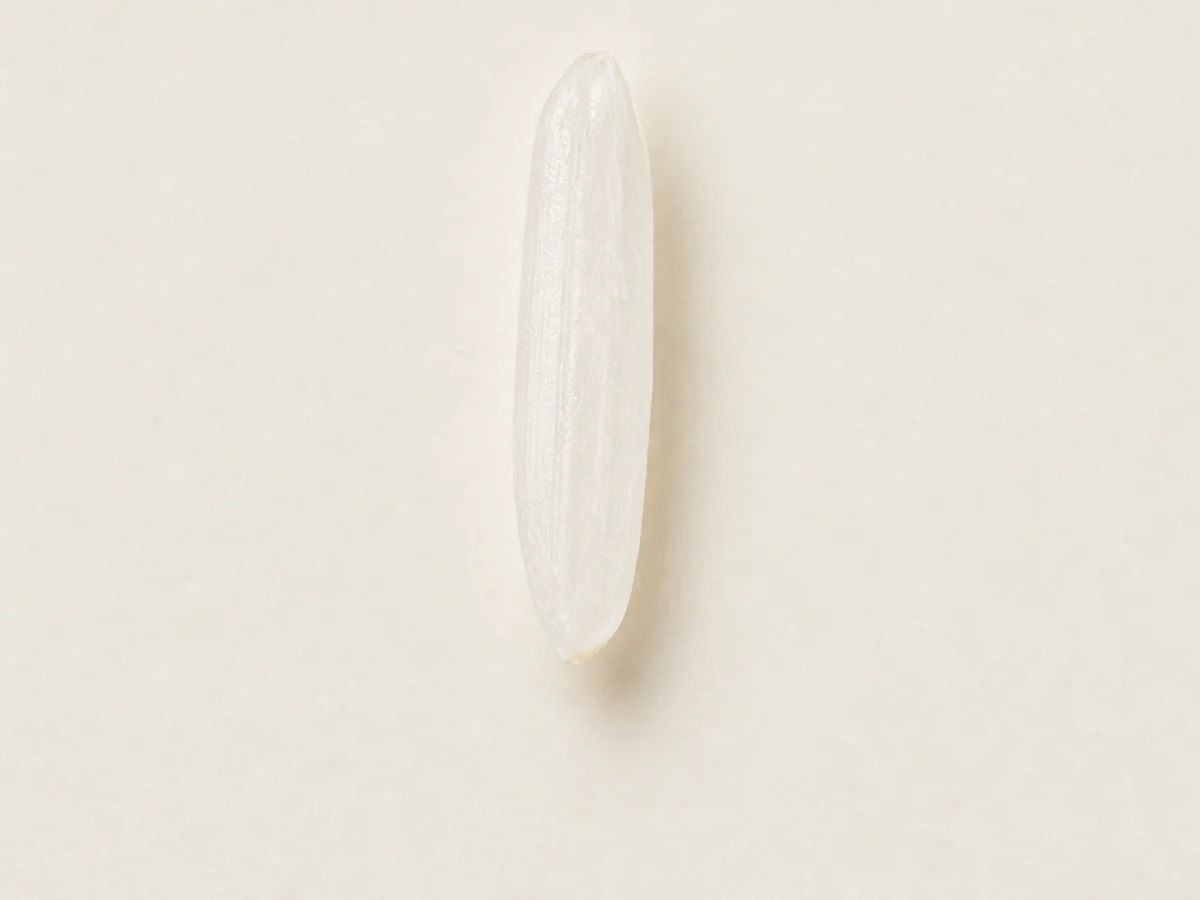
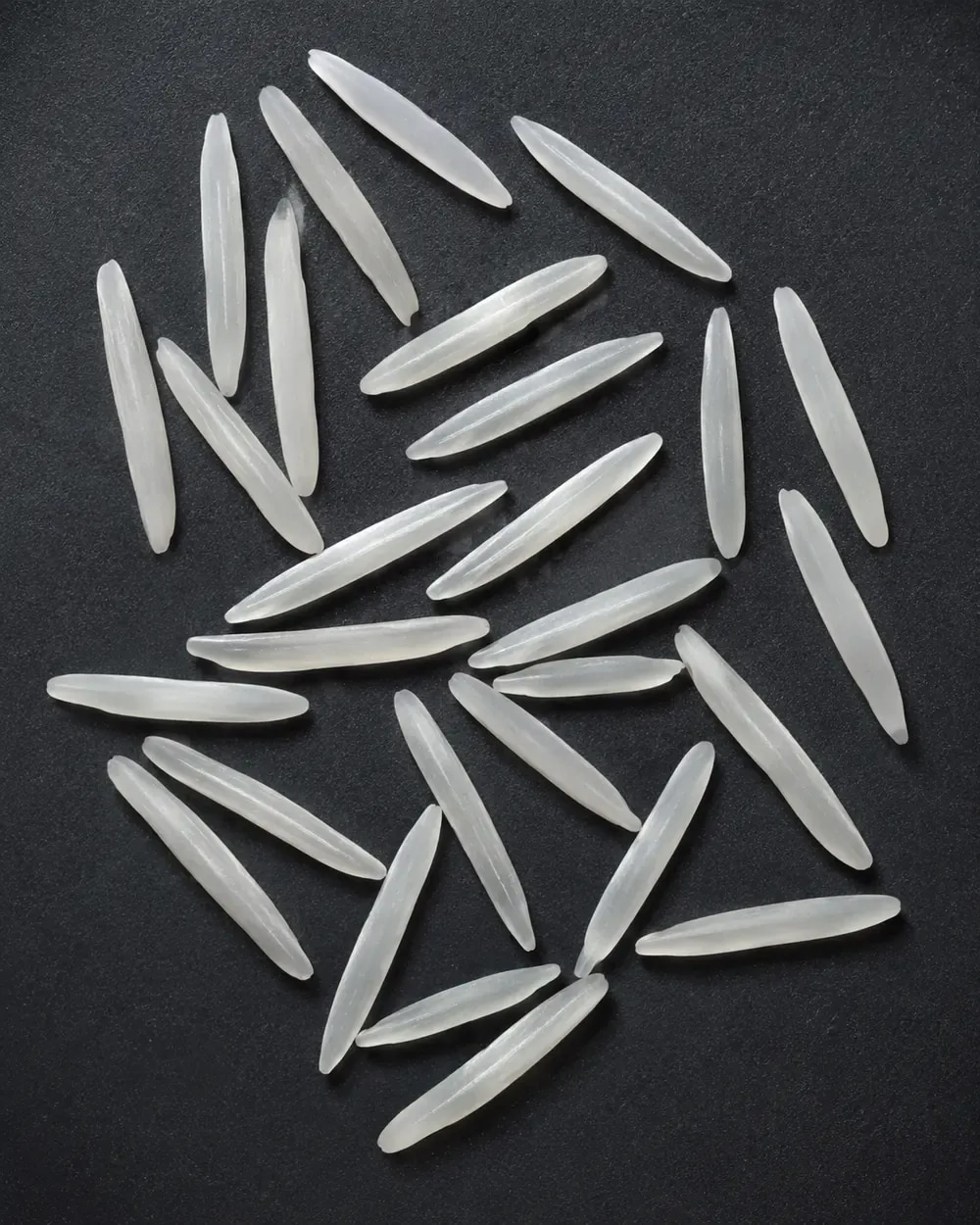
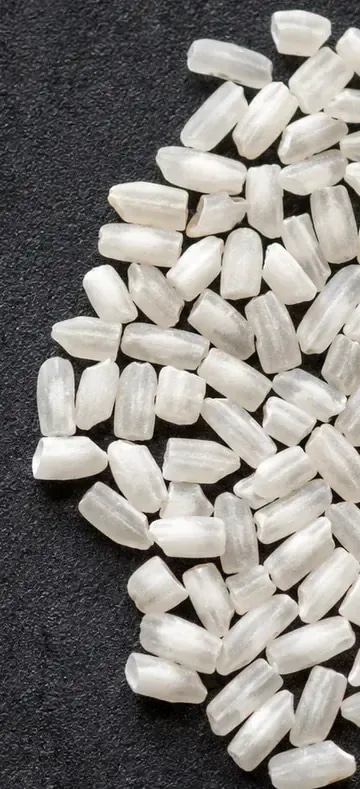
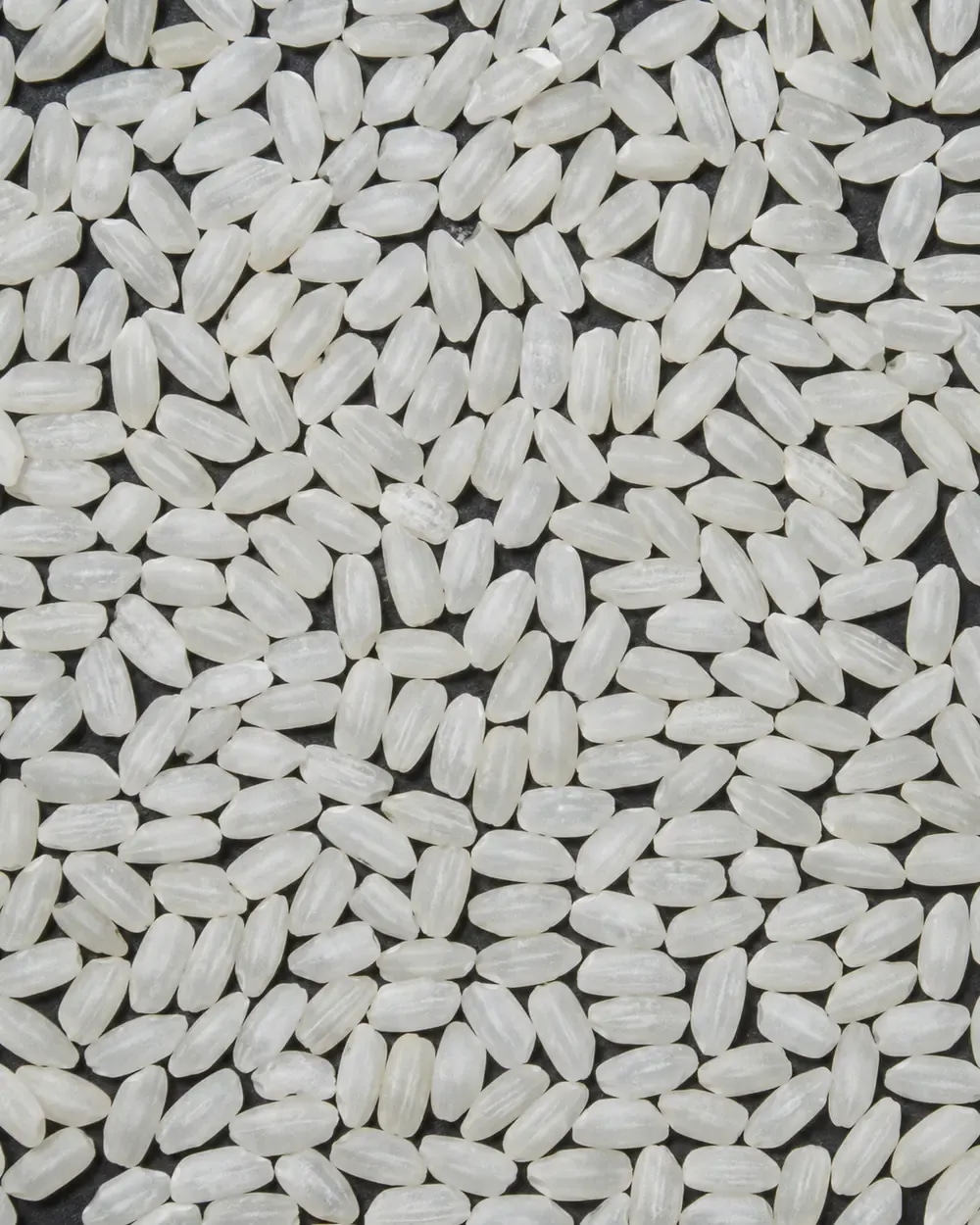
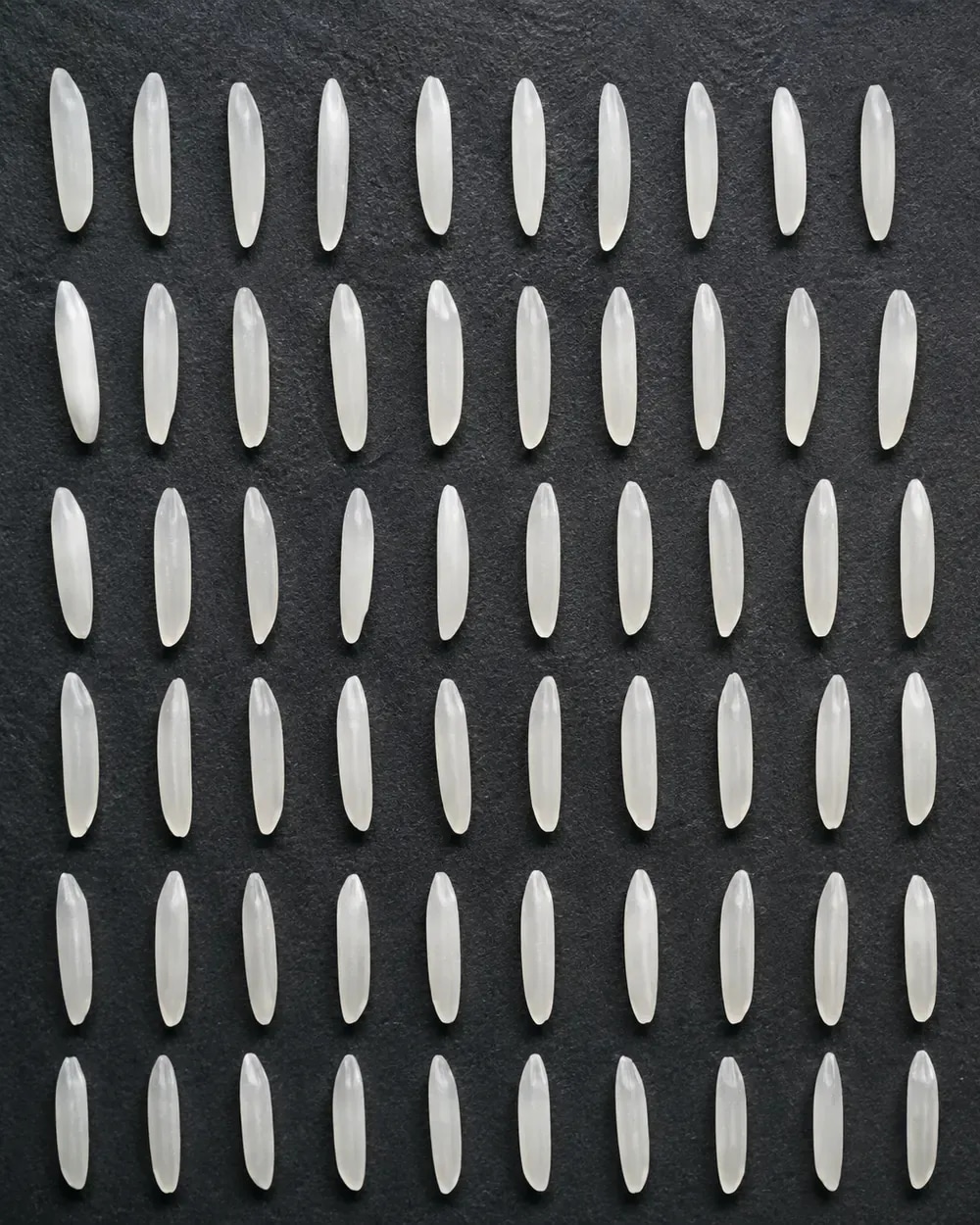
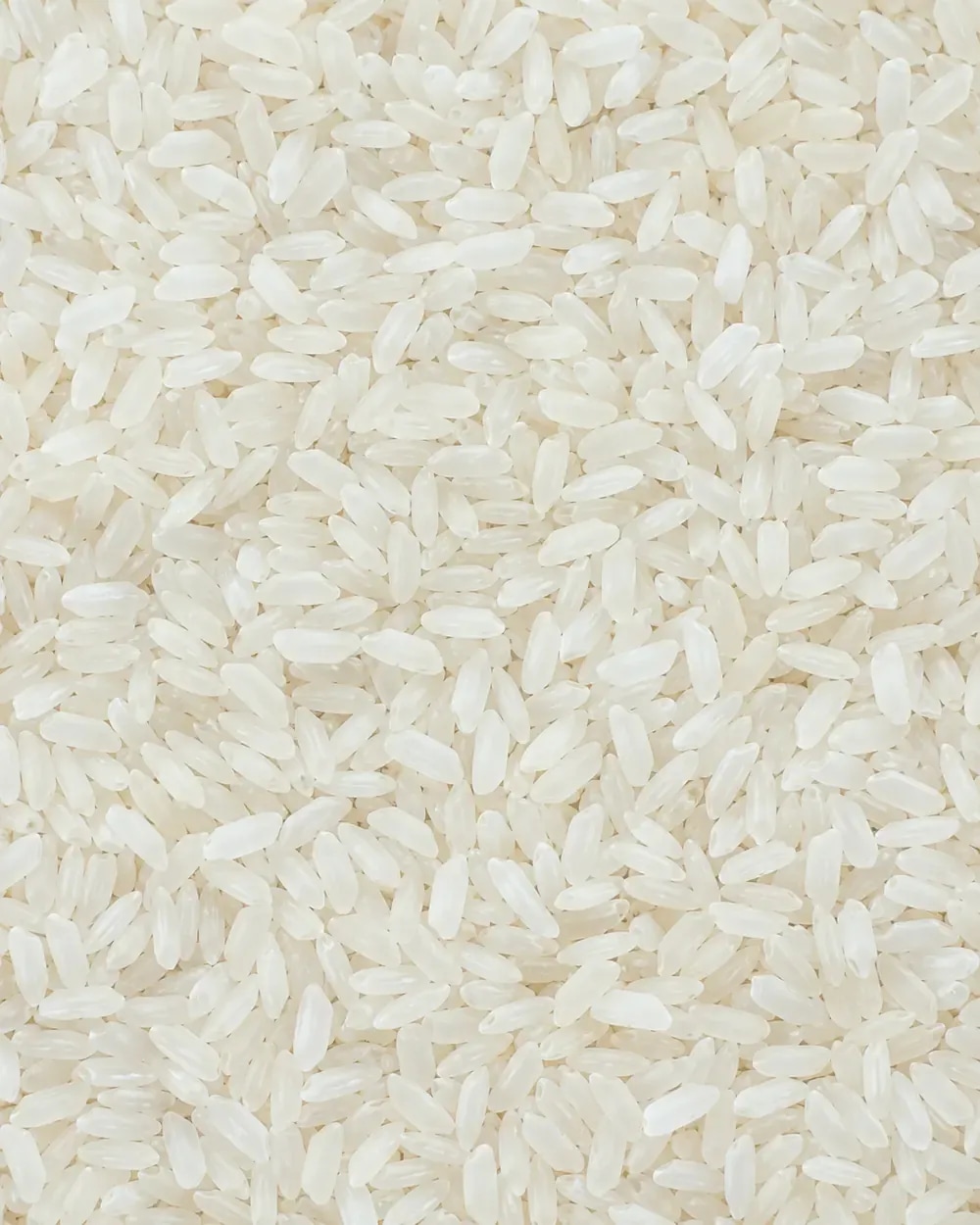
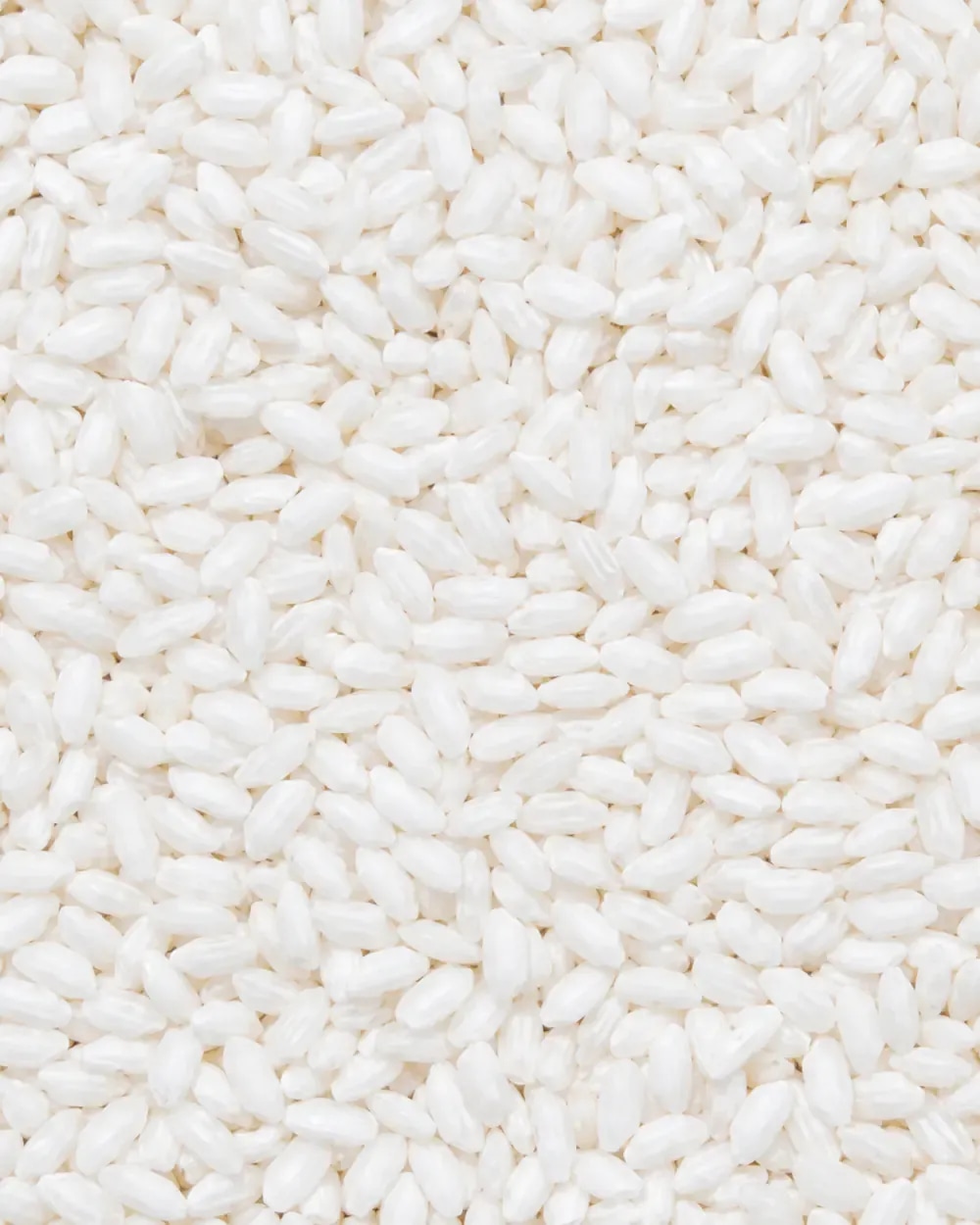
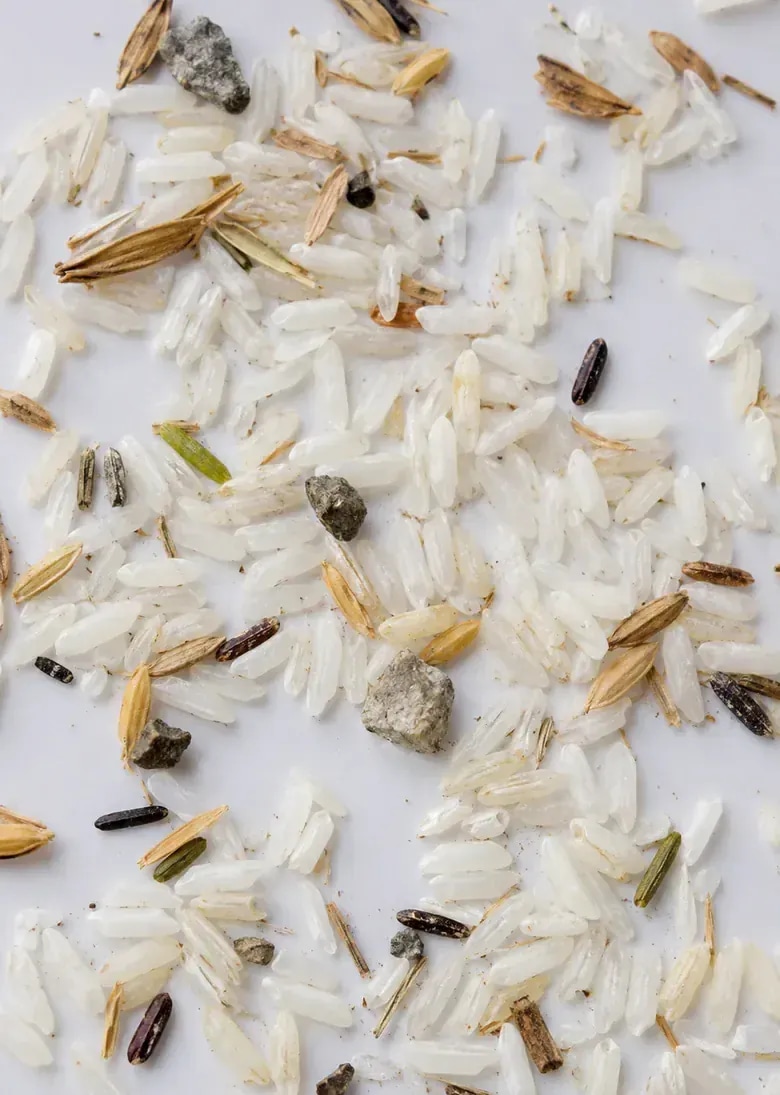
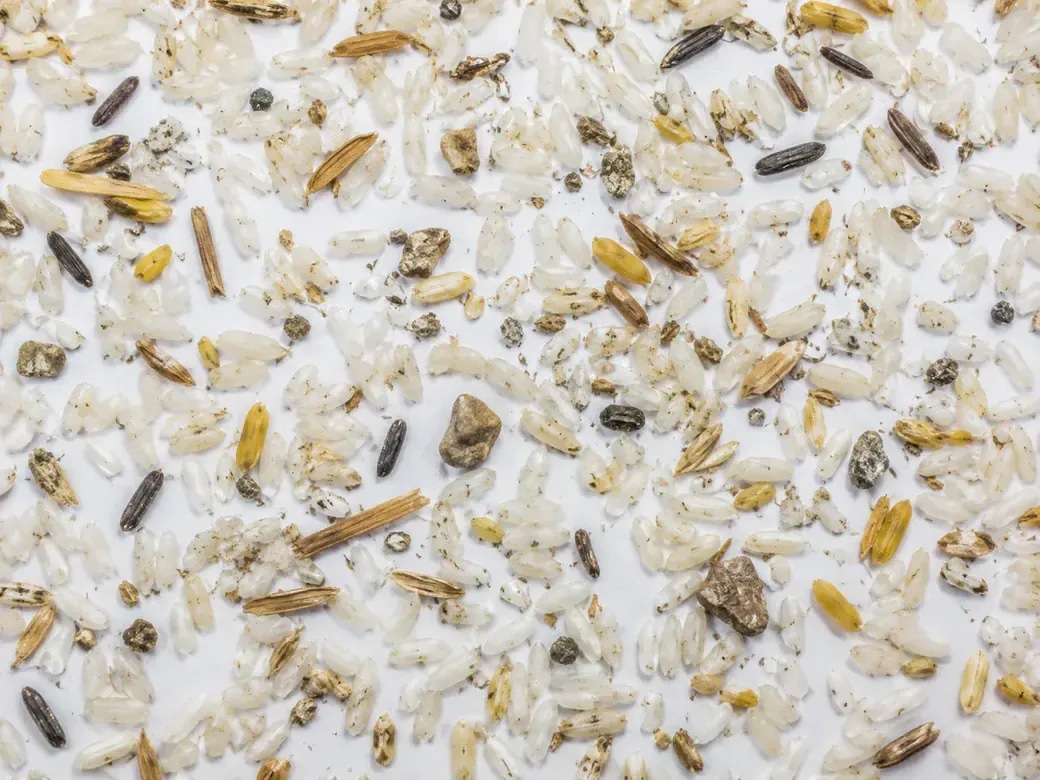
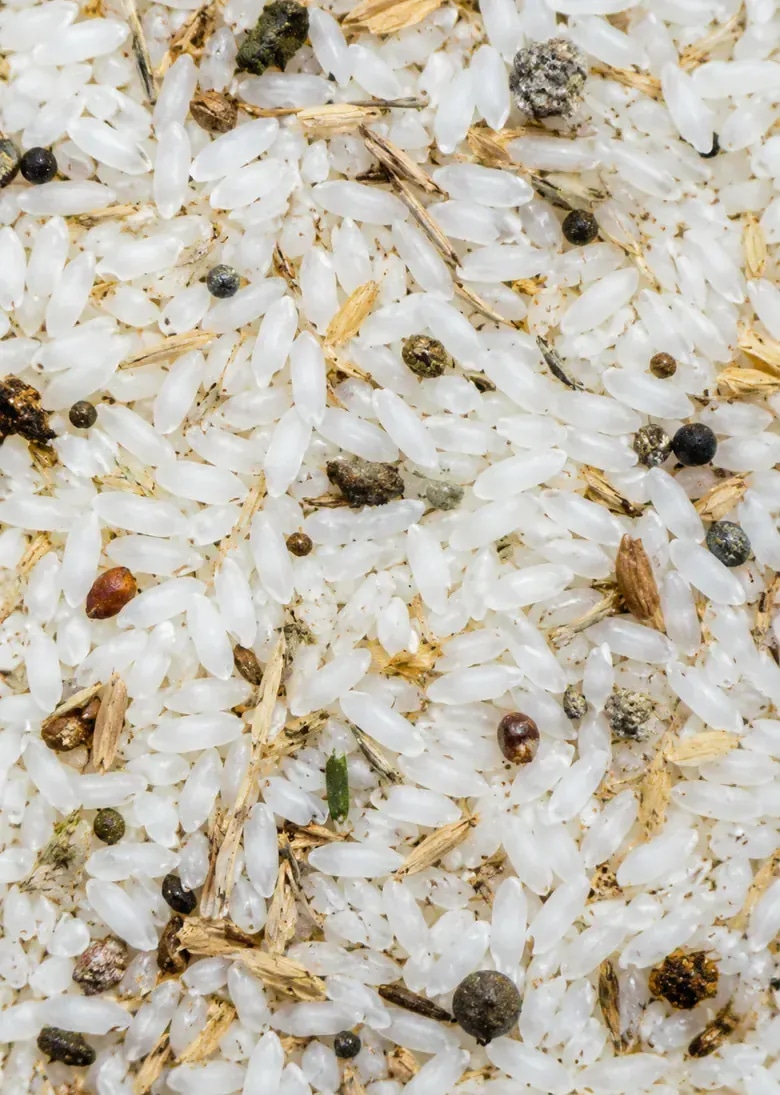
Illustrative material images for visual explanation. Final sorting configuration and performance depend on representative sample testing and operating conditions.
Recommended technologies
Visible inspection and recipe control stay inside the confirmed public scope.
These technology directions describe what can be evaluated visually and why representative material testing remains necessary.
Visible-Light Inspection
What it observes
Visible color, brightness, surface contrast, and presentation of each grain.
What it cannot confirm
Invisible contamination, chemical composition, or internal defects.
Why material testing is required
Lighting and camera setup must be matched to the real rice stream.
Color Recognition
What it observes
Yellow grains, dark grains, spotted grains, and off-color classes.
What it cannot confirm
The cause of discoloration or food-safety condition.
Why material testing is required
Accepted and rejected color ranges must be defined with samples.
Shape Analysis
What it observes
Length, width, broken-grain fraction, and visible grain integrity.
What it cannot confirm
Non-visible damage or grain quality hidden by overlapping material.
Why material testing is required
Thresholds depend on variety and buyer grading rules.
Visible Surface Defect Analysis
What it observes
Spots, marks, visible mold-like discoloration, and surface damage.
What it cannot confirm
Microbiological status or chemical contamination.
Why material testing is required
Surface defects need clear visual examples for recipe setup.
AI-Assisted Recipe Development
What it observes
Configured visual classes across accepted and rejected samples.
What it cannot confirm
A final machine result without a real material test.
Why material testing is required
AI preview can guide discussion, while machine configuration requires representative samples.
Lighting and Ejection Control
What it observes
Stable visual contrast and timed rejection of selected targets.
What it cannot confirm
Throughput, reject rate, or product loss without testing.
Why material testing is required
Ejection timing and material presentation must be checked on the real stream.
AI visual preview
Upload your rice sample
See a visual preview of possible accept and reject streams.