
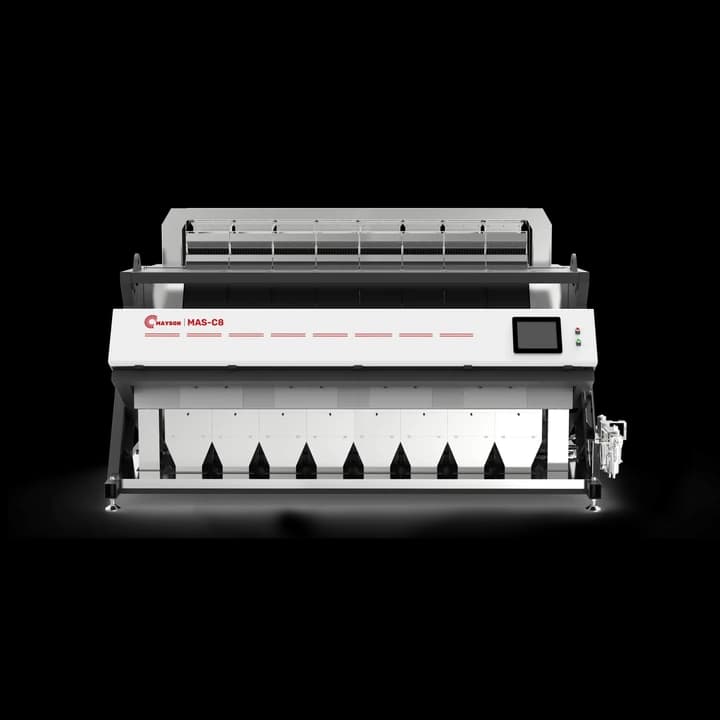
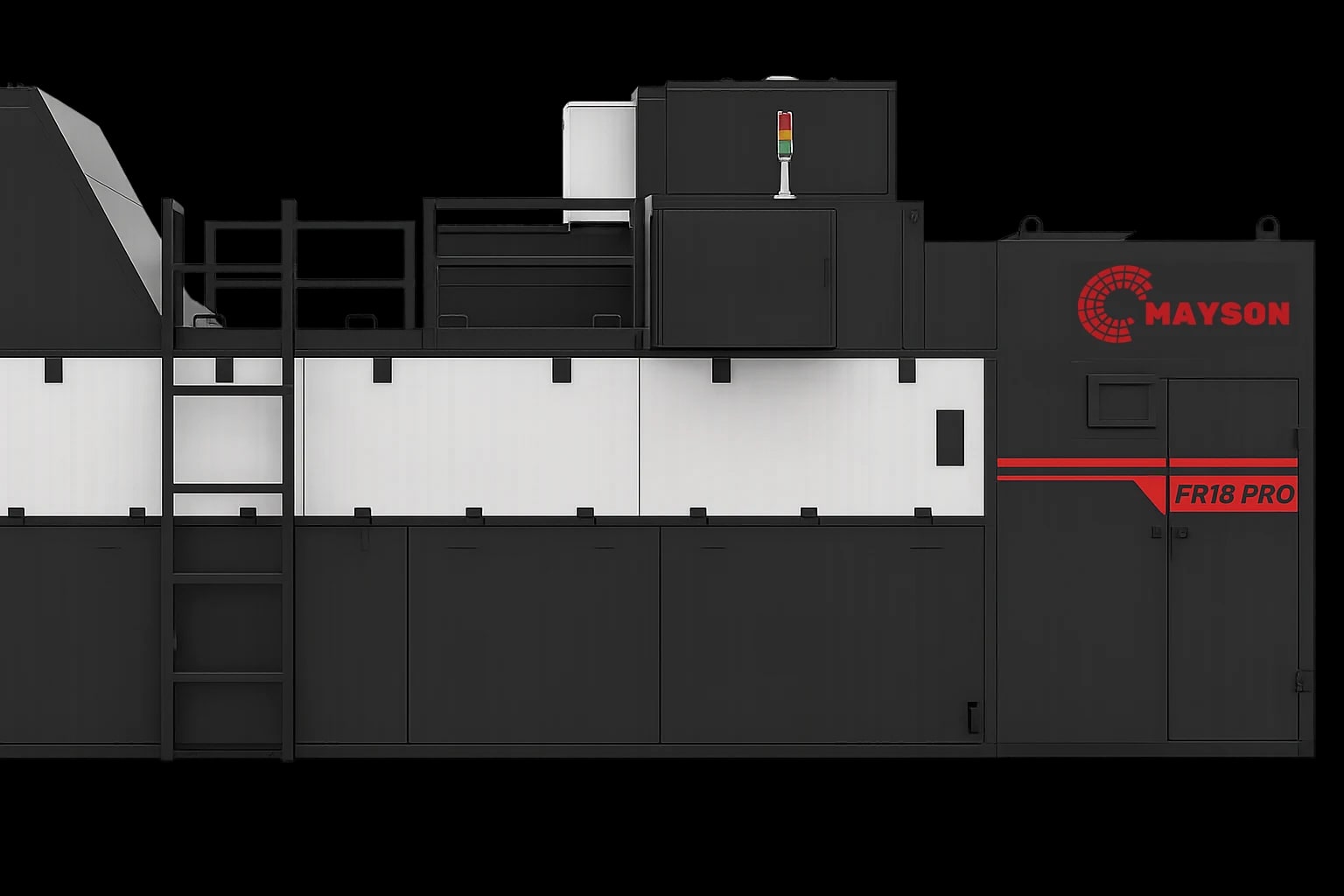
FR-XRTXRT SORTING SERIES
High-Throughput
XRT Sorting for
Aluminum Purification
FR-XRT uses Dual-Energy X-ray transmission to identify density and effective atomic-number differences in coarse recycled metal streams. It is built for aluminum-rich Zorba upgrading, heavy metal removal, remelter feed cleaning and aluminum scrap value recovery.
Zorba AluminumHeavy Metal RemovalCoarse Scrap SortingRemelter Feed Cleaning
01
Feed
Coarse aluminum-rich Zorba, remelter feed or profile scrap is presented in a stable layer.
02
Identify
Dual-Energy XRT reads attenuation differences linked to density and effective atomic-number response.
03
Accept / Reject
Heavy metal contaminants are ejected while the upgraded aluminum stream continues downstream.
Why FR-XRT
Aluminum purification that does not depend on surface color.
FR-XRT is built for metal recyclers who need to remove heavy contaminants from aluminum-rich streams where color alone is not enough to define material quality.
Material response, not surface color
Identifies internal X-ray response so oxidized, dusty or coated pieces are not judged only by visible appearance.
Heavy metal removal from aluminum
Targets copper, brass, zinc, lead, stainless steel and other dense contaminants that reduce aluminum feed value.
Coarse scrap, high-throughput logic
Designed around medium-to-large pieces suitable for belt-fed industrial sorting and pneumatic ejection.
Better remelter feed control
Helps reduce risky contaminants before furnace charging, supporting more stable downstream aluminum production.
Sample-led sorting classes
Accept and reject classes are built from the customer's actual aluminum feed and contaminant examples.
Line-ready configuration
Belt width, ejection layout, feed preparation and downstream handoff are reviewed against the real recycling line.
Main applications
Four aluminum upgrading jobs, one XRT platform.
FR-XRT is positioned by the aluminum problem the customer needs to solve: remove heavy metals, clean furnace feed or upgrade specific aluminum scrap fractions.
Application 01
Zorba aluminum purification
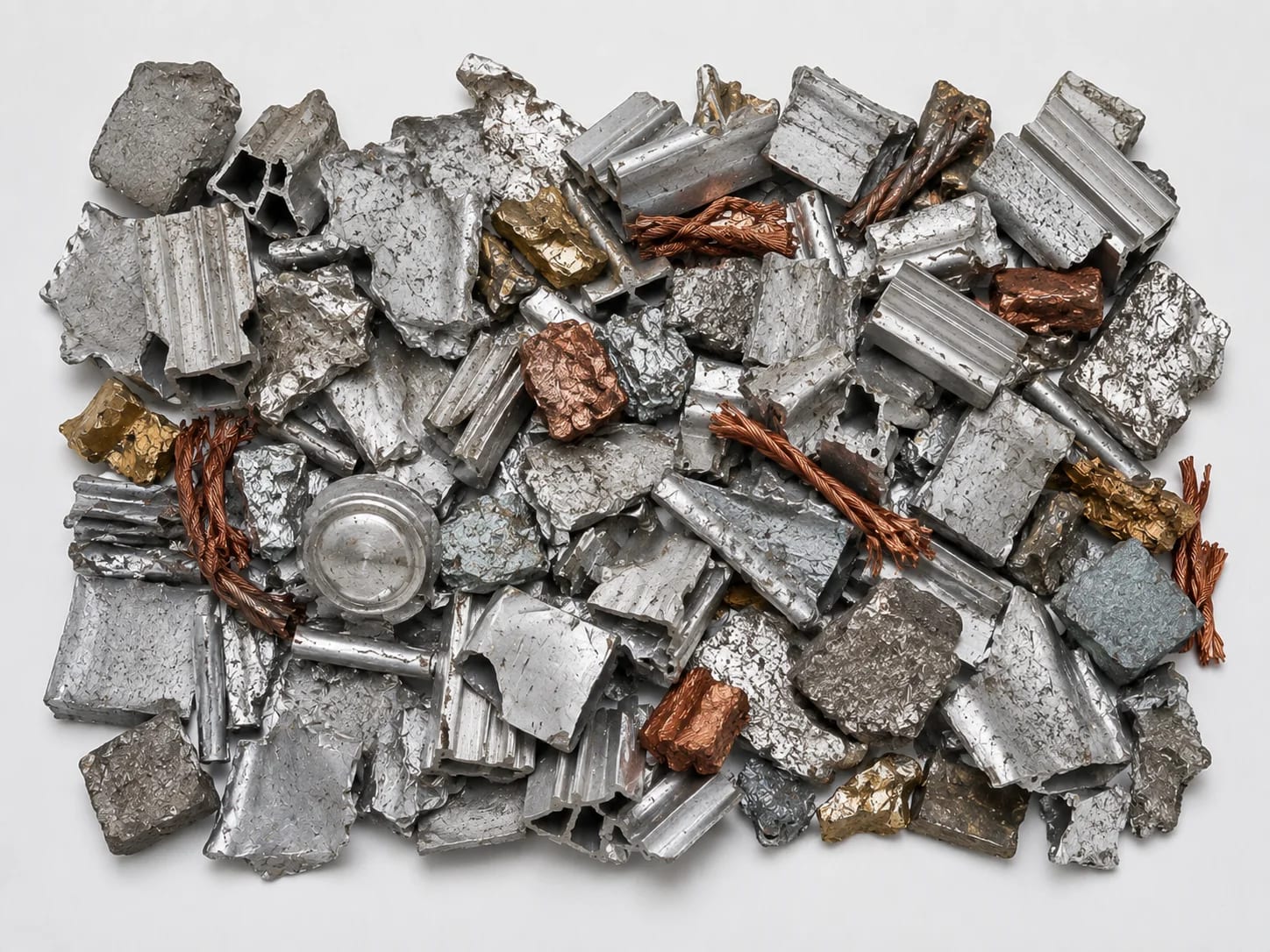
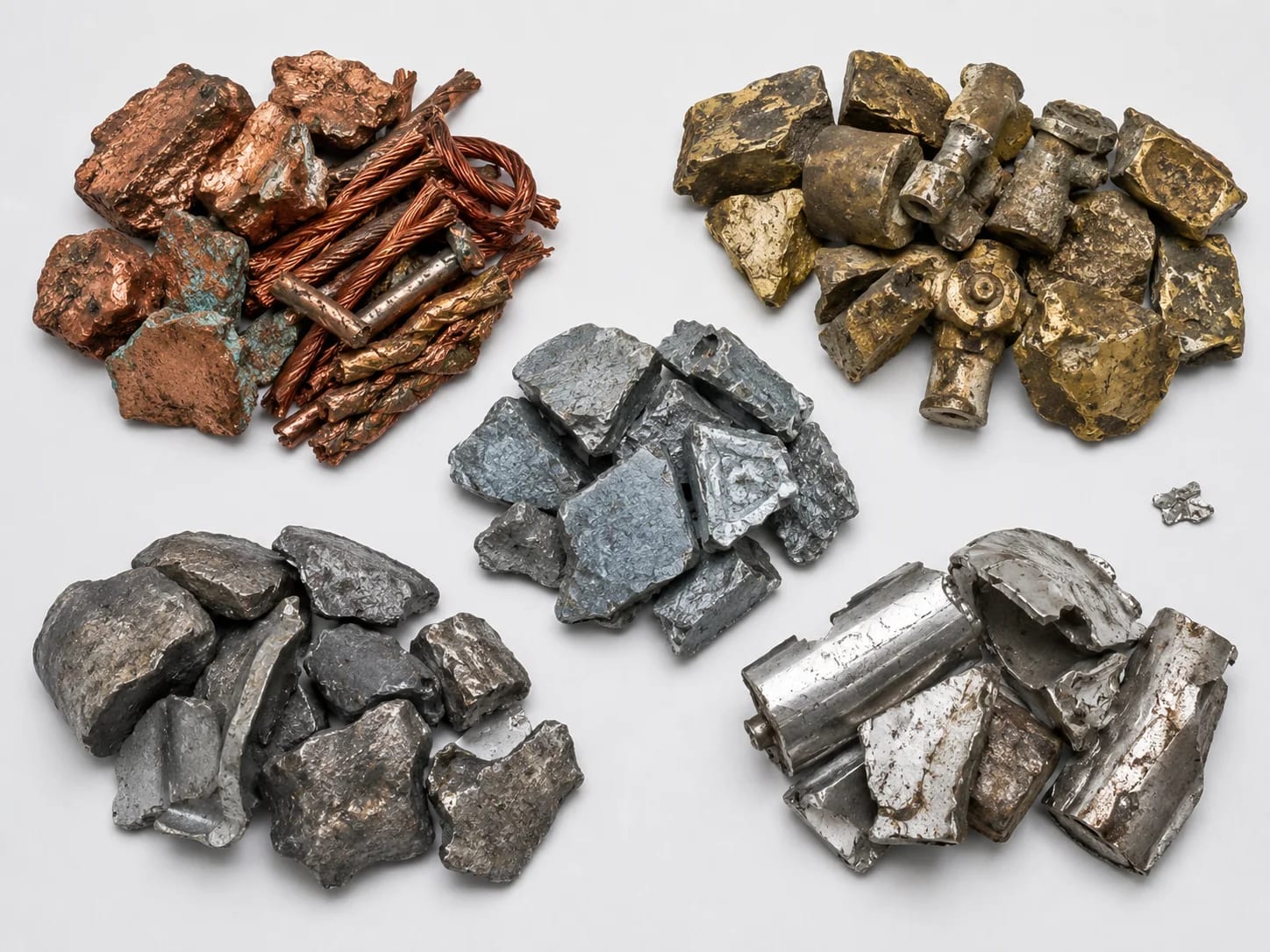
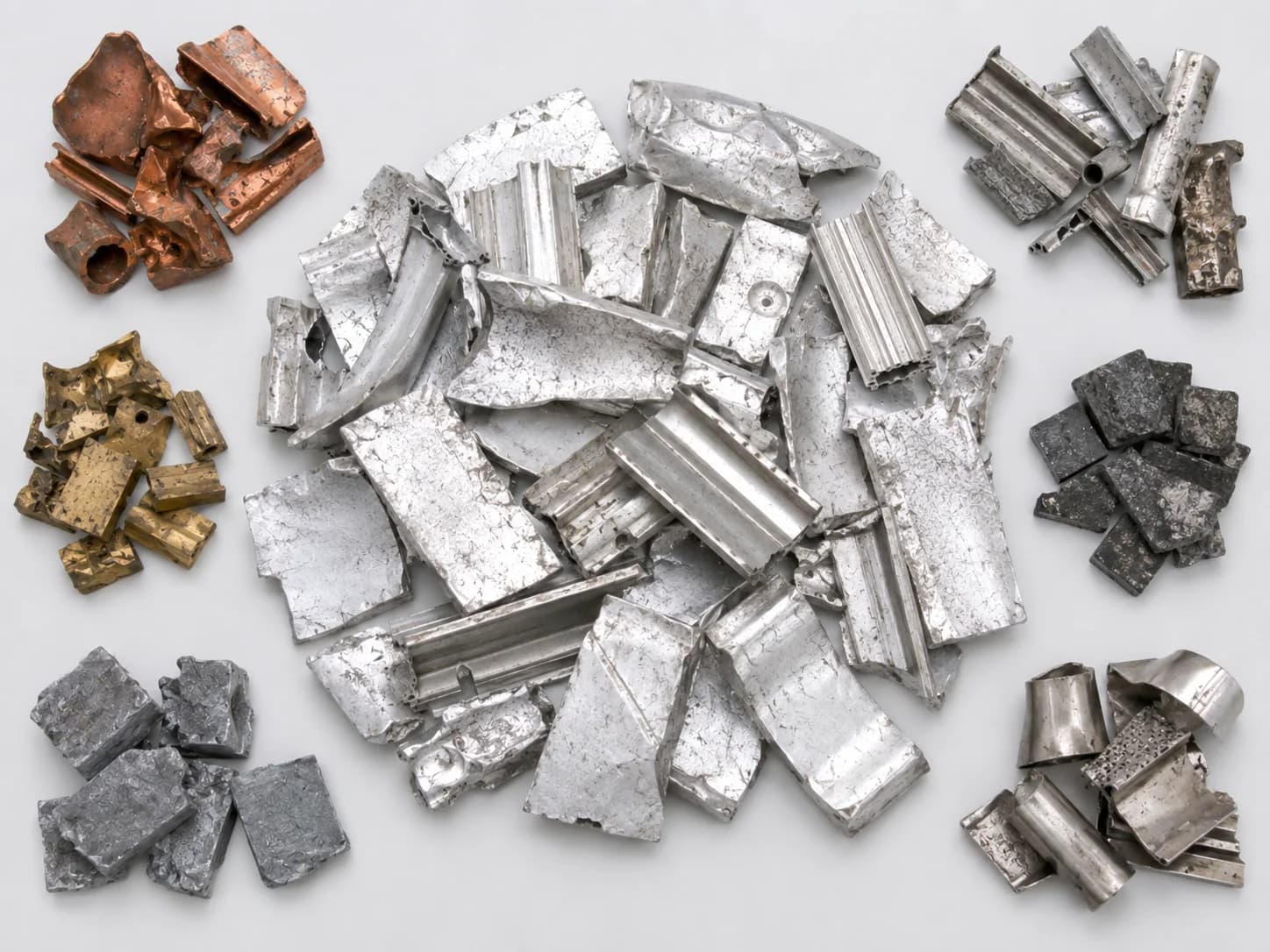
Upgrade coarse Zorba by removing heavy metal contaminants from an aluminum-rich mixed non-ferrous stream. The target is cleaner aluminum for downstream processing, with copper, brass, zinc, lead and stainless steel separated as reject or secondary fractions.
Zorba feedUpgraded aluminumCopper / brassZinc / leadStainless steel
Application 02
Aluminum remelter feed cleaning
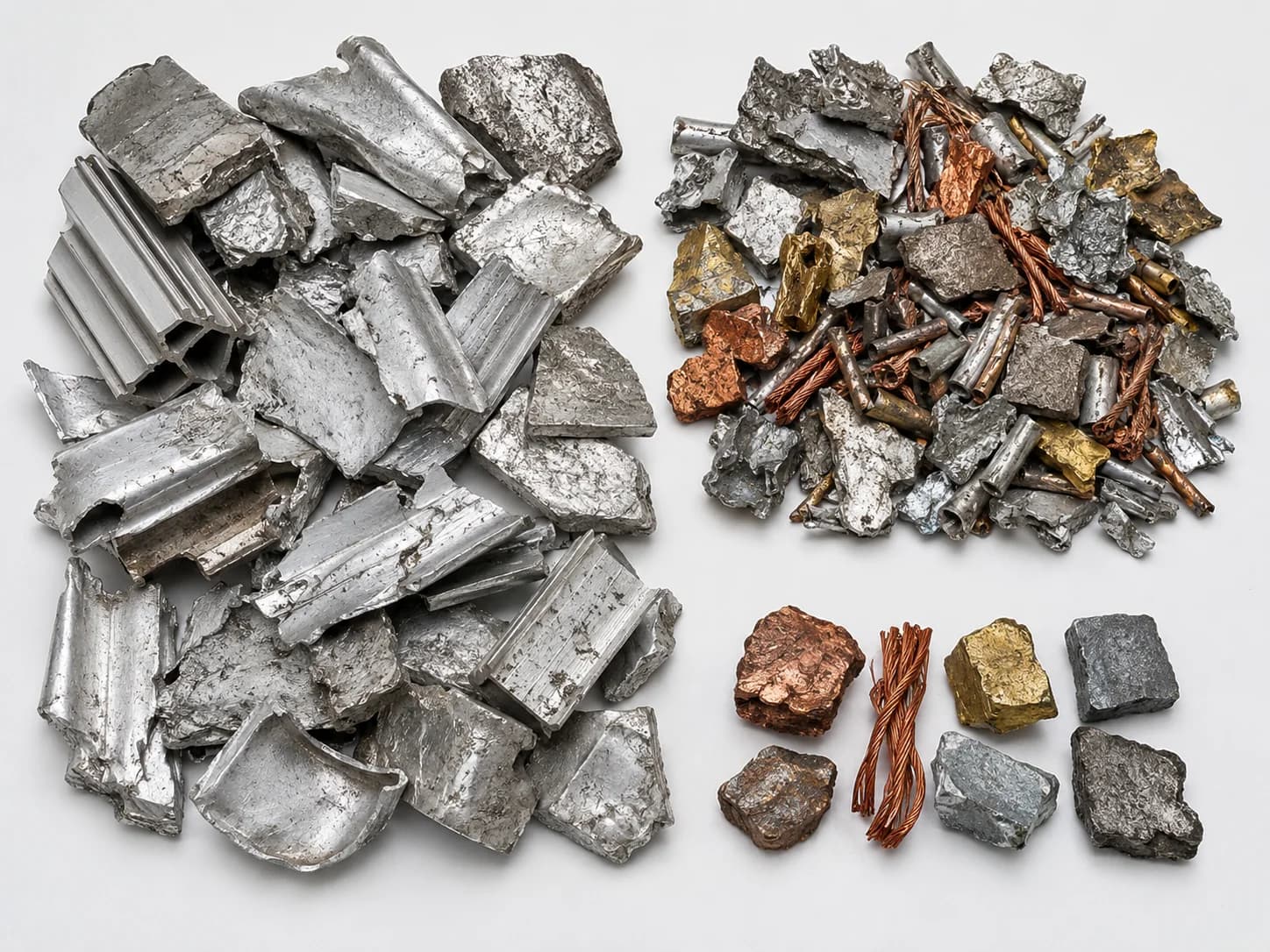
Clean aluminum scrap before remelting by reducing dense contaminants that can disturb alloy chemistry and furnace quality. Feed, reject rate and accepted aluminum range should be verified with representative samples.
Furnace-ready aluminumHeavy metal controlRemelter feedSample testing
Application 03
Cast and wrought aluminum separation
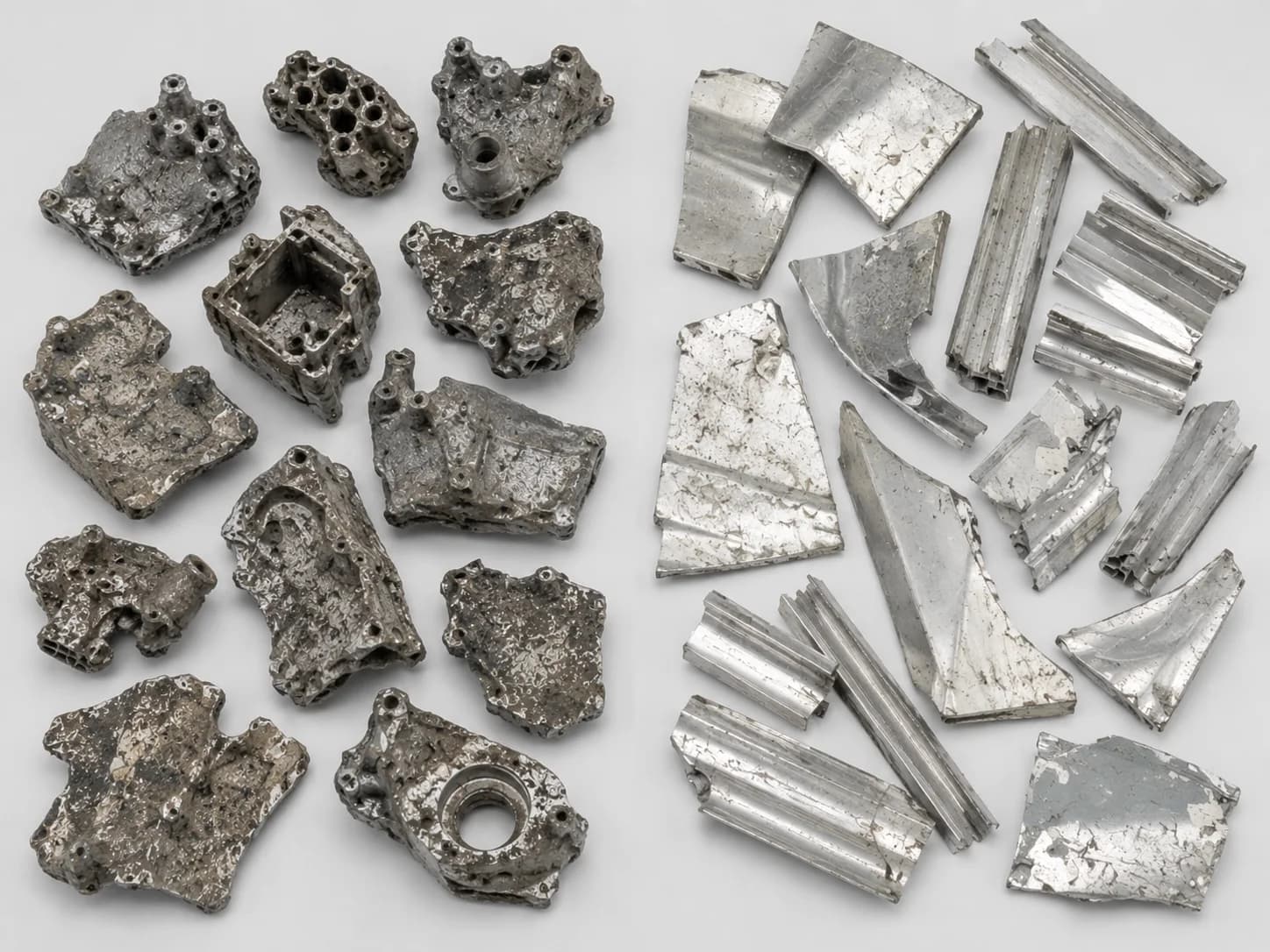
Separate aluminum scrap fractions where cast pieces and wrought pieces show different X-ray response, geometry and surface characteristics. This application must be confirmed with customer samples because alloy composition and particle shape affect performance.
Cast aluminumWrought aluminumAlloy upgradingSample-led
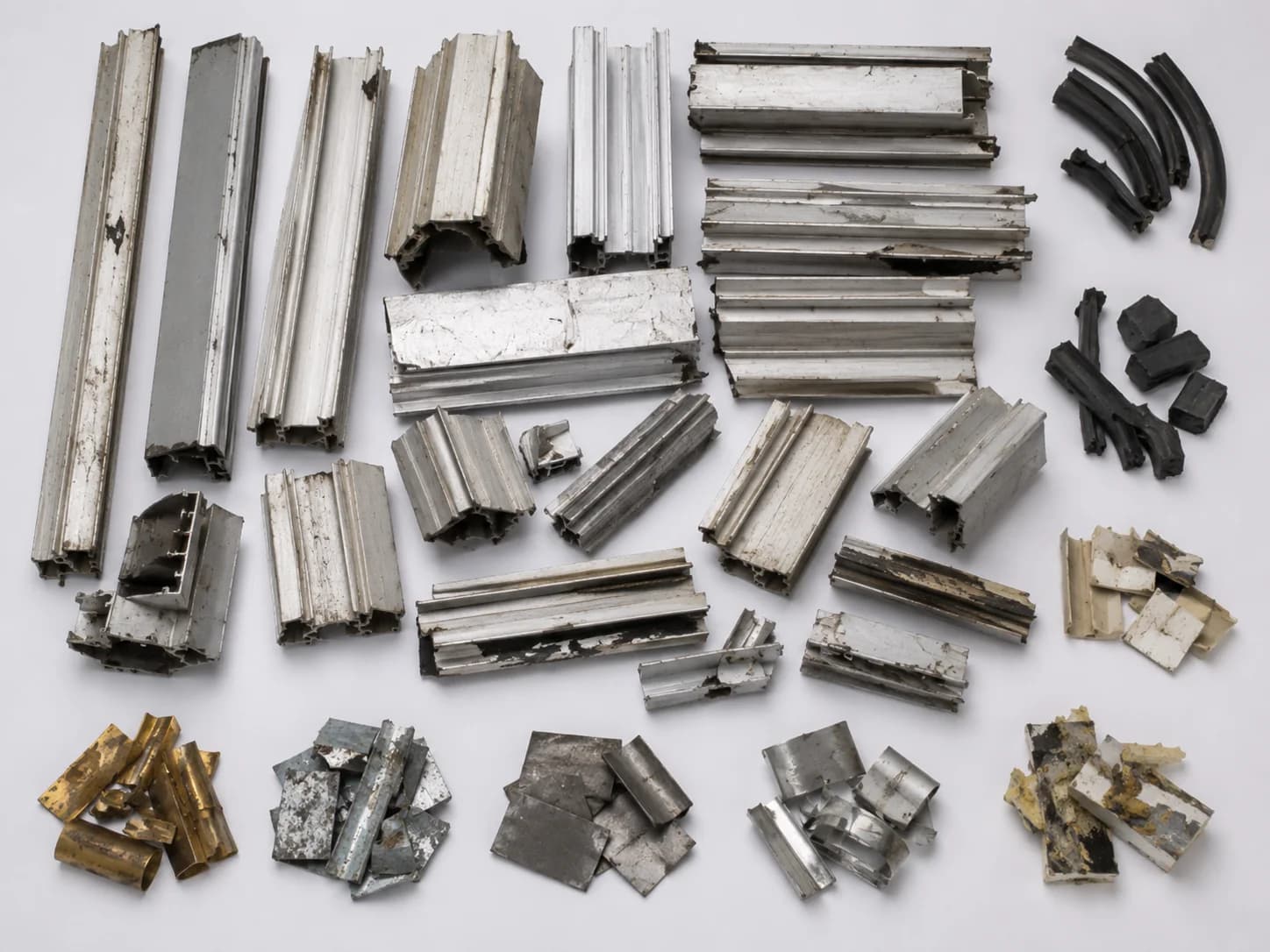
Application 04
Building window and door aluminum recycling
Upgrade post-consumer window and door aluminum scrap by removing non-aluminum materials and dense contaminants from used aluminum profiles, frame sections and renovation scrap.
Aluminum profilesWindow framesRubber gasketBrass / zincStainless steel
Coarse aluminum stream
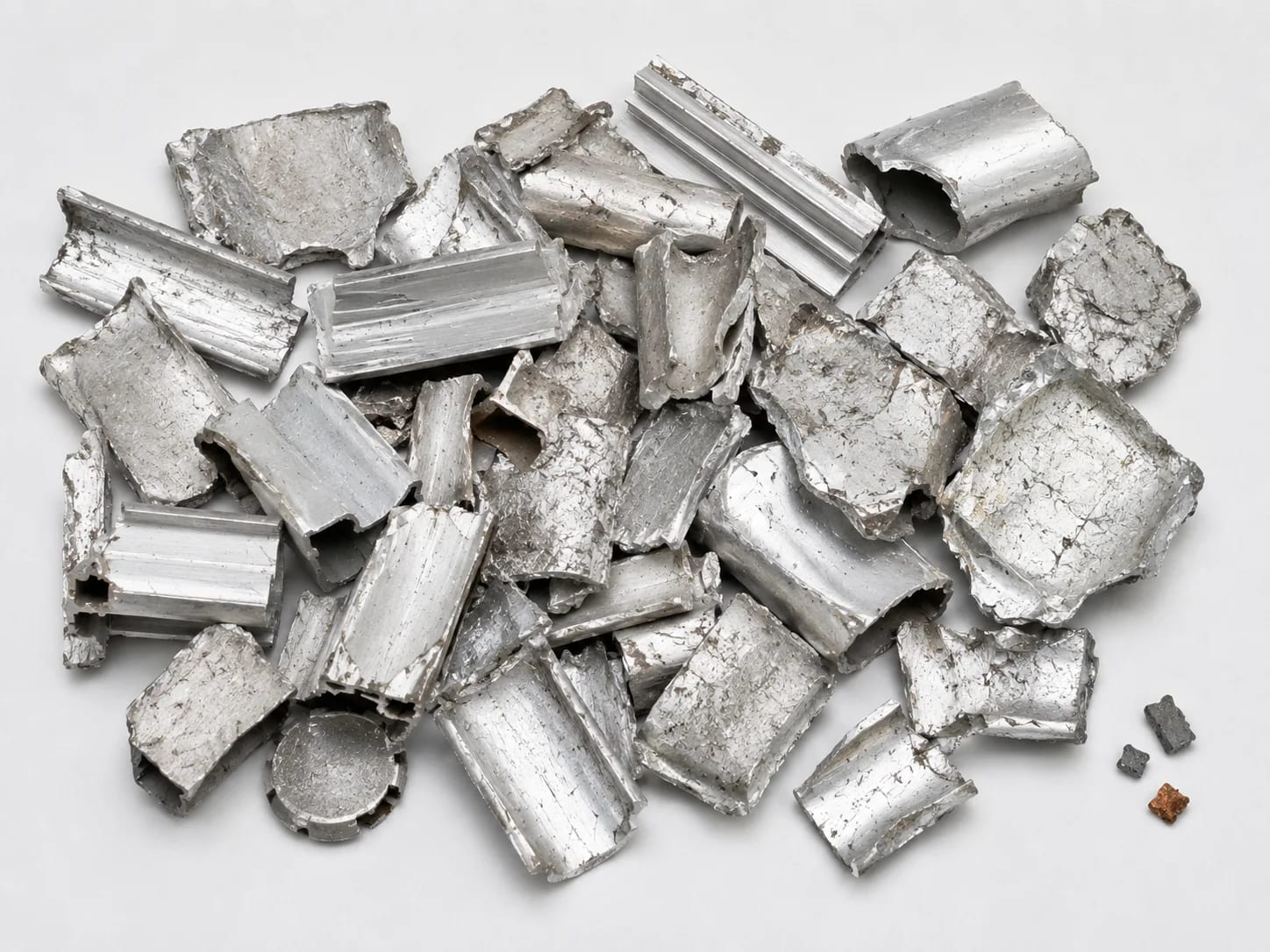
Coarse aluminum feed, upgraded aluminum and heavy metal rejects.
FR-XRT is designed around a physical sorting question: which pieces belong in the aluminum stream, and which dense contaminants must leave before downstream processing?
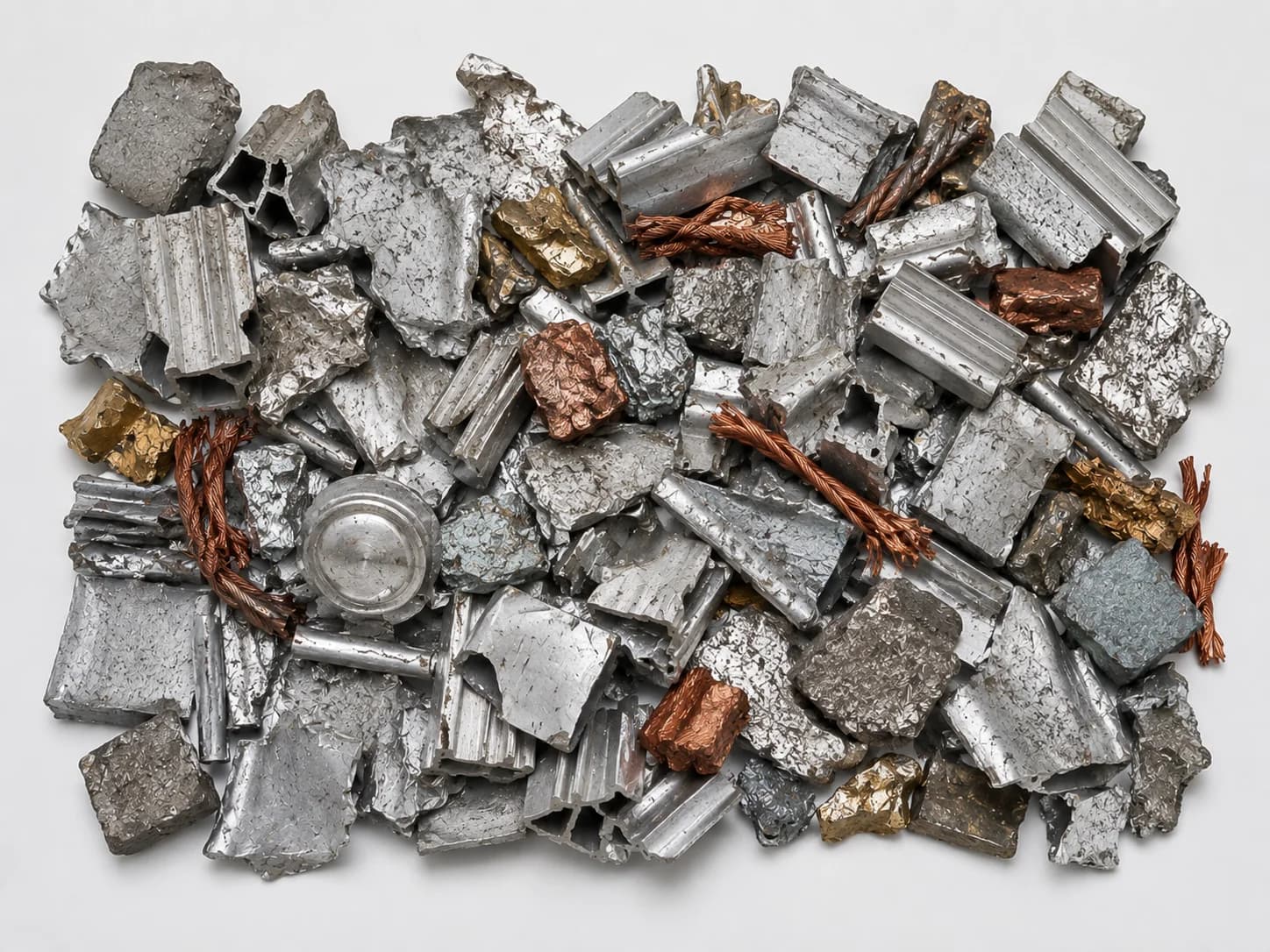
Visual examples are illustrative. Sorting performance depends on material composition, particle size, thickness, presentation, contaminant rate, selected configuration and operating conditions.
Raw materials
Aluminum-rich streams FR-XRT is built to upgrade.
Switch between common aluminum applications and show exactly what enters, what is accepted and what is removed.
Upgrading coarse aluminum-rich Zorba by removing dense heavy metals.
Incoming feed
Coarse mixed non-ferrous scrap dominated by aluminum with copper, brass, zinc, lead and stainless steel contaminants.
Accepted and reject classes are always confirmed on your representative samples before a configuration is quoted.
The platform
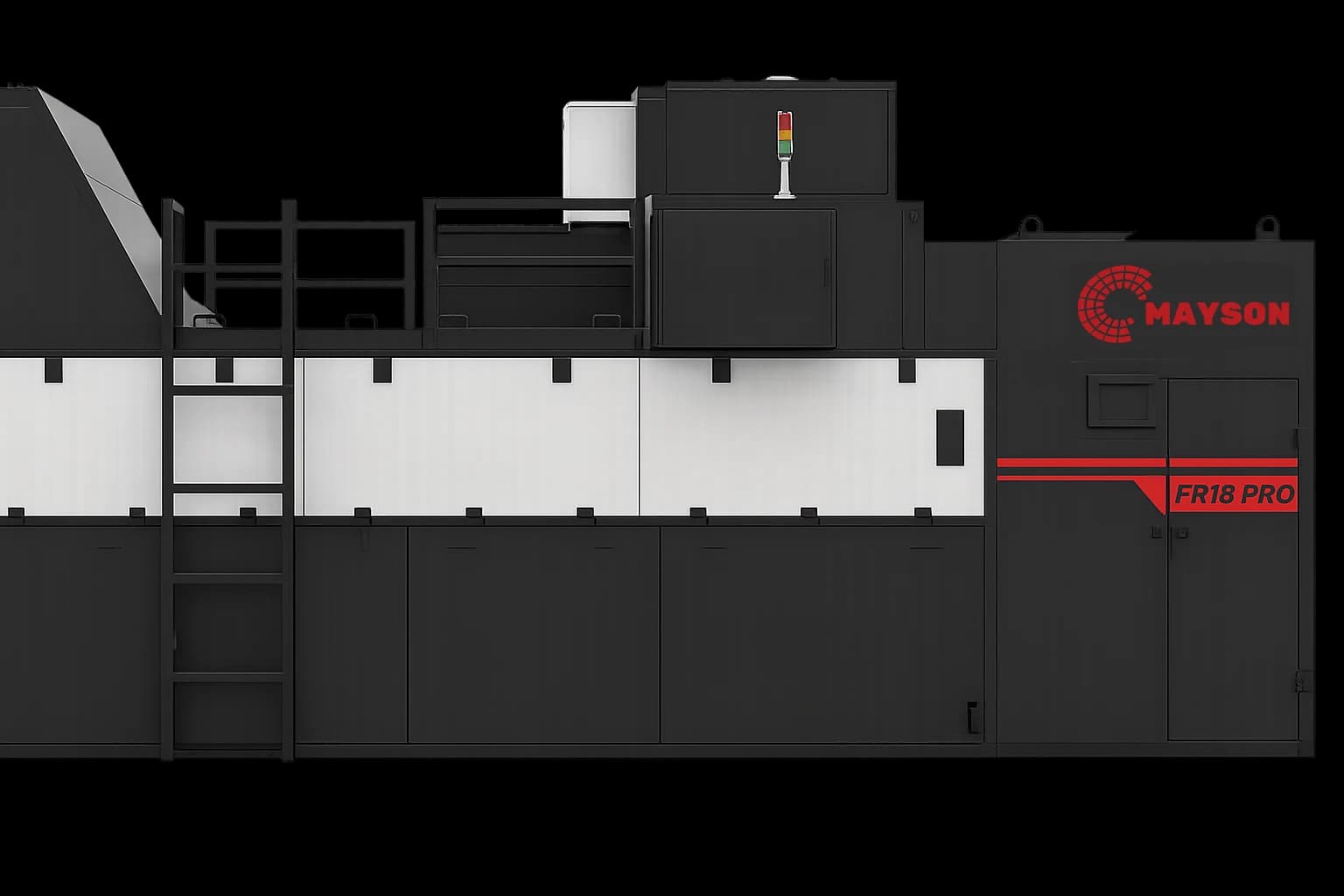
A Dual-Energy XRT platform for coarse aluminum scrap.
Stable material presentation, X-ray response analysis and precisely timed ejection are tuned to the accepted aluminum and reject classes confirmed in testing.
Dual-Energy XRTDensity and effective atomic-number response
Coarse scrapBuilt for medium-to-large belt-fed pieces
Sample-ledAccept and reject maps from customer material
ModularConfiguration planned around throughput and line layout
How it works
XRT sorting starts with real material presentation.
The useful test set includes accepted aluminum, target heavy metal rejects, borderline pieces, surface contamination and the real particle size range.
- 01Customer-prepared
Feed coarse scrap
Representative material is prepared and metered to the sorter. Particle size, thickness and surface condition affect presentation.
- 02Stable presentation
Spread into a sortable layer
Material is distributed so individual pieces can be inspected and ejected reliably rather than moving as overlapping clumps.
- 03XRT inspection
Read attenuation response
Dual-Energy XRT measures the material response associated with density and effective atomic-number differences.
- 04Sorting decision
Compare with accepted and reject classes
Each object is matched against the aluminum and contaminant classes confirmed in the sample test.
- 05Air ejection
Eject and verify
Selected contaminants are ejected while the upgraded aluminum stream continues. Both streams are checked against the customer's target.
Technical details
FR-XRT specifications.
The FR-XRT platform is specified from the customer's material, throughput target, particle size range and contaminant rate. Belt width follows the detection width; remaining mechanical and utility figures are confirmed after representative sample testing.
| Model | Belt / Detection Width (mm) | Air Consumption (m³/min) | Notes |
|---|---|---|---|
| FR12 | 1200 | 10-13 | Dual-Energy XRT |
| FR18 | 1800 | 13-17 | Dual-Energy XRT |
| FR24 | 2400 | 20-30 | Dual-Energy XRT |
Figures may vary based on material composition, particle size distribution, feed presentation, contaminant rate and selected configuration. Full mechanical and utility data are confirmed from the official specification sheet after representative sample testing.
Buyer questions
What buyers ask before specifying an FR-XRT.
Careful, sample-led answers on what FR-XRT can and cannot separate, particle size, and how a sample test becomes a configuration.
Is FR-XRT a color sorter?
No. FR-XRT is positioned around Dual-Energy X-ray transmission for density and effective atomic-number response. It is used when surface color alone is not enough to define aluminum quality.
Can FR-XRT separate aluminum from copper, brass, zinc, lead and stainless steel?
It can be configured for heavy metal removal from aluminum-rich streams, but final performance depends on representative sample testing, particle size, thickness, presentation and reject rate.
Can FR-XRT separate cast aluminum and wrought aluminum?
This application should not be promised universally. It depends on alloy composition, shape, thickness, X-ray response and the customer's real samples.
What particle size should be tested?
Use the customer's real production size range. FR-XRT should be shown as a coarse scrap sorter, not a fine-particle color sorter. Recommended particle size must come from the supplied technical data.
Can rejected heavy metals be re-sorted?
A second pass or secondary sorting route may be reviewed depending on the value of the reject stream, contamination level and recovery target.
Do we need a sample test before quotation?
Yes. The configuration should be built from accepted aluminum, target rejects, borderline pieces and the real size distribution.
Online preview
Preview your aluminum stream before a machine test.
Use the visual preview to discuss likely accepted aluminum, heavy metal rejects and borderline pieces before sending real material.
Preview material onlineReal sample testing
Use your own aluminum scrap before finalizing the sorting direction.
An FR-XRT project should start from real coarse aluminum-rich material plus the dense contaminant classes that must be removed.
Request a FR-XRT test