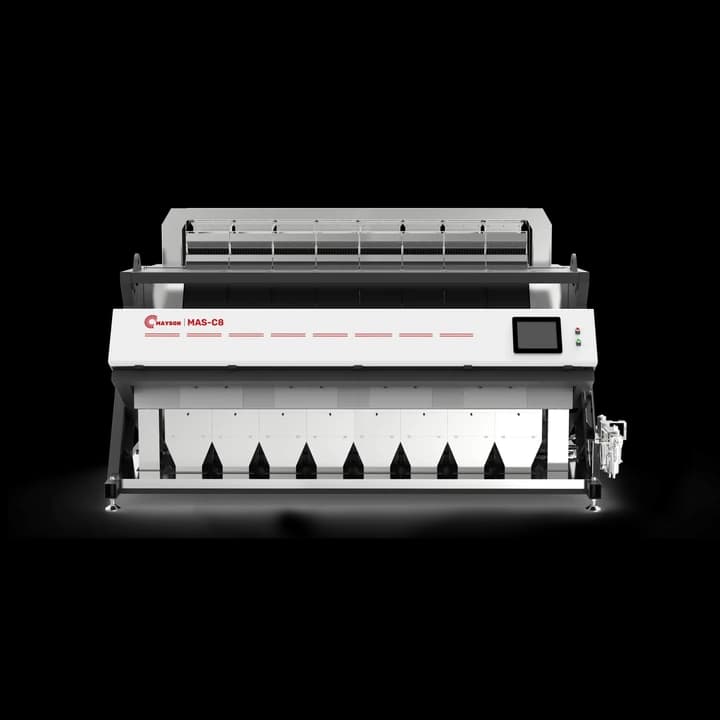
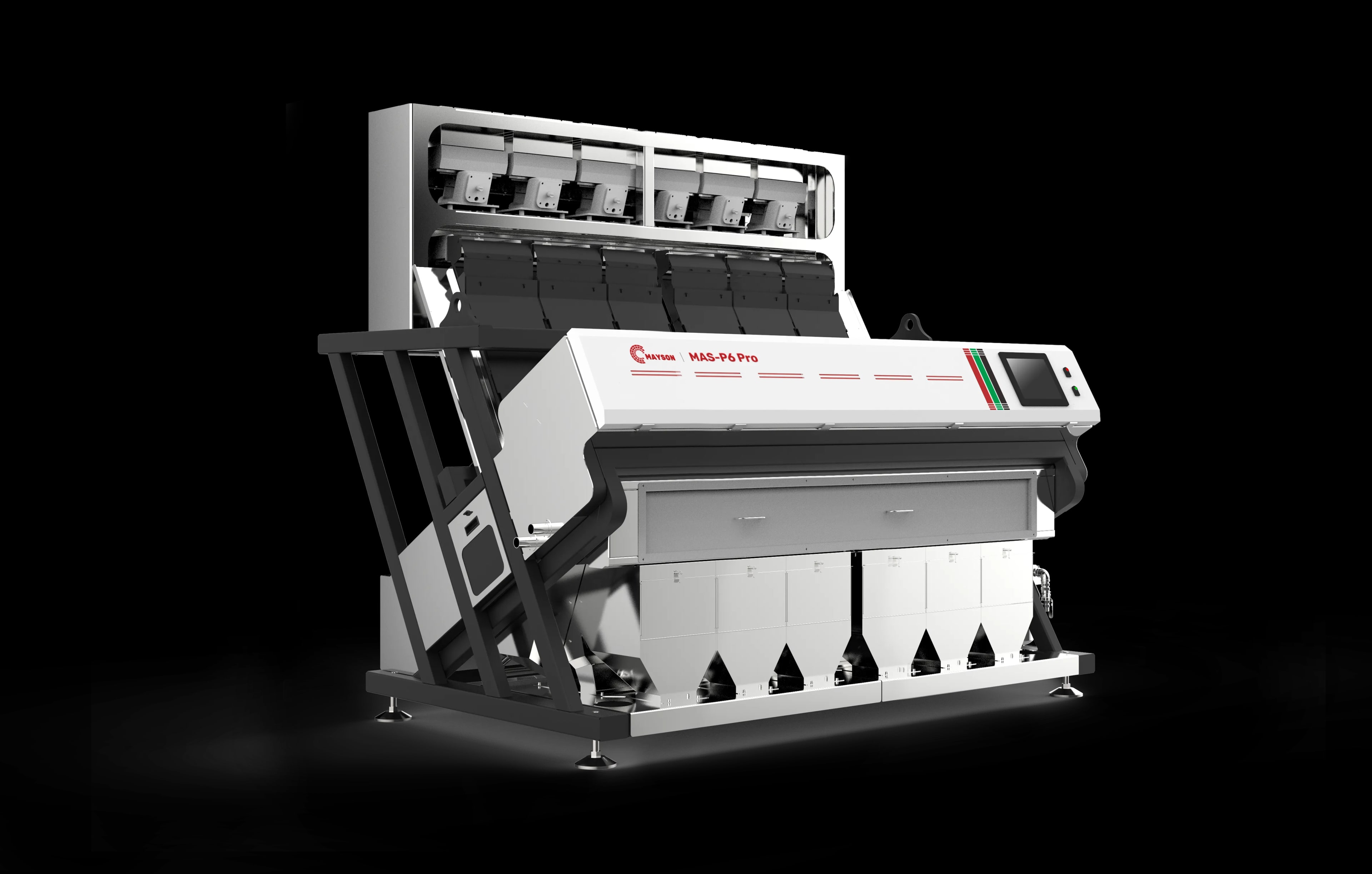
MAS-P PRO3D ADVANCED MATERIAL SORTING
Advanced Material
Sorting for Difficult
Rigid Polymers
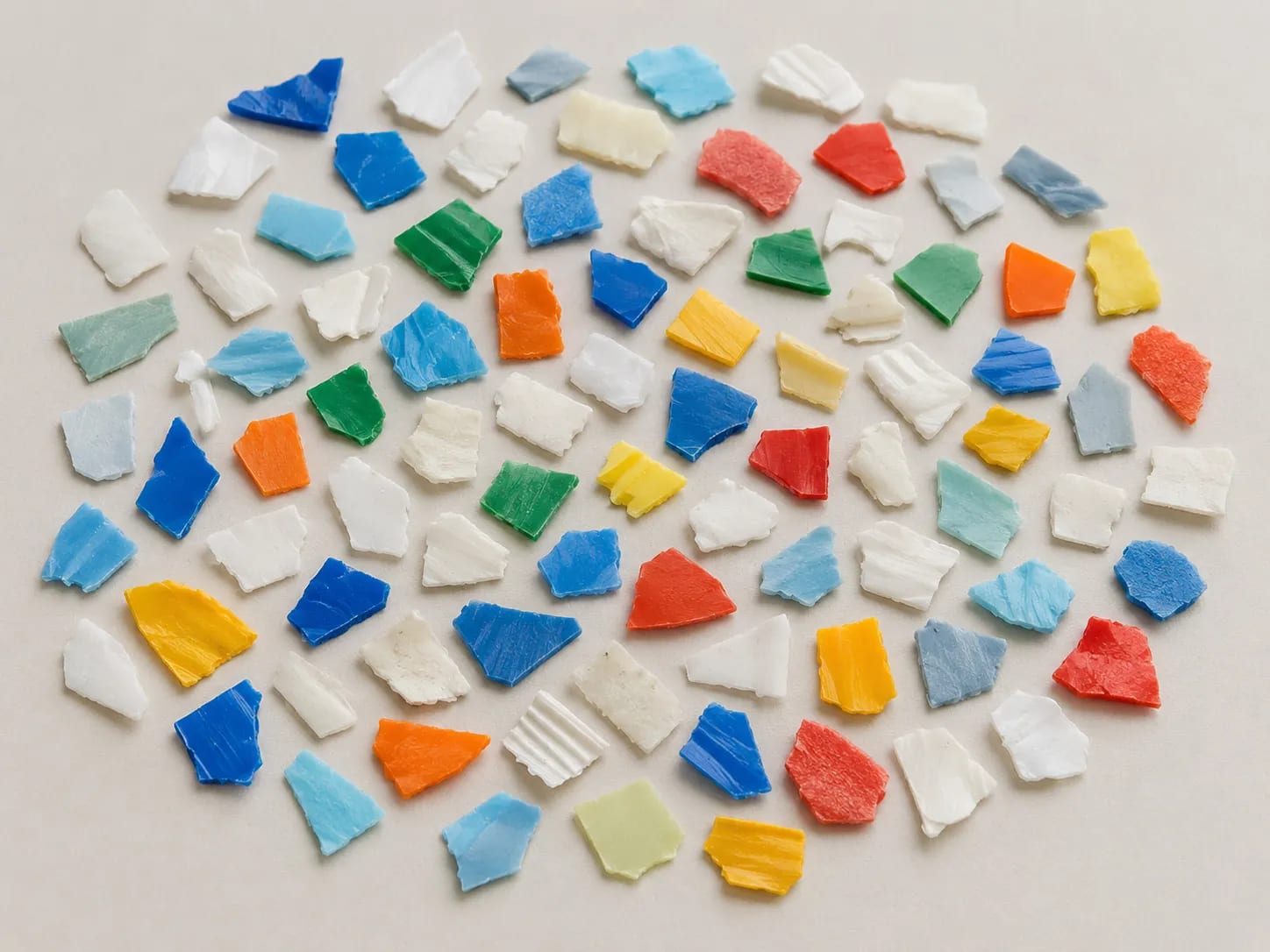
MAS-P Pro goes beyond conventional PET purification. Using material recognition and multi-spectral analysis, it accurately separates visually similar rigid flakes such as PP, PE, ABS, PS, PC and PMMA with exceptional precision and minimal loss.
Advanced Material SortingRigid Flakes OnlyBeyond PETPP / PE / ABS / PC / PMMA
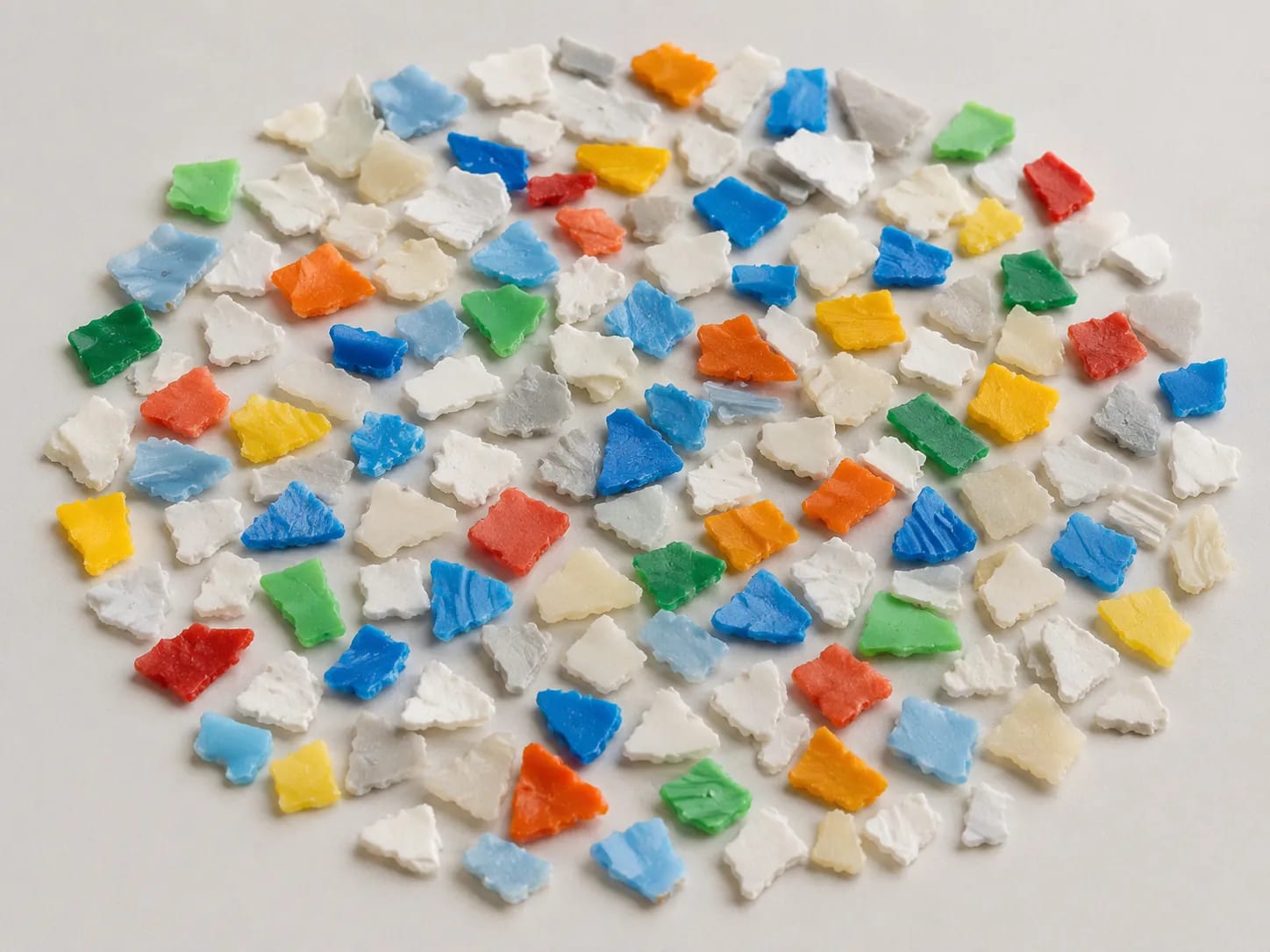
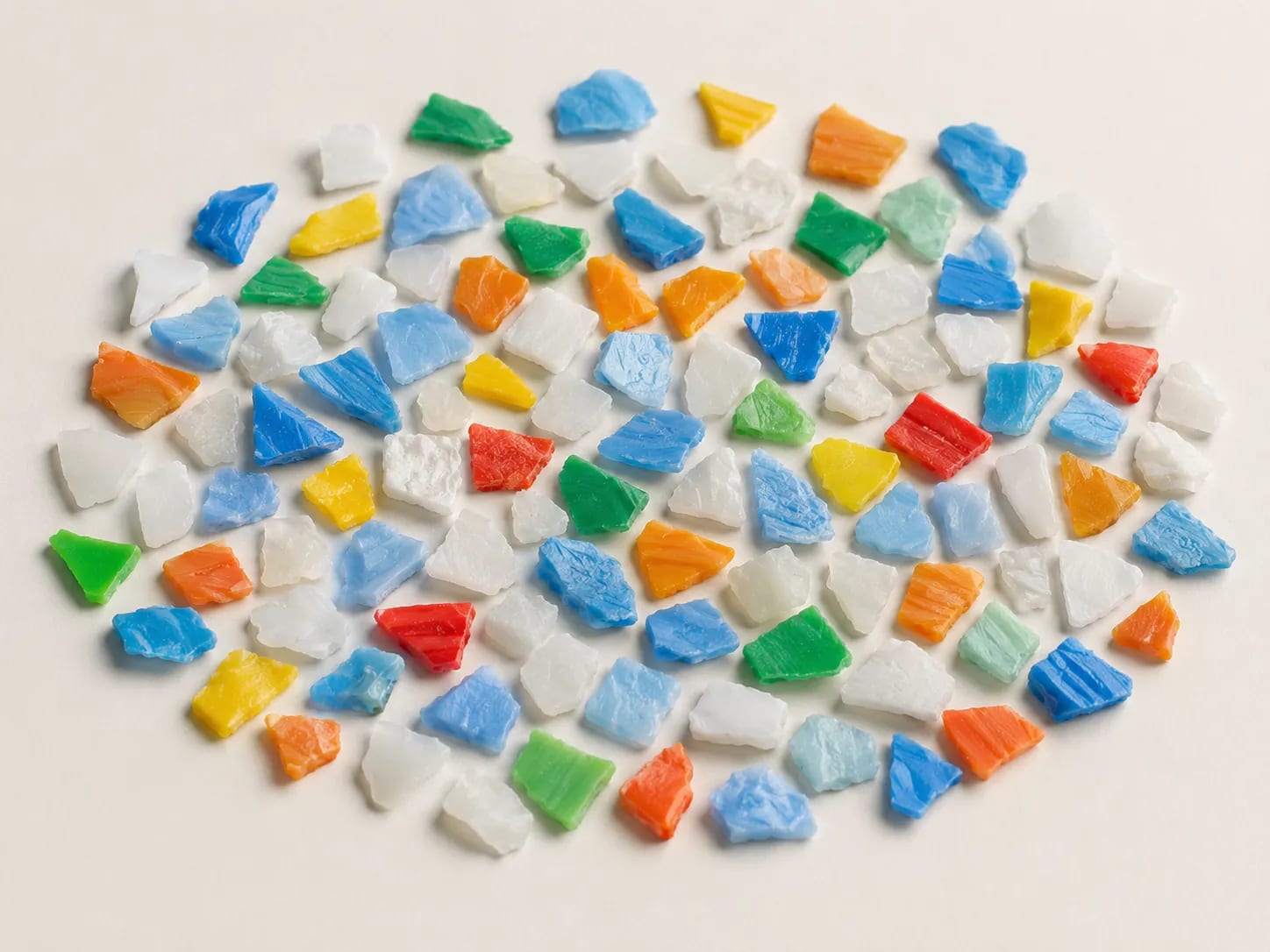
Material Recognition Workflow
Material Identification
- PP
- PE
- ABS
- PS
- PC
- PMMA
01
Feed
Consistent rigid flake feed with controlled flow and spacing.
02
Identify
Material recognition and multi-spectral analysis identify material signatures with high accuracy.
03
Accept / Reject
High-speed ejection ensures clean separation with minimal loss.
Problem / Fit
Use MAS-P Pro when one-dimensional sorting is not enough.
MAS-P Pro is built for complex mixed-polymer streams where visually similar polymers — PP, PE, ABS and more — must be separated by material type, not just visible color.
Suitable input form
- Rigid flakes and regrind
- Clean, dry, free-flowing feed
- Feed size assessed per sample
Typical challenge
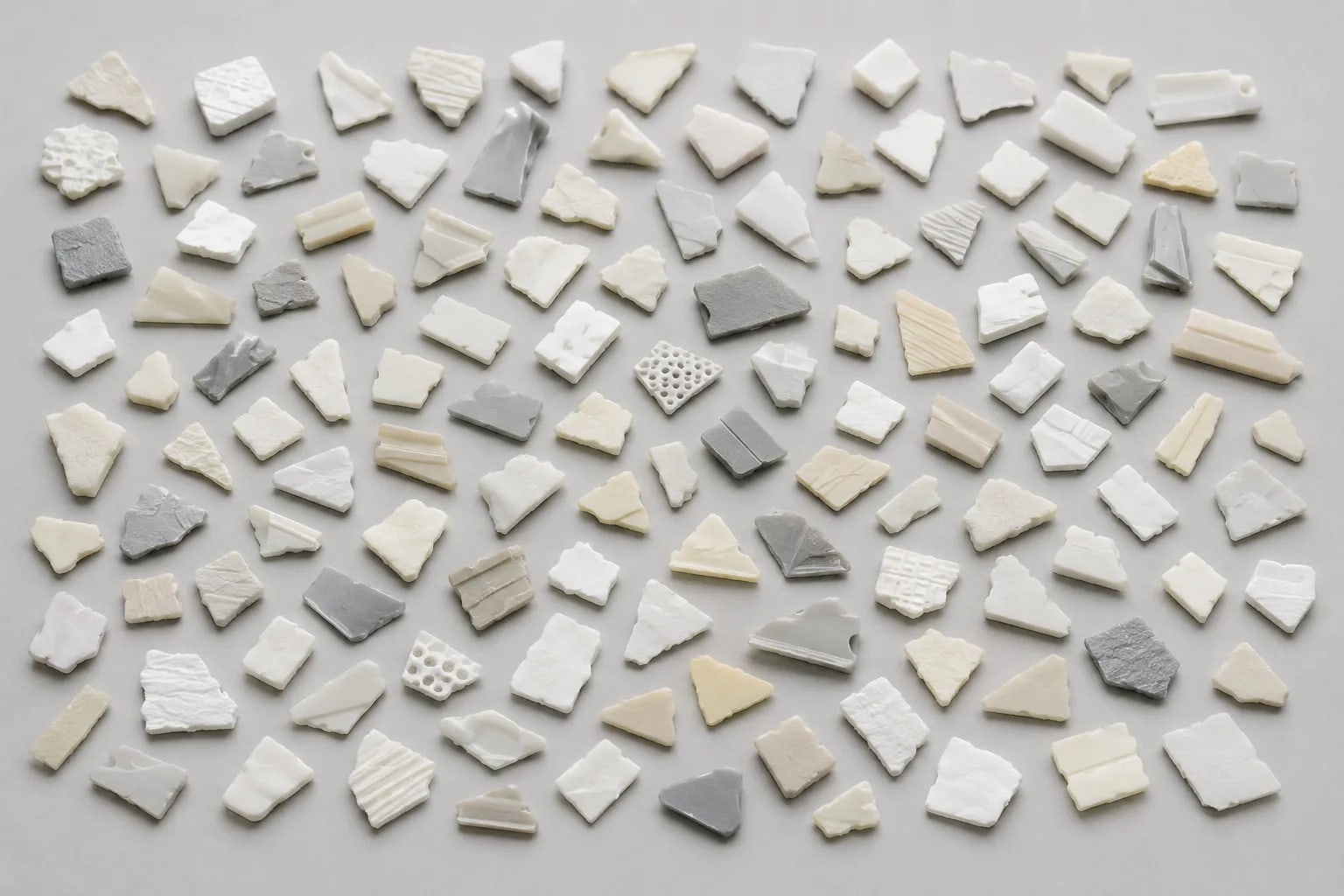
PP, PE, PS, ABS, PC and PMMA can look similar after preparation, especially in white, milky or transparent streams.
Why color alone is not enough
A color-correct piece can still be the wrong polymer. MAS-P Pro combines material recognition with multi-spectral analysis.
Out of scope
Not designed for film, pellets, powder, liquids or whole bottles.
Evaluation note
Performance depends on material condition, target defects and representative sample testing.
Best fit materials
- PP
- PE
- PS
- ABS
- PVC
- PET
- PC
- PMMA
 MAS-P PRO
Material recognition workflow built for difficult rigid polymers.
MAS-P Pro integrates material recognition and multi-spectral analysis in a unified workflow to accurately separate visually similar rigid polymer flakes and deliver high-purity results.
- 01
3D material recognition
Capture precise material features.
- 02
Multi-spectral analysis
Capture material signatures across multiple wavelengths.
- 03
Data decision model
Decision logic fuses multi-feature data for confident prediction.
- 04
Material identification
Identify polymer type and grade.
Material + Spectral Fusion
Utilizes spectral cues for robust recognition.
Driven by Optimized Programs
Decision-making is driven by optimized algorithms.
Proven in Production
High accuracy on mixed, colored, contaminated feeds.
01 Feed
Consistent rigid flake feed with controlled flow and spacing.
02 Identify
Material recognition and multi-spectral analysis identify material signatures with high accuracy.
03 Accept / Reject
High-speed ejection ensures clean separation with minimal loss.
Spectral recognition
Click a polymer to see its representative NIR response.
MAS-P Pro combines material recognition with multi-spectral analysis. These representative profiles illustrate how visually similar rigid flakes can present distinct NIR responses across the 900–2500 nm range.
Spectral Response
Wavelength range900 – 2,500 nmResolution~5 nmReflectance unitsArb. units (a.u.)CurveRepresentative profile
Application Scenarios
Representative material challenges for MAS-P Pro.
These scenarios look visually similar but require stricter material decisions and representative sample validation.
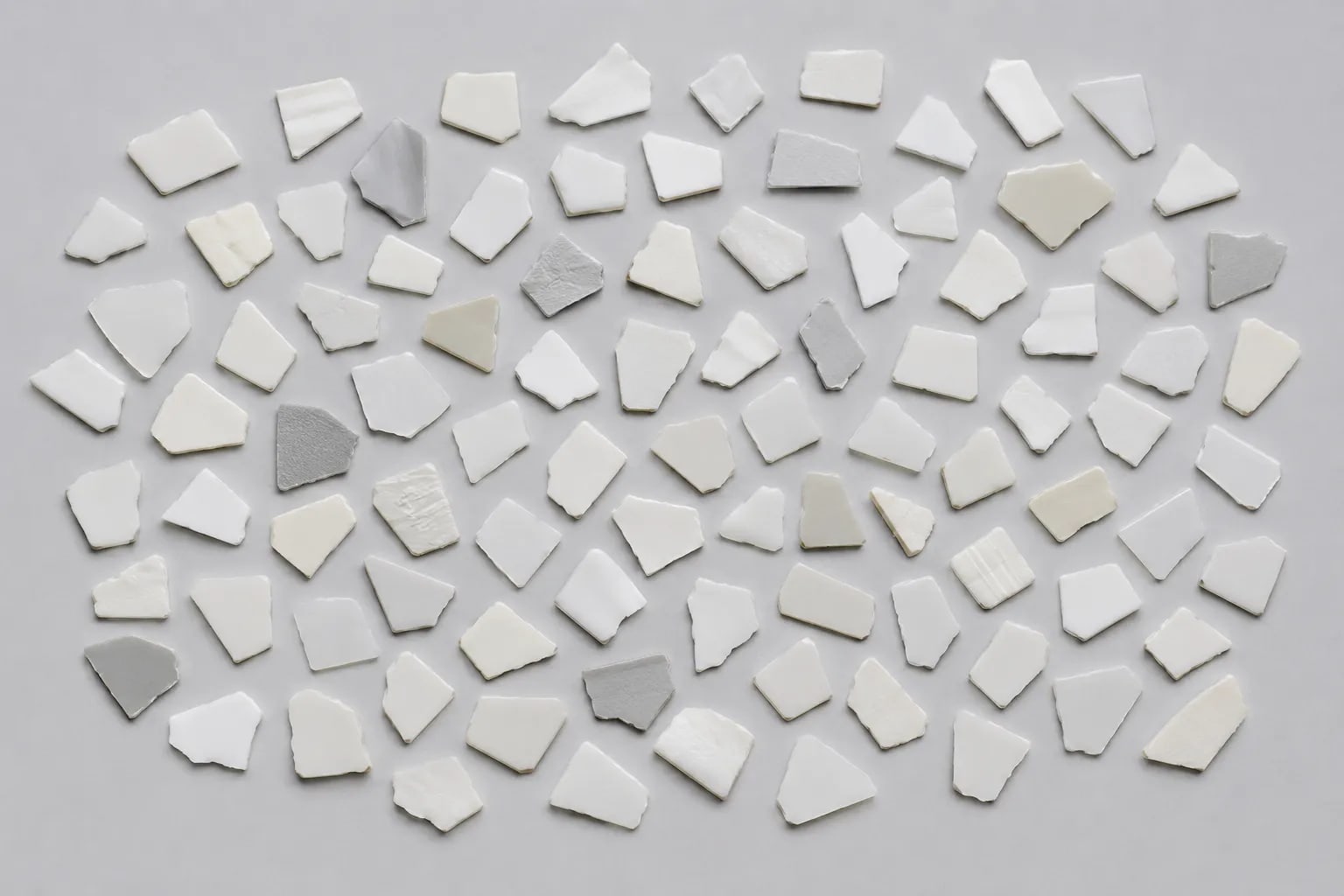
Mixed Polyolefins (PP / PE)
Challenge: PP and PE flakes can share a white or milky appearance while requiring different recovery paths.
Sorting objective: Separate PP from PE after sample-led recipe validation.
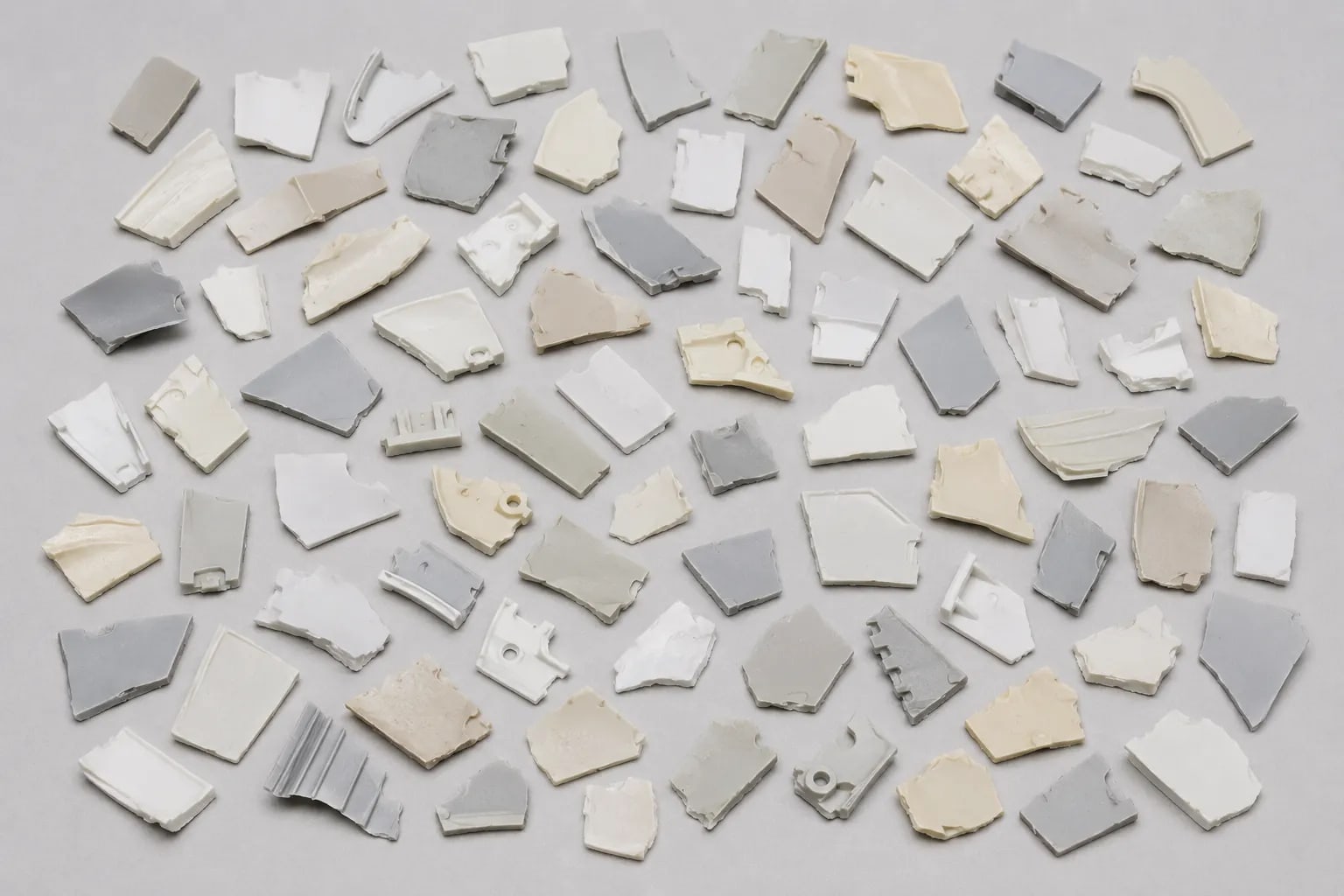
Neutral Engineering Plastics (ABS / PS)
Challenge: ABS and PS can overlap visually in neutral-color rigid fragments.
Sorting objective: Evaluate material class and route target polymers with controlled loss.
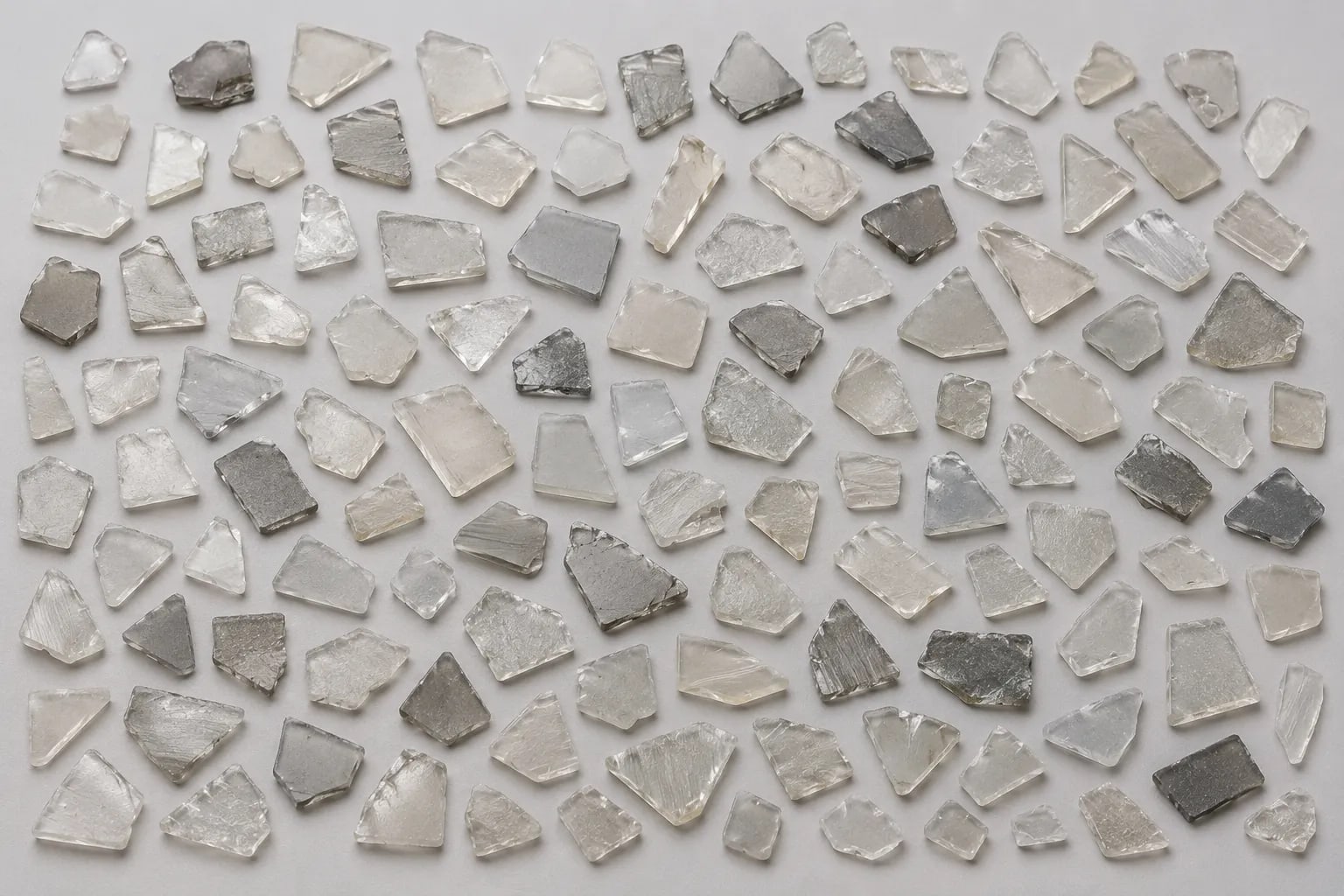
Transparent Rigid Mix (PC / PMMA)
Challenge: PC, PMMA and other clear plastics are difficult to distinguish by appearance.
Sorting objective: Use material-response references for transparent and smoky rigid fragments.
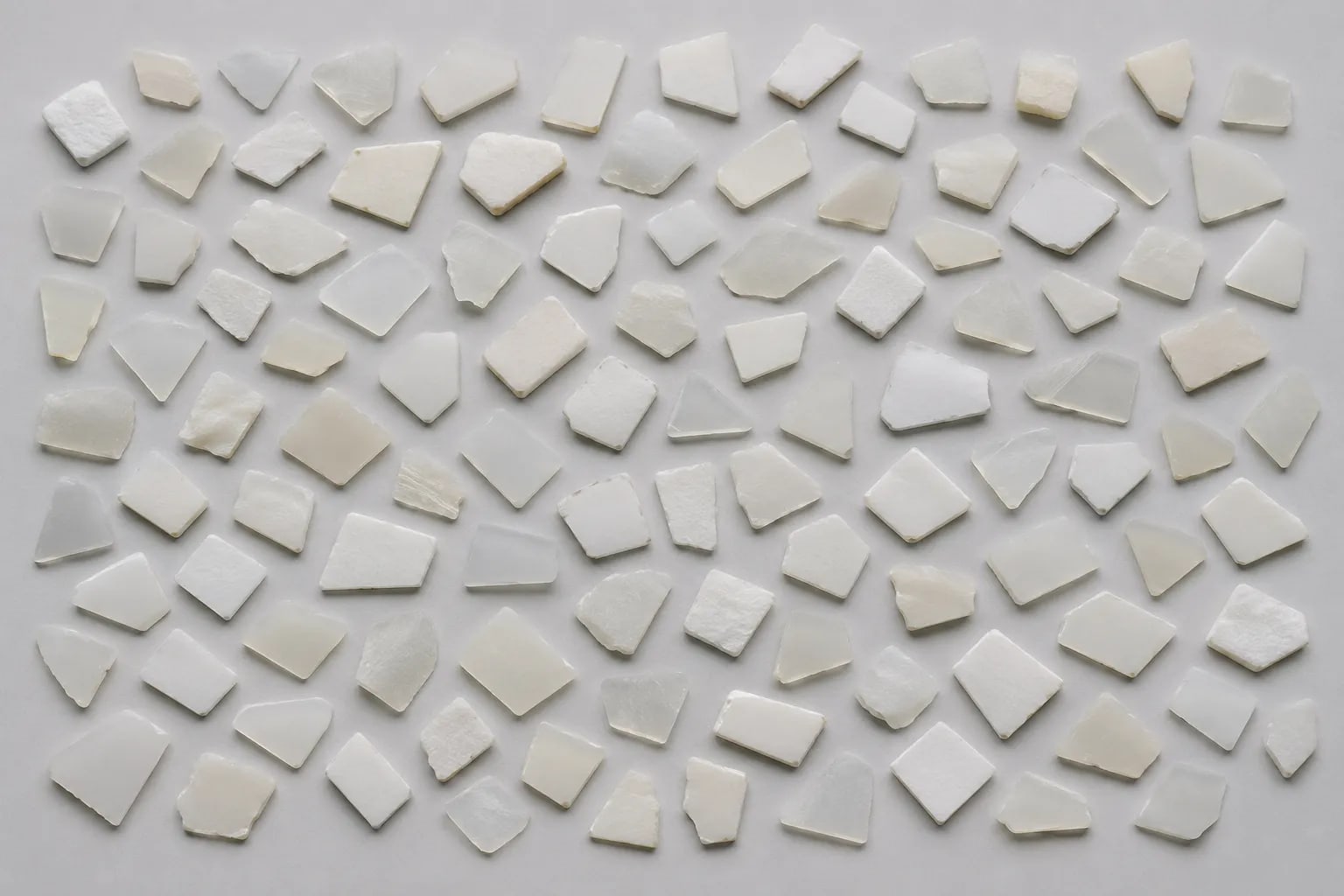
White / Milky Polymer Feed
Challenge: White and translucent pieces can hide polymer differences after washing and drying.
Sorting objective: Build a screened sample set around accepted, rejected and borderline materials.
Why it matters
Material recognition keeps decisions stable when color alone is not enough.
Visual similarity is only the beginning. MAS-P Pro combines material recognition and multi-spectral analysis to make consistent decisions where color-only sorting struggles.
Sorting scope
What MAS-P Pro can and cannot sort.
MAS-P Pro is an advanced material sorter for difficult rigid polymer flakes — material identity is the sorting decision. If the same stream also needs visible color cleanup or black-flake rejection, review MAS-PC Pro.
MAS-P Pro can evaluate
- PP vs PE rigid flakes, and PP-rich or PE-rich hard plastic streams
- ABS vs PS / HIPS rigid fragments
- PC vs PMMA transparent or smoky rigid pieces
- PBT, POM, PA, SAN / AS and other confirmed rigid polymer classes
- PET when the material decision is beyond standard PET purification
- Multi-material rigid flake streams after sample-led recipe validation
MAS-P Pro is not for
- Color-only sorting — use MAS-C
- Simple PET vs non-PET purification — MAS-P is enough
- Black polymer identification by NIR alone — remove black with MAS-C, or use MAS-PC Pro
- Whole bottles — use MAS-B / MAS-B Pro
- Plastic pellets or granules — chute-type limitation — pellets bounce
- Soft film, powder or liquids — not suitable for air-jet sorting
Black plastic + NIR
Can MAS-P Pro sort black plastic by material?
Not by NIR material recognition alone. Black plastic absorbs NIR light, so MAS-P Pro is not a direct black-polymer material sorter. If black flakes are present, remove them first with MAS-C color sorting, or use MAS-PC Pro, which rejects black as a visible color class before performing material sorting on the remaining non-black stream.
Compare
MAS-P, MAS-P Pro and MAS-PC Pro: which do you need?
MAS-P Pro sorts difficult polymers by material; MAS-PC Pro adds color sorting to the same material recognition. Match your task to the right platform — confirmed on a representative sample.
| Your sorting task | Recommended platform |
|---|---|
| PET vs non-PET purification (PET flakes) | MAS-P |
| PP vs PE, ABS vs PS, PC vs PMMA (material) | MAS-P Pro |
| Difficult polymer separation + color / black cleanup | MAS-PC Promaterial + color combination |
| Color, black or off-color flakes only | MAS-C |
| Remove black flakes before NIR material sorting | MAS-Cor MAS-PC Pro |
| Whole bottles by material before shredding | MAS-B Pro |
MAS-P Pro vs MAS-PC Pro: choose MAS-P Pro when the main decision is polymer material identity. Choose MAS-PC Pro when the same difficult polymer stream also needs visible color sorting, black-flake rejection or color-grade control — it combines MAS-P Pro material recognition with color sorting in one platform.
Machine anatomy
A complex material sorting direction for prepared flakes.
Exact sensor stack, optical layout and model configuration require Mayson engineering confirmation.
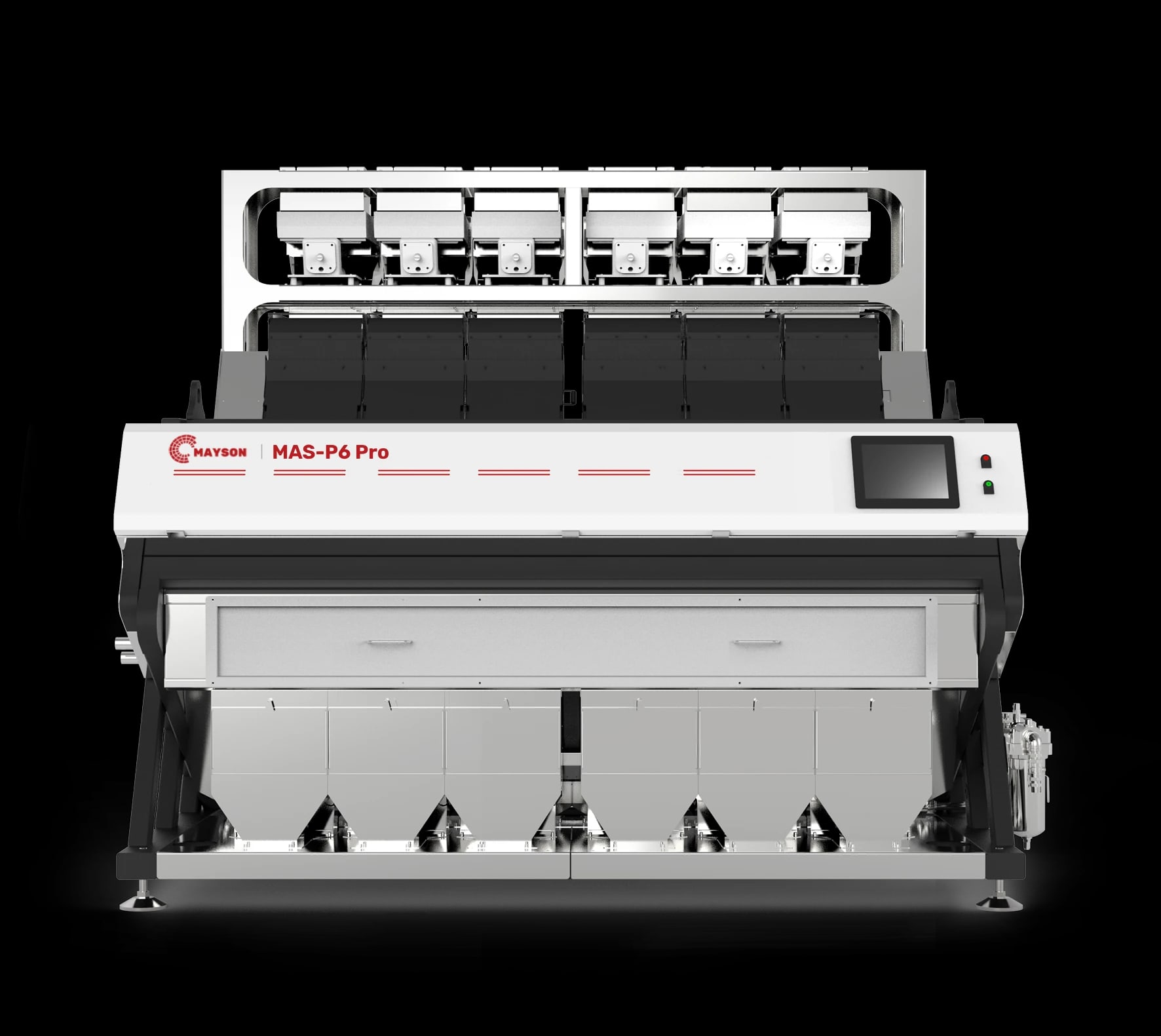
Material presentation
A consistent layer of prepared flakes is needed before any advanced decision can be useful.
Multi-feature recognition
The public page describes multi-spectral recognition direction without naming unconfirmed sensor principles.
Reject control
Reject paths should be planned around target material class and output review.
Technical details
MAS-P Pro (3D) polymer sorter specifications.
The MAS-P Pro series keeps the same channel structure while adding the advanced material-recognition direction for difficult rigid-polymer streams.
| Module (channels) | Length (mm) | Width (mm) | Height (mm) | Weight (kg) | Power (kW) | Capacity (T/H) | Air (m3/min) |
|---|---|---|---|---|---|---|---|
| P3 | 2150 | 1928 | 2385 | 1150 | 3.5 | 0.8-1.5 | <2 |
| P4 | 2150 | 1928 | 2585 | 1250 | 3.5 | 1.5-2 | <2 |
| P5 | 2825 | 1928 | 2385 | 1750 | 5.5 | 2-4 | <3 |
| P6 | 2825 | 1928 | 2385 | 2150 | 5.5 | 2.5-4 | <3 |
| P7 | 3518 | 1928 | 2385 | 2250 | 6.5 | 3-5 | <4 |
| P8 | 3518 | 1928 | 2385 | 2350 | 6.5 | 3-6 | <4 |
** Figures may vary based on contaminant rates.
Buyer Questions
Questions to answer before finalizing the configuration.
These questions replace the previous FAQ set and keep capability wording tied to sample validation.
What can MAS 3D separate?
MAS 3D separates mixed rigid polymers by type — PP, PE, ABS, PS, PC, PMMA and more — using multi-spectral NIR recognition. It handles the harder look-alike separations, such as PP vs PE, that a standard PET sorter cannot. It is a material sorter; when a line also needs color sorting, MAS 3D pairs with MAS-C, or combines both as MAS-PC Pro.
Is MAS 3D the same as MAS-P Pro?
Yes. MAS 3D is the product name for the MAS-P Pro multi-spectral polymer sorter — the enhanced material-recognition version of MAS-P, available in general-purpose and single-polymer configurations.
Can MAS 3D sort PP, PE, ABS, PC and PMMA?
Yes — that is what it is built for. Its multi-spectral NIR recognition separates harder polymer mixes such as PP vs PE and PP/PE/ABS that a standard PET sorter cannot. Exact results depend on material, additives and contamination and are confirmed by a sample test.
How is MAS 3D different from MAS-P?
MAS-P handles PET purification (PET vs non-PET). MAS 3D goes further, separating non-PET polymers from each other — PP vs PE, PP/PE/ABS mixes — with multi-spectral recognition. Both sort by material; adding color sorting is the MAS-C pairing or the MAS-PC Pro combination.
Can MAS 3D handle black plastic?
NIR cannot identify black plastic, which absorbs the signal. A color-sorting step removes black first; MAS 3D then separates the remaining colored flakes by polymer type.
Is MAS-P Pro (MAS 3D) a color sorter?
No. MAS-P Pro is primarily a material sorter for difficult rigid polymers. If the project also needs color sorting, black-flake rejection or color-grade cleanup, review MAS-PC Pro, which adds color sorting to the same material recognition.
When should I choose MAS-PC Pro instead of MAS-P Pro?
Choose MAS-PC Pro when the same difficult polymer stream needs both material separation and visible color sorting — for example PP/PE or ABS/PS separation plus removal of off-color, yellowed or black pieces. MAS-PC Pro combines MAS-P Pro material recognition with high-speed color sorting in one platform.
Can MAS-P Pro separate ABS and PS?
Yes. ABS and PS rigid fragments can be evaluated as target material classes, which is useful because they often overlap visually. Final performance depends on material condition, additives, color and representative sample testing.
Is MAS-P Pro for plastic pellets or soft film?
No. MAS-P Pro is a chute-type platform for rigid flakes or fragments. Pellets bounce in the chute and soft film is too light for stable air-jet ejection, even after shredding — a physical handling limit, not only a recognition one.
Is MAS-P Pro for whole bottles?
No. Whole bottles are sorted by MAS-B or MAS-B Pro before shredding. MAS-P Pro works on prepared rigid flakes or fragments after size reduction.
Sample Review
Preview your mixed-polymer sample direction
Start with photos and material notes so the target and reject streams can be discussed before a formal test.
Preview Your Material SampleReal Machine Test
Request a real mixed-polymer sorting test
Confirm the final configuration with representative rigid flake samples.
Request a Real Material Test