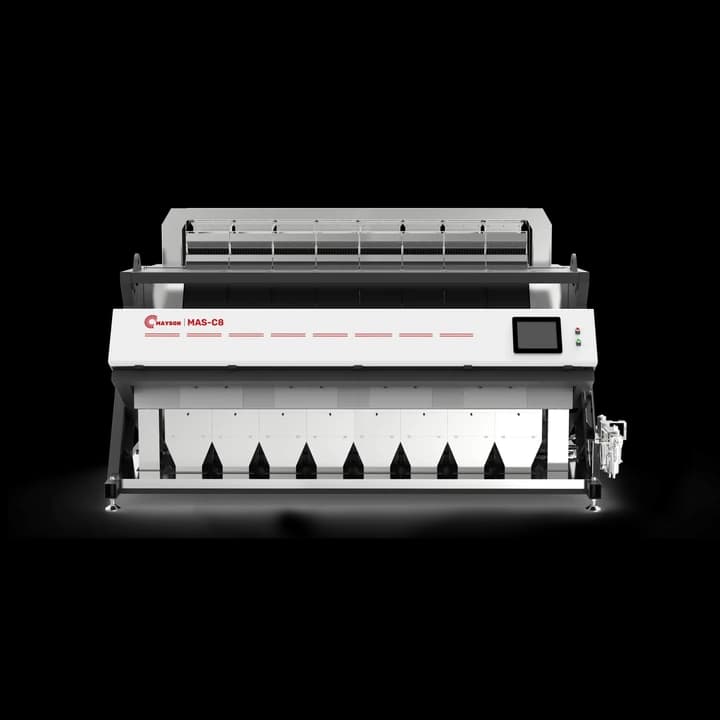
MAS-PPET MATERIAL SORTING SERIES
High-Purity PET
Material Sorting
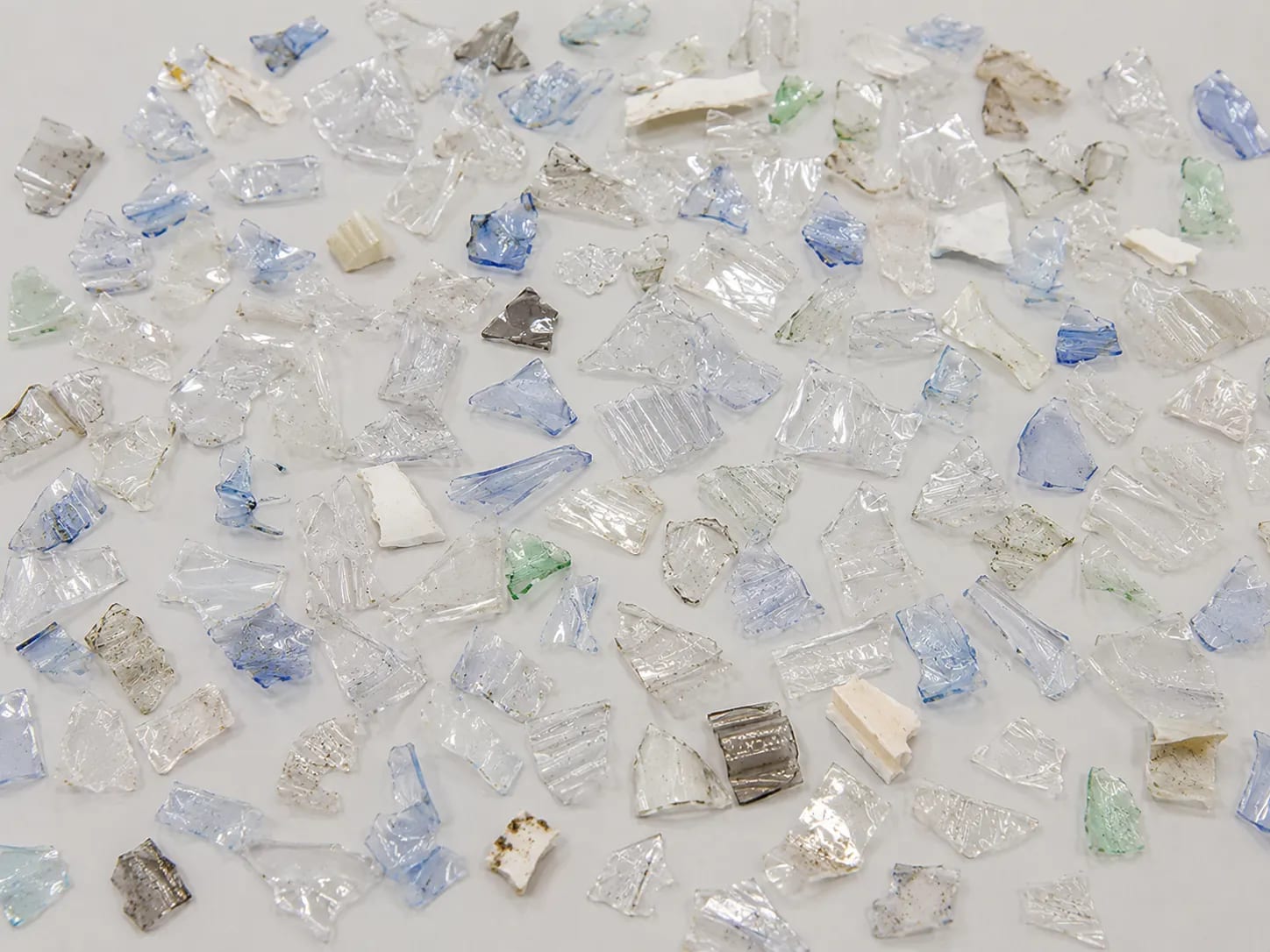
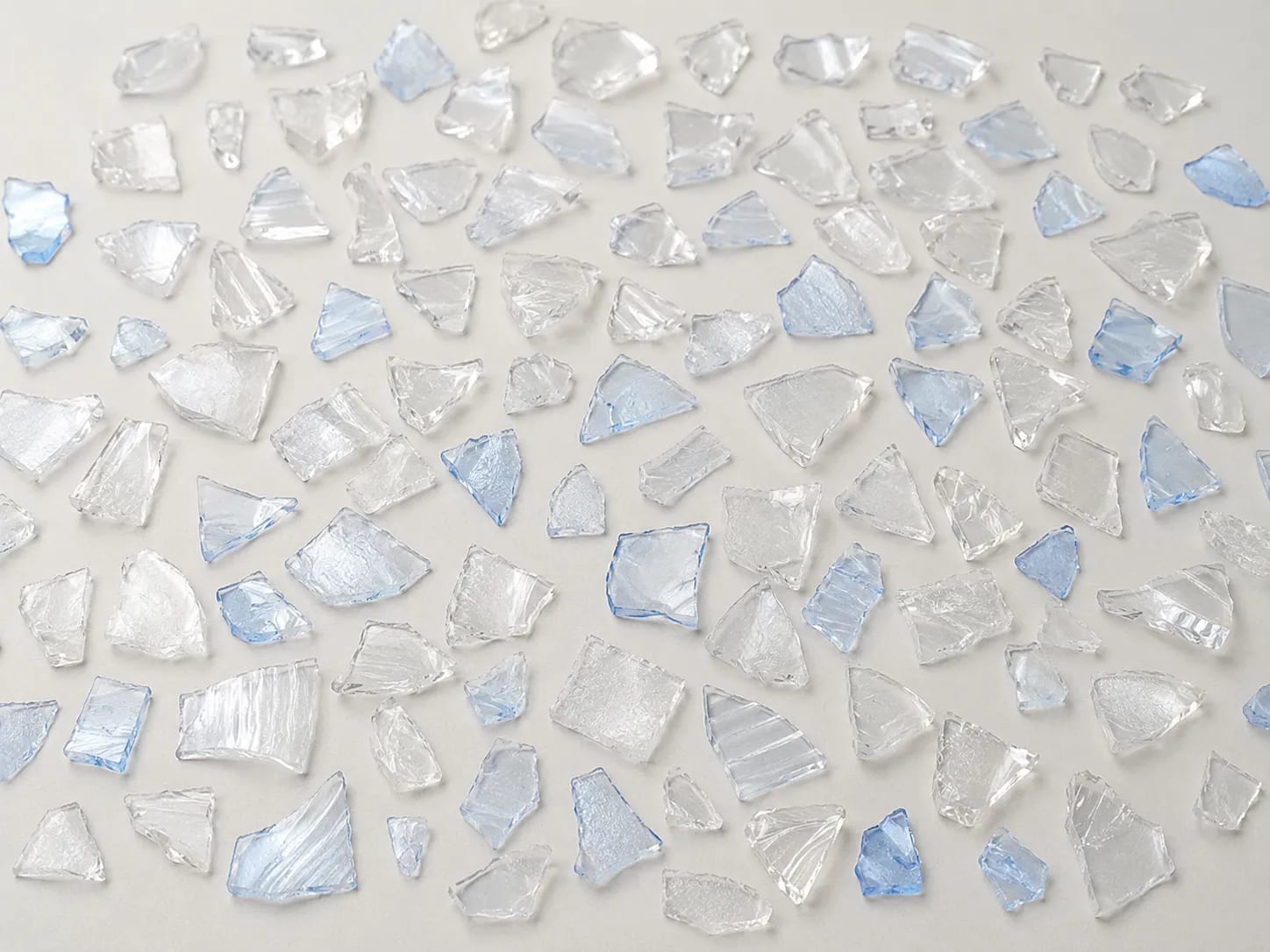
Before Color Sorting
MAS-P removes PVC, PP, PE and other non-PET contaminants from PET flake streams, delivering ultra-pure PET for higher product quality, stable downstream performance and maximum value recovery.
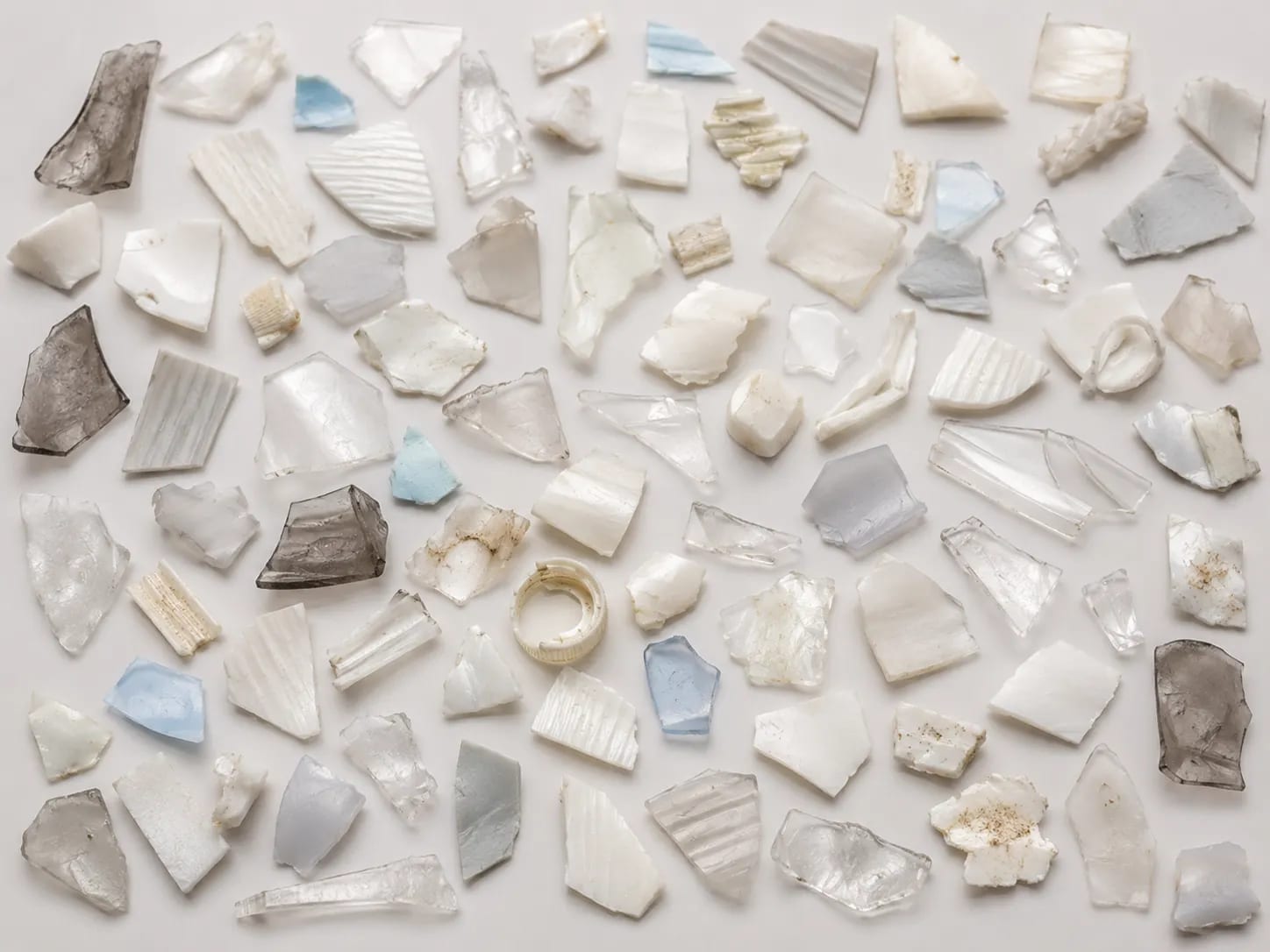
PET Material SortingPVC / PP / PE RemovalHigh-Purity PETBefore Color Sorting
01
Feed
Mixed PET flake stream with possible non-PET contaminants.
02
Identify
High-resolution NIR reads material response and separates PET from confirmed non-PET pieces.
03
Accept / Reject
Contaminants are rejected and pure PET continues to color sorting.
Why MAS-P
Purity that visible color sorting alone can't reach.
MAS-P is the PET material-sorting platform for prepared flakes, where a color-correct flake can still be the wrong polymer.
Material identity, not just color
Targets whether a flake belongs in the PET stream, catching pieces that look right but are the wrong polymer.
Higher PET purity
Removes the selected non-PET pieces so the accepted PET stream can meet a tighter resin specification.
Color and material kept separate
Keeps visible color cleanup and material identity as distinct, staged decisions instead of one blurred step.
Sample-led reject classes
Reject classes are built from your real PET and non-PET examples, not a generic universal material list.
Named contaminant targets
PVC, PE/PP caps, transparent look-alikes and engineering plastics are defined as concrete, testable targets.
Line-ready
Reviewed against your upstream washing and drying and your downstream quality-control needs.
Main applications
Two PET purification jobs, one platform.
MAS-P is positioned by the material target — what must leave the PET stream — not by a vague plastic category.
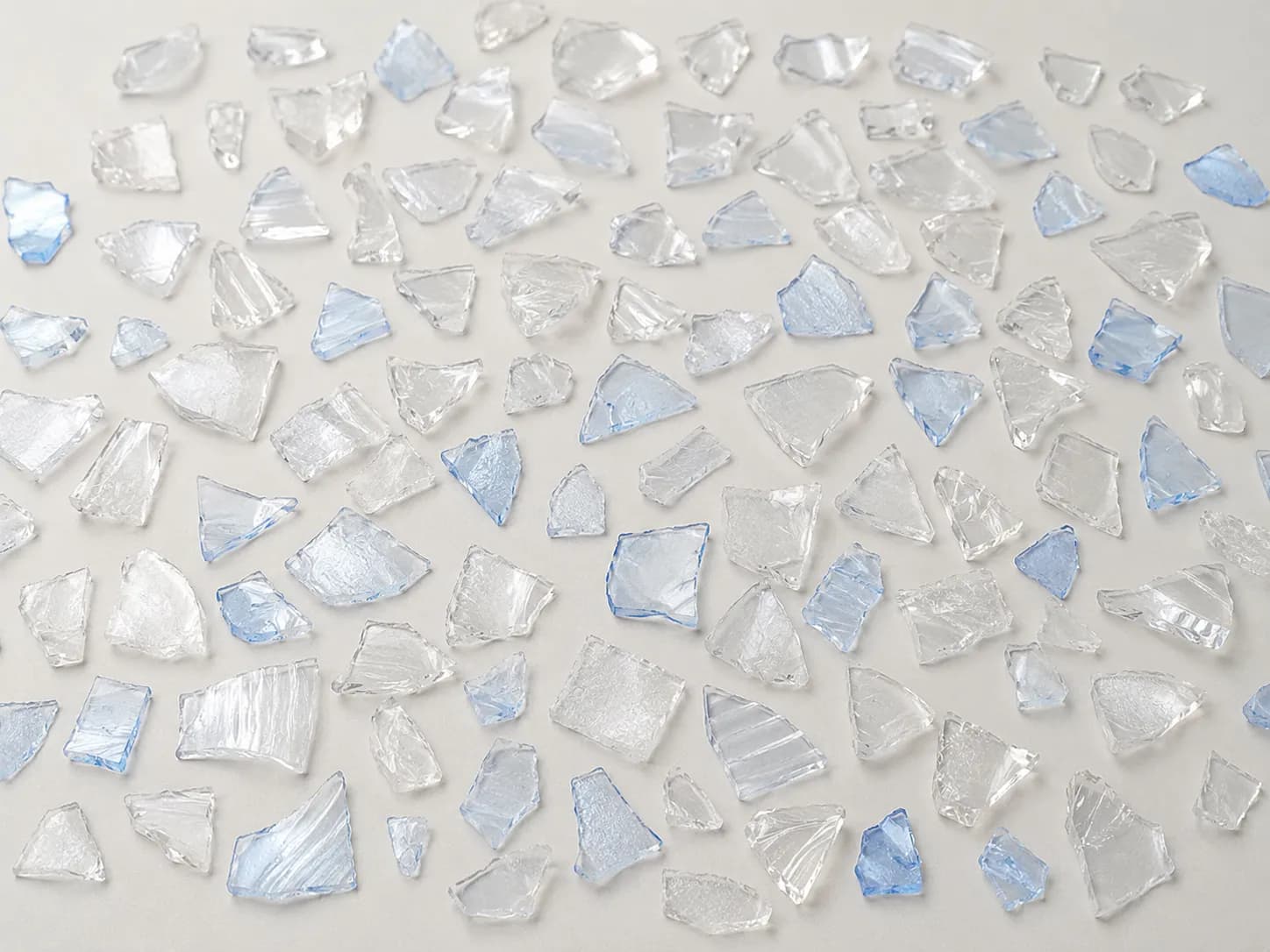
Application 01
PET purification after washing
Take washed, dried PET flakes and remove the selected non-PET pieces — PVC, PVC sheet, PE and PP caps and closures — so the accepted stream meets your resin spec.
PVC / PVC sheetPE / PP capsMixed non-PETAccepted PET
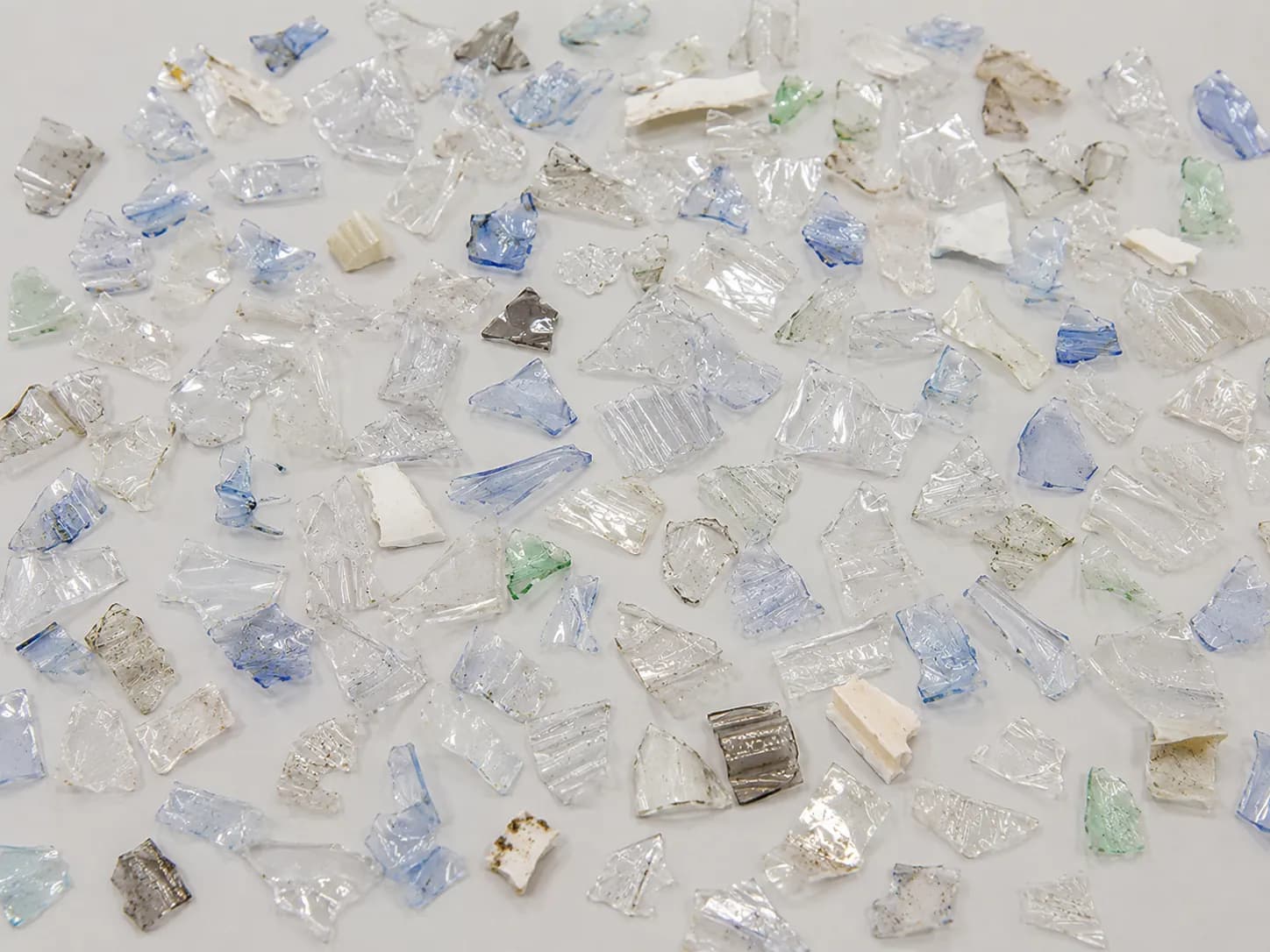
Application 02
Removing look-alike contaminants
Catch the hard cases — transparent non-PET and engineering plastics that pass a color check but are the wrong material — from blue-white and commercial PET feed.
Transparent non-PETEngineering plasticsBlue-white PETBorderline pieces
Sorting scope
What MAS-P can and cannot sort.
MAS-P purifies a PET flake stream — it separates accepted PET from confirmed non-PET reject classes. It does not sort the rejected polymers into individual product streams.
MAS-P removes from PET flakes
- PVC and PVC sheet — the priority look-alike removed from PET
- PE and PP caps and closures
- PS, PMMA / acrylic and PC look-alike pieces
- SAN / AS, PA, POM and other confirmed non-PET reject classes
- Transparent non-PET that passes visible color sorting
- Selected non-plastic contaminants when confirmed by testing
MAS-P is not for
- PP vs PE as separate product streams — use MAS 3D (MAS-P Pro)
- Purifying ABS / PS / PMMA as accepted materials — use MAS 3D (MAS-P Pro)
- Whole bottles before shredding — use MAS-B
- Plastic pellets — chute-type limitation — pellets bounce
- Soft plastic film — air ejection is not suitable
- Black plastic by NIR alone — remove black first with MAS-C, or use MAS-PC
PET + PVC
Can MAS-P remove PVC from PET flakes?
Yes. MAS-P is built for PET flake purification, where clear PVC can look almost identical to PET and pass visible color sorting. MAS-P uses NIR material response to separate the accepted PET range from confirmed PVC-rich and other non-PET reject classes. Even a small fraction of PVC degrades reprocessed PET, so it is the priority removal target.
PET purification stream
PET feed, accepted PET flakes and non-PET rejects.
MAS-P focuses on PET flake material sorting where visible color sorting alone is not enough to define the target quality.
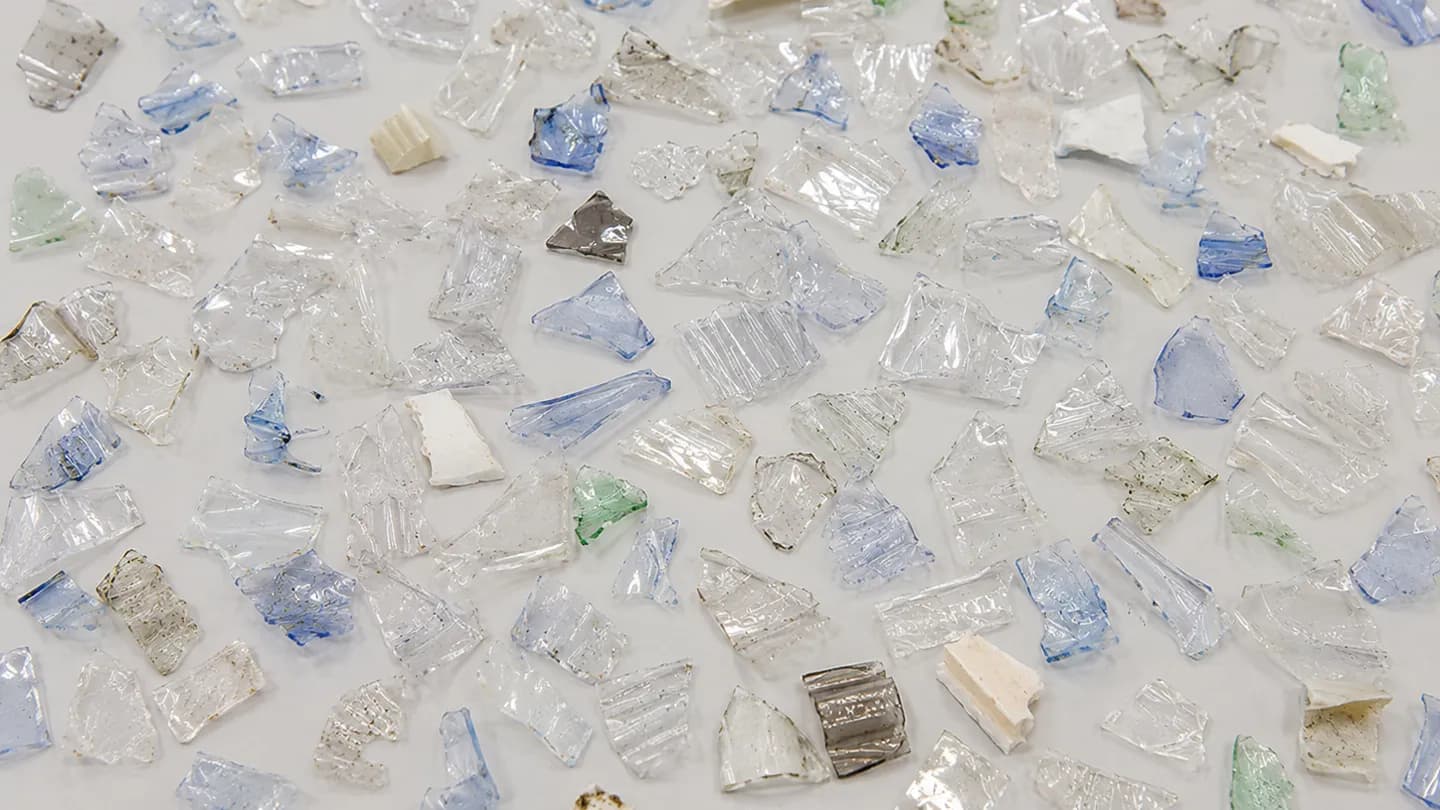
Material separation must be confirmed with representative samples. Do not assume universal polymer detection from generic wording.
Raw materials
PET and the non-PET classes MAS-P removes.
Switch between purification stages and click any class to see exactly what enters and what leaves — the feed, the accepted PET and each named reject class.
PET versus the common non-PET pieces in a washed flake stream.
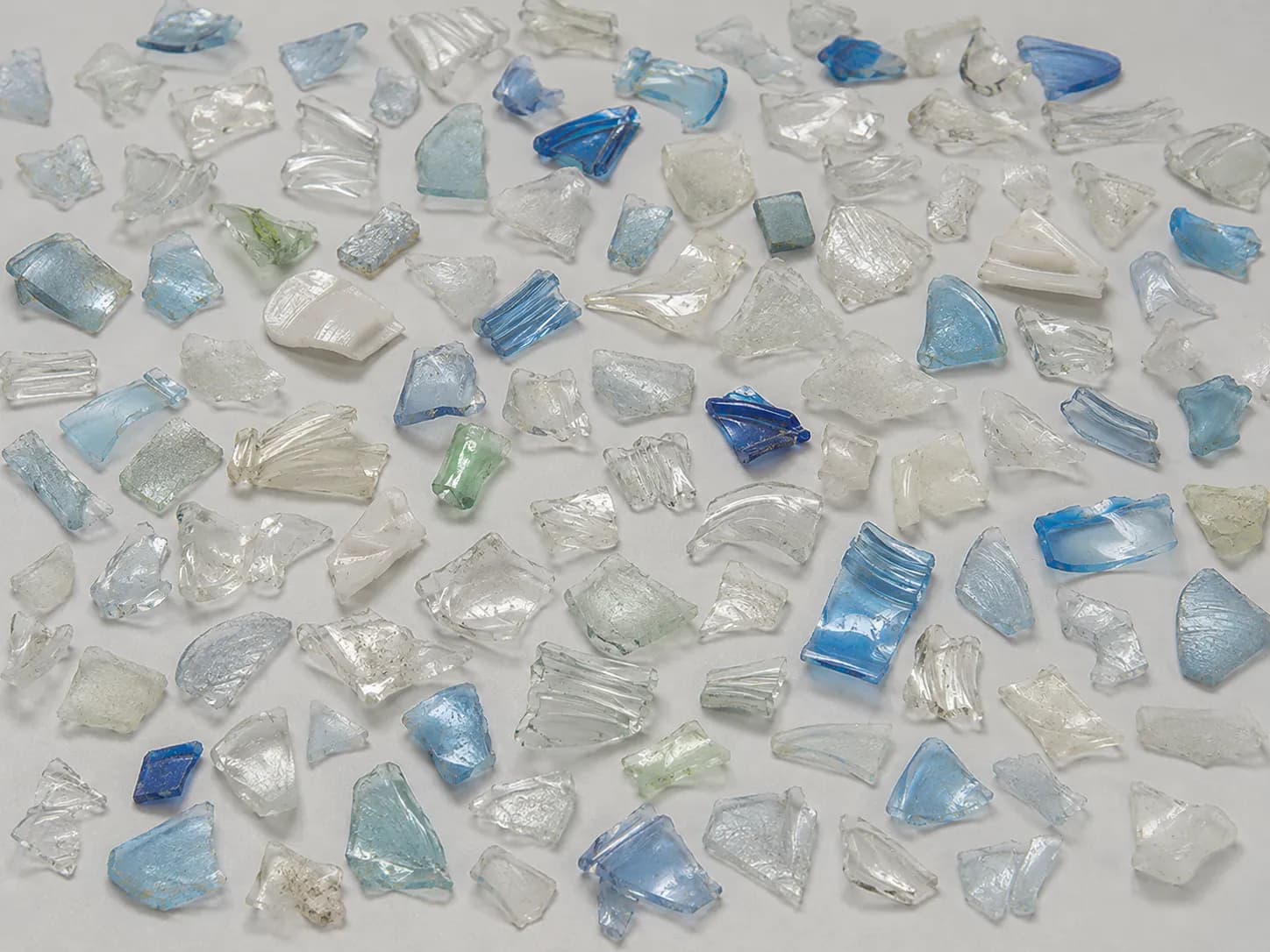
Mixed feed
Washed PET flakes arriving with the everyday non-PET pieces — caps, closures and stray polymers — mixed in.
Accepted and reject classes are always confirmed on your representative samples before a configuration is quoted.
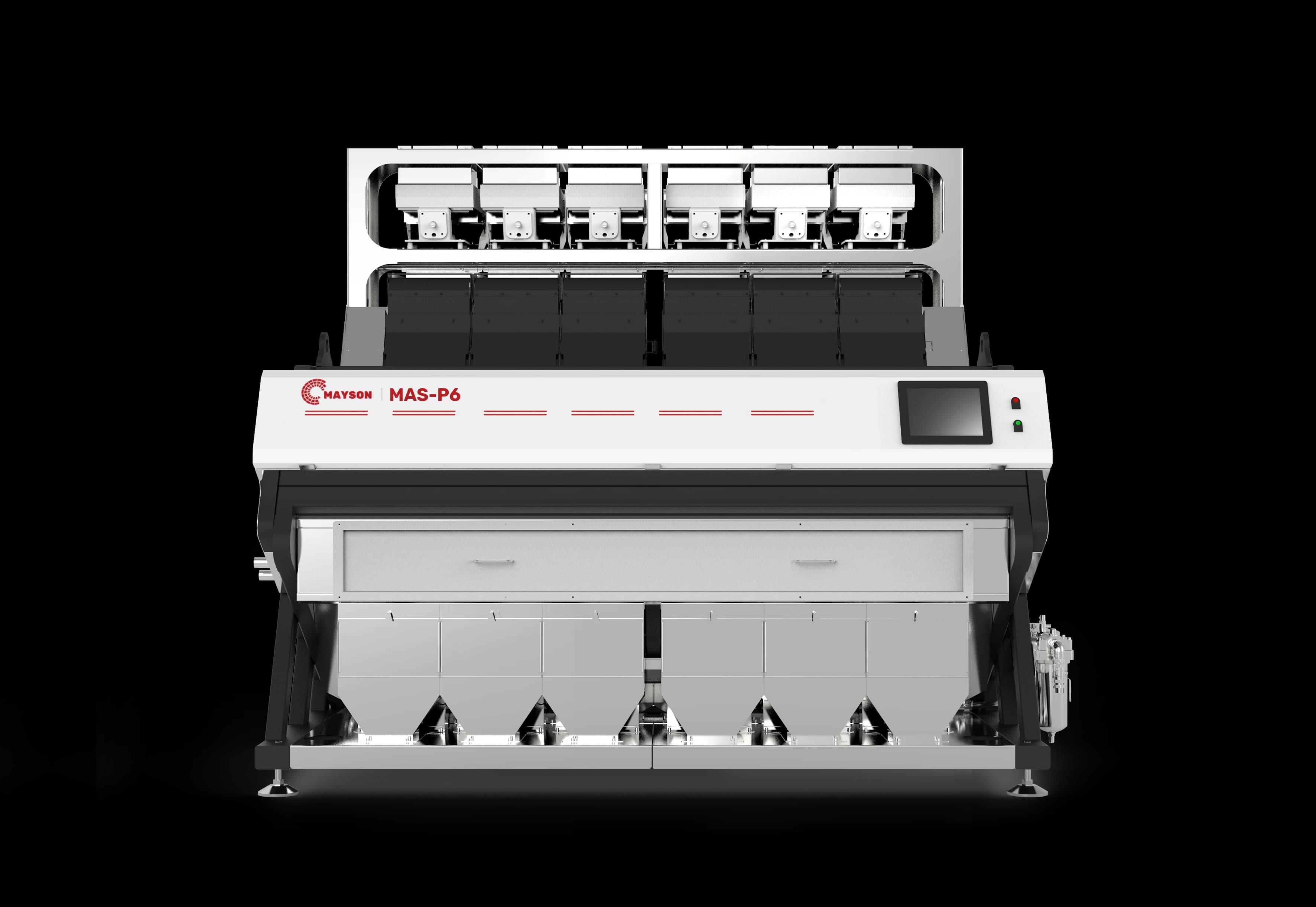
The platform
A PET material-sorting platform, sample-led by design.
Stable flake presentation, material-aware inspection and precisely timed ejection are tuned to the accepted PET and non-PET classes you confirm in testing.
PET-focusedMaterial identity, not color
Post-washAfter flake preparation
Sample-ledReject classes from your stream
ModularChannel widths to suit throughput
How it works
Material sorting starts after flake preparation.
The useful test set includes accepted PET, target rejects, color variation, label residue, dirt and typical particle size.
- 01Customer-prepared
Feed prepared flakes
Washed, dried PET flakes are metered onto the feeder after your preparation line. Moisture, label residue and flake size all affect how cleanly each piece presents.
- 02Stable presentation
Spread & singulate
Flakes are spread into an even, thin layer so each piece is inspected on its own rather than as a clump — the basis for a consistent material decision.
- 03Material inspection
Read material response
Each flake is inspected for material response, not just visible color. This is what separates a PET flake from a look-alike PVC, PE or transparent non-PET piece.
- 04PET vs non-PET
Decide against the sample map
Every flake is matched to your accepted PET range and the named non-PET reject classes confirmed in the sample test — PVC, PE/PP caps, transparent and engineering plastics.
- 05Air ejection
Eject & verify
Off-PET pieces are blown into the reject channel while accepted PET falls through. Both streams are checked against your purity target, with a second pass available for tighter specs.
Compare
MAS-P vs MAS-C vs MAS-PC: which do you need?
MAS-P purifies PET by material; MAS-C sorts by color; MAS-PC does both in one platform. Match your PET flake goal to the right route — confirmed on a representative sample.
| Your PET flake goal | Recommended platform |
|---|---|
| Remove PVC and other non-PET from PET flakes | MAS-P |
| Remove off-color PET flakes only (color) | MAS-C |
| Remove non-PET and off-color flakes in one machine | MAS-PCmaterial + color combination |
| Remove black flakes before NIR material sorting | MAS-Cor MAS-PC |
| Separate PP / PE / ABS material streams | MAS 3DMAS-P Pro / MAS-PC Pro |
| Sort whole bottles before shredding | MAS-B |
When should you choose MAS-PC instead of MAS-P? Choose MAS-P when a PET flake stream mainly needs material purification (PET vs confirmed non-PET). Choose MAS-PC when the same stream also needs visible color cleanup — removing blue, green, amber, yellowed, black or off-color flakes — since MAS-PC combines MAS-P-style NIR material sorting with MAS-C-style color sorting in one platform.
Technical details
MAS-P polymer sorter specifications.
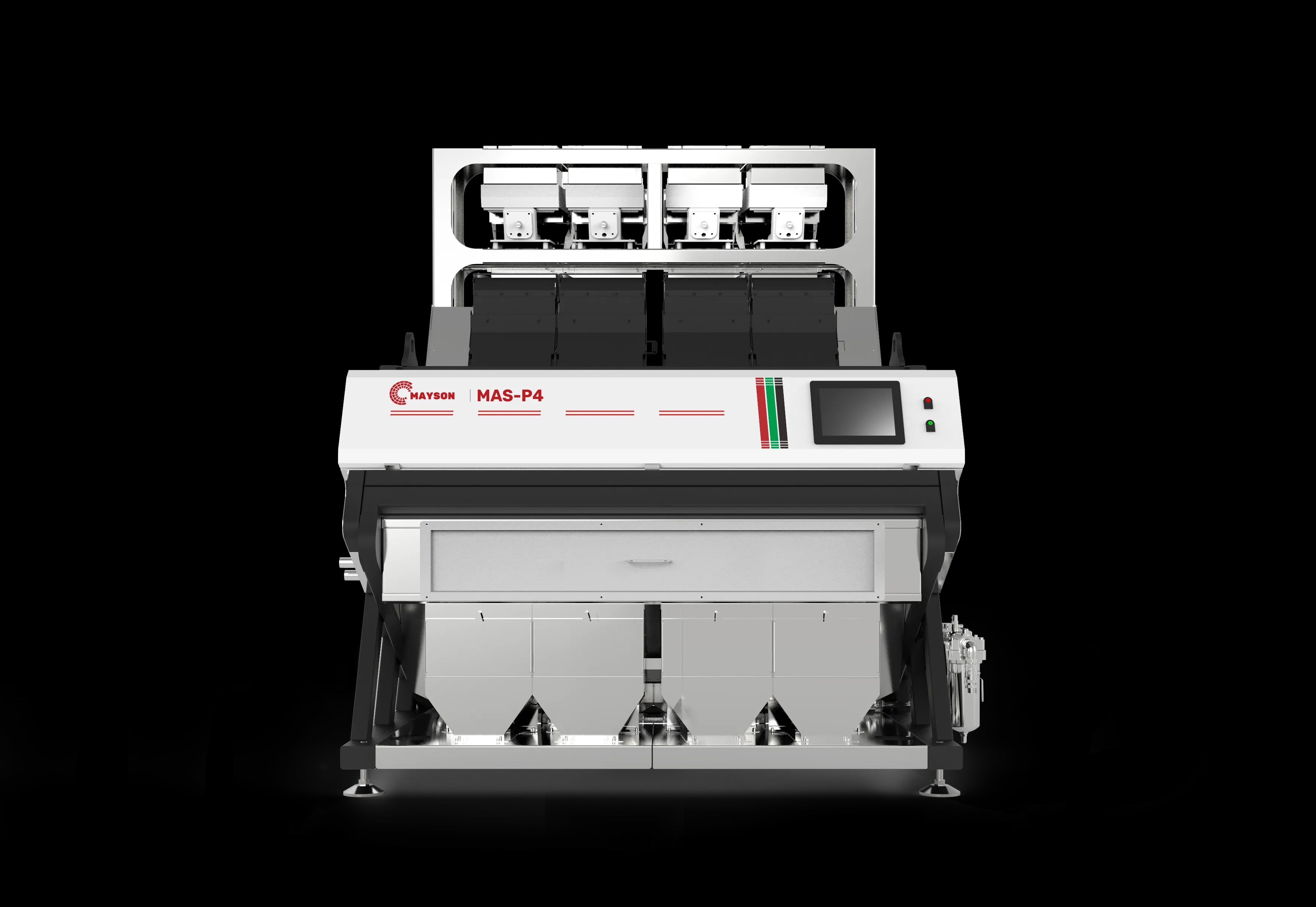
Chute configurations from P3 to P8 cover PET purification lines from compact recovery routes to higher-throughput flake plants.
| Module (channels) | Length (mm) | Width (mm) | Height (mm) | Weight (kg) | Power (kW) | Capacity (T/H) | Air (m3/min) |
|---|---|---|---|---|---|---|---|
| P3 | 2150 | 1928 | 2385 | 1150 | 3.5 | 0.8-1.5 | <2 |
| P4 | 2150 | 1928 | 2585 | 1250 | 3.5 | 1.5-2 | <2 |
| P5 | 2825 | 1928 | 2385 | 1750 | 5.5 | 2-4 | <3 |
| P6 | 2825 | 1928 | 2385 | 2150 | 5.5 | 2.5-4 | <3 |
| P7 | 3518 | 1928 | 2385 | 2250 | 6.5 | 3-5 | <4 |
| P8 | 3518 | 1928 | 2385 | 2350 | 6.5 | 3-6 | <4 |
** Figures may vary based on contaminant rates.
Buyer questions
What buyers ask before specifying a MAS-P.
Straight answers on purity, what counts as non-PET, where MAS-P sits in the line, and how a sample test becomes a configuration.
What does MAS-P remove from PET flakes?
MAS-P identifies PET and ejects non-PET flakes — PVC, PE, PP, PS, PMMA, PC and similar — using NIR material recognition. PVC is the priority target because it looks almost identical to PET but ruins PET recyclate even in tiny amounts.
Why does PVC in PET matter so much?
PVC and PET can be visually indistinguishable, so a color sorter cannot catch it, yet a small fraction of PVC degrades and discolors reprocessed PET. MAS-P's NIR reads the polymer signature to remove PVC that the eye and a color camera miss.
Is MAS-P only a color sorter?
No — the opposite. MAS-P is a material (NIR) sorter for prepared flakes. Its core job is PET purification: identifying PET and ejecting non-PET such as PVC, PE, PP, PS, PMMA and PC.
Can MAS-P separate PP from PE, or purify a non-PET polymer?
No. MAS-P works on a PET-vs-non-PET boundary. To separate non-PET polymers from each other (PP vs PE, PP/PE/ABS mixes) or purify a single non-PET polymer, use MAS 3D (MAS-P Pro) with multi-spectral recognition.
Does MAS-P replace MAS-C?
No — they do different jobs. MAS-C sorts by visible color; MAS-P sorts by polymer type. Many PET lines use both: MAS-C for color and to remove black, MAS-P for material purity.
Is MAS-P for whole bottles?
No. MAS-P works on shredded flakes. Sort whole bottles with MAS-B before they are size-reduced.
Can MAS-P remove PVC from PET flakes?
Yes — it is the priority job. Clear PVC can look almost identical to PET and pass color sorting, so MAS-P uses NIR material response to separate accepted PET from PVC-rich and other non-PET reject classes. Even a little PVC degrades reprocessed PET.
When should I choose MAS-PC instead of MAS-P?
Choose MAS-PC when your PET flake stream needs both material purification and visible color cleanup — removing non-PET plus off-color, yellowed or black flakes. MAS-PC combines MAS-P-style NIR material sorting with MAS-C-style color sorting in one platform.
Does MAS-PC replace MAS-P and MAS-C?
In some PET flake lines, yes — MAS-PC does material and color sorting in one machine. For material only, choose MAS-P; for color only, choose MAS-C. For PP / PE / ABS separation, step up to MAS-PC Pro.
Can MAS-P sort plastic pellets or film?
No. MAS-P is a chute-type sorter for rigid flakes and fragments. Pellets bounce on the chutes and film is too light for air-jet ejection, even after shredding.
Can MAS-P guarantee a fixed purity?
No. Purity depends on your feed — contaminant type and load, flake size and preparation. A representative sample test defines the non-PET reject classes and confirms the realistic PET purity for your stream.
Online preview
Preview your PET flake stream before a machine test.
Use the visual preview to discuss likely accepted PET and non-PET reject streams before sending real flakes.
Preview material onlineReal sample testing
Use your own PET flake stream before finalizing the sorting direction.
A MAS-P project should start from real PET flakes plus the non-PET classes that must be removed from the accepted stream.
Request a MAS-P test